
Why tokenized loyalty programs matter now
Traditional loyalty programs operate like closed ecosystems. Customers earn points that sit in a digital ledger, usable only for specific redemptions within a single brand’s walled garden. This static structure limits the perceived value of rewards and often leads to unclaimed liabilities for the issuing company. The friction of restricted utility means many rewards go unused, fading into irrelevance rather than driving engagement.
Tokenized loyalty programs break down these walls by converting points into fungible digital assets. Instead of treating rewards as non-transferable coupons, brands issue them as tokens on a blockchain. This shift introduces tradability, allowing customers to hold, exchange, or sell their rewards just as they would stocks or cryptocurrencies. The result is a fundamental change in the customer-brand relationship, moving from passive accumulation to active ownership.
The economic implications are significant. When rewards become liquid assets, their utility expands beyond the issuing brand. A customer might trade airline miles for hotel points, sell excess rewards to other users, or hold them as a store of value. This liquidity increases the perceived worth of the loyalty currency, making the program more attractive to consumers and driving higher participation rates.
For brands, this model offers a way to reduce liability on balance sheets while increasing customer lifetime value. By treating rewards as tradeable tokens, companies can create secondary markets that keep users engaged even when they aren’t making direct purchases. The program becomes a dynamic financial instrument rather than a static discount scheme, fostering deeper loyalty through genuine economic participation.
Market trends shaping Web3 customer retention
The hospitality sector is currently leading the charge in adopting tokenized loyalty programs, moving beyond traditional point systems to create more dynamic customer engagement. Research from ScienceDirect indicates that integrating tokenized rewards into hotel loyalty structures significantly increases booking intentions. This shift suggests that when customers perceive their rewards as liquid, tradable assets rather than static points, their commitment to the brand deepens.
A primary driver of this trend is the rise of interoperable rewards. Unlike siloed legacy systems, blockchain-based tokens can often be transferred, traded, or utilized across different platforms and partners. This interoperability transforms loyalty points from a closed-loop marketing tool into a flexible currency, giving customers greater utility and perceived value. As noted in industry analyses, this flexibility is a key differentiator for modern consumers who prefer transparency and control over their digital assets.
The integration of blockchain technology is not limited to hospitality; it is reshaping retention strategies across various traditional sectors. By leveraging smart contracts, businesses can automate reward distribution and ensure immutable record-keeping, reducing fraud and administrative overhead. This technological foundation allows for real-time engagement and personalized incentives that respond instantly to customer behavior.
To visualize the broader market sentiment surrounding these digital asset trends, the following chart tracks the performance of a relevant loyalty-focused crypto asset. While specific token prices fluctuate, the underlying adoption of tokenized retention models continues to grow as enterprises seek more efficient ways to retain customers.
Traditional Points vs. Tokenized Rewards
Legacy loyalty systems and blockchain-based tokenized programs operate on fundamentally different architectural principles. The shift from centralized databases to distributed ledgers changes how value is stored, transferred, and experienced by the customer.
Structural Differences
Traditional loyalty programs rely on siloed databases where points are liabilities on a company’s balance sheet. These points are non-transferable and often expire, creating a "use it or lose it" dynamic that limits customer value. In contrast, tokenized rewards function as digital assets on a blockchain. This introduces tradability, allowing customers to transfer, sell, or swap rewards outside the issuer’s closed ecosystem.
Comparison Overview
The table below highlights the operational distinctions between these two models.
| Feature | Traditional Points | Tokenized Rewards |
|---|---|---|
| Liquidity | Low (fixed redemption) | High (tradable on marketplaces) |
| Interoperability | None (siloed) | High (cross-brand swaps) |
| Transparency | Opaque (company-controlled) | Public (blockchain-verified) |
| Customer Ownership | None (license to use) | Full (wallet-held assets) |
Why It Matters
For retention, tokenized programs offer a more flexible value proposition. Because rewards are held in customer wallets rather than locked in a corporate database, they become part of the user’s broader digital asset portfolio. This shift from a closed-loop system to an open, interoperable network is the core driver of modern loyalty innovation.
Why tokenized loyalty programs matter
Tokenized loyalty programs shift the relationship between brand and consumer from a closed loop to an open economy. For brands, the primary advantage is increased engagement and a new revenue stream through secondary market activity. For consumers, the benefit is true ownership and flexibility, turning static points into liquid assets.
Benefits for brands
The shift to tokenization allows brands to capture value beyond the initial transaction. When points become tradeable tokens, the brand’s ecosystem gains liquidity. This creates a secondary market where points change hands, often for a fee or through platform interactions that generate revenue for the issuer.
Increased engagement follows naturally. Because consumers now hold an asset with potential external value, they are more motivated to interact with the brand to earn or trade. This aligns customer behavior with company valuation goals, as noted in research on tokenized rewards, which shows that offering tokenized incentives increases booking intentions and long-term loyalty.
Benefits for consumers
Consumers gain true ownership of their rewards. Unlike traditional points, which are often non-transferable and subject to expiration or devaluation, tokens can be held, traded, or sold. This flexibility allows members to realize value on their own terms, whether by redeeming for experiences or converting points into other currencies.
This alignment of value creation between the member and the company fosters a deeper sense of partnership. When consumers feel they own their rewards, trust increases, and the perceived fairness of the program improves. The result is a more resilient loyalty base that responds to market signals rather than arbitrary point structures.
Implementation roadmap for 2026
Launching a tokenized loyalty program requires moving beyond simple point accumulation to building a functional digital asset. The transition involves defining the token's economic role, selecting the right blockchain infrastructure, and ensuring a frictionless user experience. This roadmap outlines the essential steps to deploy a compliant and engaging system.
Before writing code, determine what the token represents. Will it serve as a discount mechanism, a governance right, or a tradable asset? Define the issuance rate, burn mechanisms, and redemption value. Clear utility prevents the token from becoming a speculative liability rather than a retention tool.
Select a network that balances transaction speed, cost, and regulatory compliance. Ethereum offers deep liquidity but high fees, while Layer 2 solutions or dedicated loyalty chains provide scalability. Ensure the infrastructure supports your required token standard (e.g., ERC-20 or ERC-1155) and allows for necessary compliance checks like KYC/AML if secondary trading is permitted.
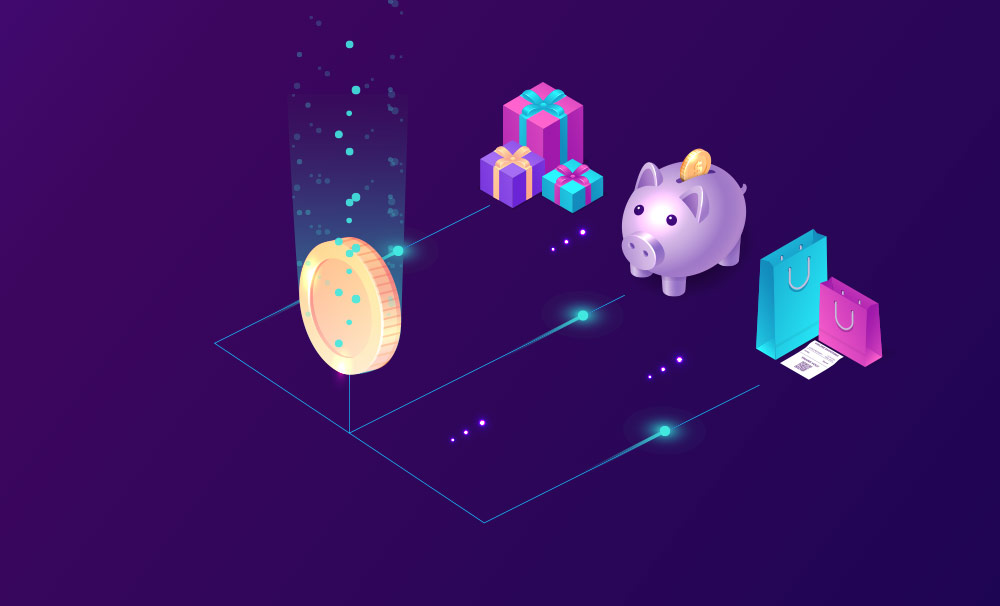
Friction is the primary barrier to adoption. Implement account abstraction or smart wallet technology so users can join without managing private keys initially. Allow seamless bridging from existing app accounts to on-chain wallets. The goal is to make the blockchain invisible to the average customer while retaining the benefits of token ownership.
Decide if users can trade, gift, or sell their loyalty tokens. If secondary markets are enabled, integrate with compliant exchanges or create a controlled internal marketplace. Implement transfer restrictions to prevent fraud and ensure adherence to local securities laws. This step often requires legal review to avoid regulatory pitfalls.
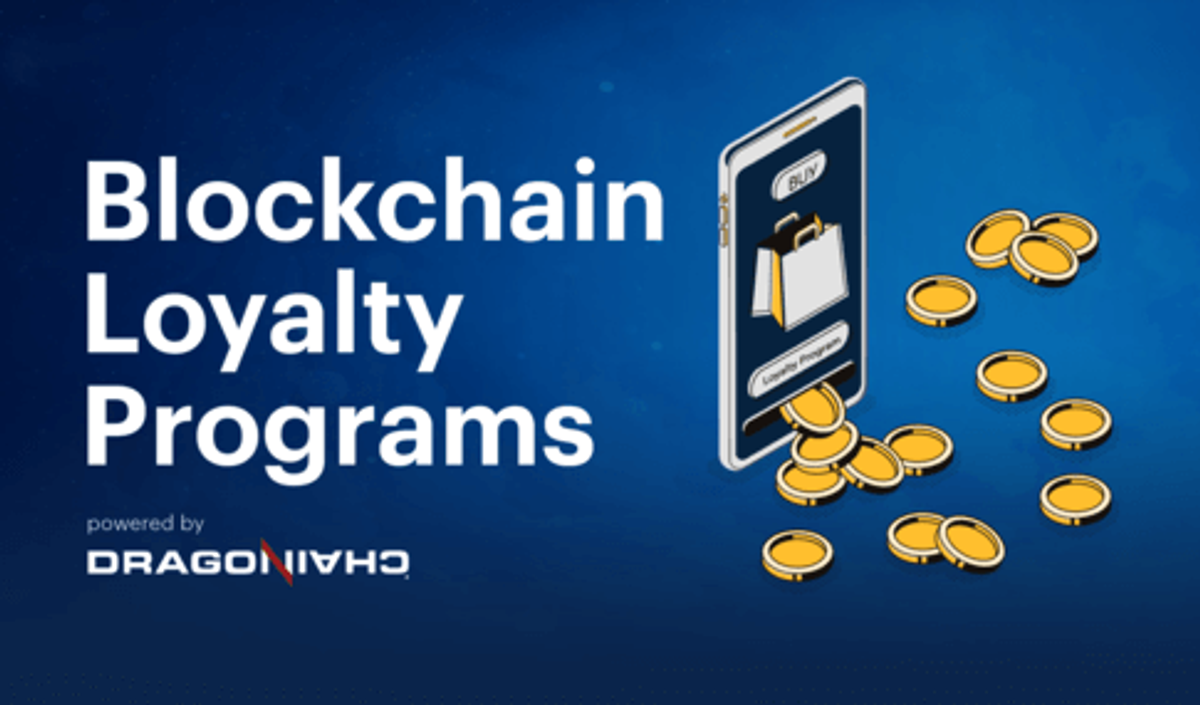
Start with a beta group to test redemption flows and wallet interactions. Monitor gas costs, user drop-off points, and redemption rates. Use this data to refine the tokenomics and user interface before a full public rollout. Continuous iteration ensures the program remains relevant and valuable to participants.
Implementing a tokenized loyalty program is a technical and strategic undertaking. By following these steps, businesses can create a robust retention mechanism that offers genuine value to customers while maintaining operational control.
No comments yet. Be the first to share your thoughts!