
The 2026 loyalty landscape shift
Traditional points-based loyalty programs are facing a structural crisis. As consumer expectations evolve, the static, siloed nature of legacy reward systems is becoming a liability rather than an asset. Customers increasingly demand liquidity and utility, yet most programs trap value within single-brand ecosystems, leading to low engagement and high redemption costs for issuers. This friction has created a clear opening for tokenized loyalty programs, which reframe rewards as interoperable digital assets.
Tokenization addresses these inefficiencies by leveraging blockchain infrastructure to create transparent, tradable reward units. Unlike traditional databases that operate as closed ledgers, tokenized systems enable cross-platform interoperability. This allows customers to exchange, pool, or utilize rewards across different merchants and services, effectively turning dormant points into liquid capital. The shift is not merely technological but fundamental: it changes the reward from a restricted coupon to a user-owned asset.
The transition carries significant implications for risk and compliance. As rewards become financial instruments, issuers must navigate evolving regulatory frameworks surrounding digital assets and data privacy. The move toward tokenization requires robust infrastructure to ensure security and auditability, distinguishing it from speculative crypto trends. Early adopters are integrating these systems not just for marketing, but to build sustainable, asset-backed customer relationships that align with the financial realities of 2026.
How tokenized rewards change retention math
Traditional loyalty programs operate as closed-loop systems where points function as internal accounting entries rather than transferable assets. This structure creates significant friction: customers cannot trade, sell, or combine rewards with other programs, effectively locking capital into a single brand. Tokenized rewards dismantle this barrier by converting points into blockchain-based assets with real-world liquidity.
Smart contracts automate the settlement process, replacing batch-processed ledgers with real-time transaction verification. This immediacy reduces administrative overhead and eliminates the reconciliation delays that often dilute customer trust. The transparency of on-chain records allows for granular tracking of reward utility, providing brands with precise data on redemption behaviors without compromising individual privacy through centralized databases.
The economic value of these assets shifts from static accumulation to dynamic exchange. When rewards are tokenized, they gain utility beyond the issuing brand, enabling interoperability across ecosystems. This liquidity increases the perceived value of the reward to the consumer, directly influencing retention rates and booking intentions, as noted in research published in ScienceDirect.
Comparison: Traditional Points vs. Tokenized Rewards
| Feature | Traditional Points | Tokenized Rewards |
|---|---|---|
| Liquidity | Locked to issuer; non-transferable | Tradeable on secondary markets |
| Settlement | Batch-processed; delayed | Real-time via smart contracts |
| Interoperability | Closed ecosystem | Cross-brand and cross-platform |
| Expiration | Complex forfeiture rules | Programmable, transparent lifecycle |
| Data Privacy | Centralized tracking | On-chain anonymity (where applicable) |
Recommended Tools for Loyalty Integration
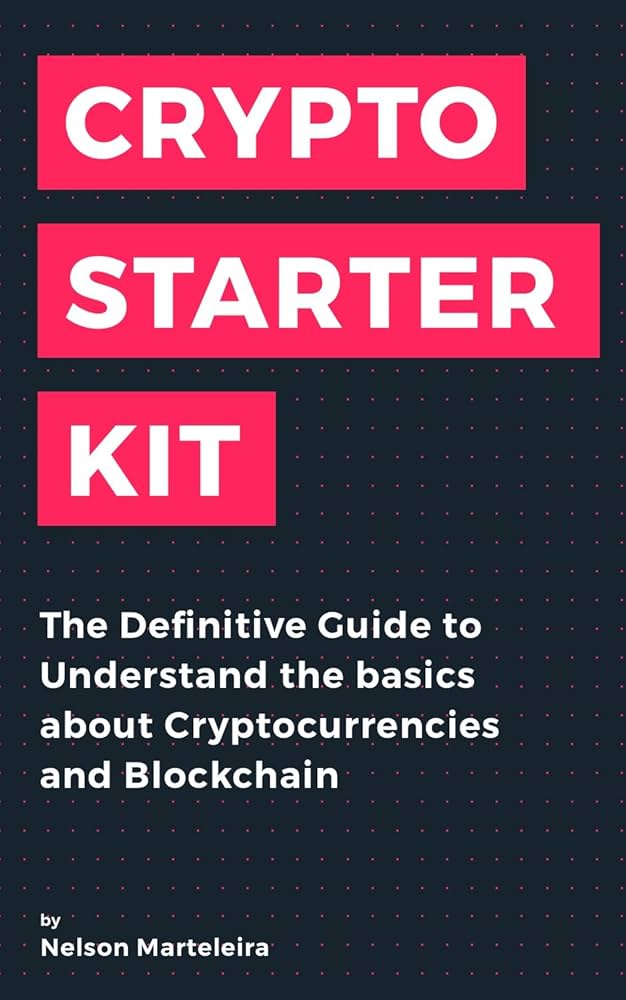
For teams evaluating the technical infrastructure required to launch tokenized loyalty programs, the following tools support blockchain integration and asset management:


As an Amazon Associate, we may earn from qualifying purchases.
Key drivers for 2026 adoption
The transition from static points to tokenized assets is no longer speculative; it is being forced by three converging market forces. Regulatory clarity, AI-driven personalization, and consumer demand for asset ownership have created a structural imperative for brands to rethink loyalty mechanics. Programs that cling to legacy points systems are facing diminishing returns, while tokenized models offer liquidity and interoperability that traditional frameworks cannot match.
Regulatory clarity and compliance
The primary catalyst for 2026 adoption is the maturation of regulatory frameworks governing digital assets. Unlike the speculative volatility of 2021-2023, current guidelines from bodies like the SEC and EU regulators provide clearer boundaries for security tokens and utility tokens. This clarity reduces compliance risk, allowing financial institutions and major retailers to integrate tokenized rewards into their core balance sheets without fearing sudden enforcement actions. The shift is from "move fast and break things" to "move fast and comply," turning regulatory adherence into a competitive moat.
AI-driven dynamic valuation
Tokenized loyalty programs leverage artificial intelligence to adjust token value in real-time based on user behavior and market conditions. This dynamic pricing model transforms rewards from static liabilities into active financial instruments. Brands can now incentivize specific behaviors—such as off-peak purchases or high-margin product trials—by temporarily boosting token yield. This precision marketing, powered by AI, ensures that loyalty spend directly correlates with profitable customer lifetime value.
Consumer demand for ownership
Consumers are increasingly rejecting the "walled garden" model of traditional points. They demand ownership, transferability, and the ability to trade or sell their rewards. Tokenized loyalty programs satisfy this demand by issuing rewards as digital assets on public or permissioned blockchains. This ownership model creates a secondary market for rewards, increasing perceived value and engagement. When customers can see their loyalty points as tradable assets, retention rates improve significantly as the cost of switching brands increases.

Implementation risks and compliance
Transitioning from legacy points to tokenized assets introduces structural friction that most legacy CRM systems are not built to handle. The core challenge is not merely technical integration but the regulatory ambiguity surrounding digital assets. When a reward point becomes a transferable token, it often triggers securities laws, tax reporting requirements, and anti-money laundering (AML) obligations that traditional loyalty frameworks ignore.
Regulatory bodies are increasingly scrutinizing tokenized rewards for their potential to facilitate illicit finance. A tokenized loyalty program must embed Know Your Customer (KYC) and AML checks directly into the token lifecycle, not just at the point of redemption. Failure to do so exposes brands to significant legal liability. As noted in recent industry analyses, programs that fail to align with evolving compliance standards risk being shut down or forced to restructure their tokenomics entirely [src-serp-5].
Technical integration presents a parallel set of risks. Legacy Customer Relationship Management (CRM) platforms are designed for centralized, relational data, whereas blockchain operates on distributed, immutable ledgers. Bridging these two systems requires robust middleware that can handle real-time data synchronization without creating latency or data silos. A single point of failure in this bridge can disrupt reward issuance, leading to customer trust erosion and operational downtime.
The following checklist outlines the critical compliance and technical controls required to mitigate these risks during implementation:
- Smart Contract Audits: Engage third-party auditors to verify token logic and prevent exploits before mainnet deployment.
- KYC/AML Integration: Embed identity verification protocols at the wallet connection stage to ensure regulatory compliance.
- Tax Reporting Automation: Implement tools that automatically calculate and report tax implications for both the brand and the user upon redemption or transfer.
- Legacy System API Security: Secure the middleware connecting blockchain nodes to CRM databases with strict authentication and encryption standards.
What to expect in loyalty trends 2026
Loyalty programs are under growing pressure to prove their impact, shifting from traditional points-based systems toward hyper-personalization and real-time rewards. This transition reflects a broader structural change where tokenized digital assets replace static databases, allowing brands to offer dynamic, data-driven incentives that respond immediately to consumer behavior.
The trajectory points toward tighter integration of smart contracts and regulatory compliance. As programs move away from siloed points, they must navigate complex data privacy frameworks while delivering tangible value. This shift demands rigorous audit trails and transparent governance, ensuring that the increased efficiency of tokenized rewards does not come at the cost of consumer trust or regulatory adherence.
No comments yet. Be the first to share your thoughts!