
Set clear program goals
Before writing a single line of smart contract code, you need to define why your brand is moving to blockchain. The most common failure in tokenized loyalty programs is building a solution looking for a problem. If your primary goal is speculation or token price appreciation, you are building a financial instrument, not a loyalty program. This section focuses on the two utility-driven goals that actually drive retention: customer data ownership and seamless reward redemption.
Prioritize retention over speculation
Customers join loyalty programs for rewards, not crypto trading. Your tokenized program should be designed to increase the lifetime value of your most engaged customers. According to industry analysis, blockchain-backed tokenized rewards empower brands to boost customer satisfaction by making points feel like valuable, ownable assets rather than forgotten balances.
Secure data ownership
Traditional loyalty programs often lock customer data in siloed databases, making it difficult to personalize offers across partners. A tokenized approach shifts the paradigm by giving customers control over their data. By allowing users to connect their wallets and consent to data sharing, you can offer hyper-personalized rewards in exchange for insights. This transparency builds trust and aligns with the 2026 trend toward real-time, personalized experiences that traditional points-based systems struggle to deliver.
Define redemption pathways
Your goals must include clear redemption mechanics. Will tokens be redeemable for physical products, exclusive digital content, or partner services? Ambiguity here kills engagement. Map out the user journey from earning to spending. If the redemption process is complex or the value proposition is unclear, customers will abandon the program. Keep the utility simple: earn tokens for desired actions, spend them on desired rewards.
Choose the right blockchain
Selecting the underlying ledger dictates your program’s unit economics and user experience. For tokenized loyalty, transaction costs determine whether small rewards remain profitable, while onboarding friction determines whether customers actually claim them. Layer 1 chains like Ethereum offer deep security but often carry gas fees that make micro-rewards uneconomical. Layer 2 networks and alternative high-throughput chains like Solana provide the speed and low cost necessary for mass-market adoption.
The following comparison highlights how these networks perform against loyalty-specific metrics. Layer 2 solutions typically inherit Ethereum’s security model while reducing fees by 90% or more. Solana offers native low fees and high throughput, though its security model differs from Ethereum’s proof-of-stake heritage.
| Network | Avg. Tx Cost | Throughput | Onboarding Friction |
|---|---|---|---|
| Ethereum L1 | $1–$10+ | ~15 | High (wallet setup) |
| Arbitrum (L2) | <$0.01 | ~40,000 | Medium (bridge) |
| Solana | <$0.001 | ~65,000 | Medium (key management) |
For most loyalty programs, Layer 2 solutions like Arbitrum or Optimism provide the best balance. They allow you to issue rewards at near-zero cost while maintaining the security guarantees of Ethereum. If your program requires instant, high-frequency transactions—such as point-earning on every scan—Solana’s architecture may be preferable despite its different security assumptions. Avoid Ethereum L1 for routine reward issuance; the fees will erode your margins quickly.
Design the token utility
A tokenized loyalty program fails if the tokens are just digital points with no exit strategy. You must structure the utility so customers see real value beyond a simple discount code. The core difference between traditional programs and tokenized systems is tradability. Allowing members to transfer, sell, or swap their rewards turns static points into liquid assets.
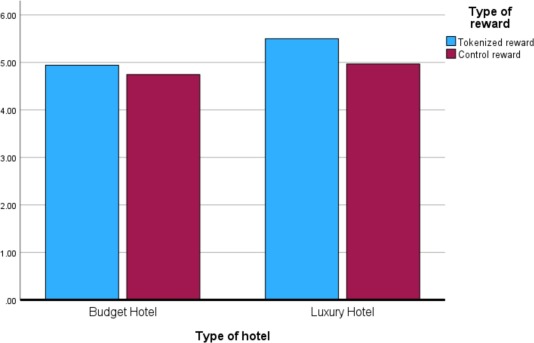
Start by defining the redemption layer. Tokens should cover immediate, tangible benefits like product discounts, exclusive access, or service upgrades. This anchors the token in everyday value. Next, enable a secondary market. If users can trade tokens with other members or sell them on a compliant exchange, the perceived value rises. Research confirms that offering tokenized rewards increases booking intentions and engagement because customers feel they own something with market weight [src-serp-7].
However, you must navigate securities laws carefully. If your token promises profit based on the efforts of others, it may be classified as a security. To avoid this, keep the utility focused on consumption rather than investment. Structure the token as a utility asset that grants access to services, not a share in the company’s revenue. This distinction protects your program from regulatory crackdowns while still offering the liquidity that drives adoption [src-serp-1].

Build the user onboarding flow
The biggest barrier to tokenized loyalty is friction. Most consumers do not have a crypto wallet, nor do they want to manage seed phrases. To scale a tokenized program, you must abstract the blockchain away from the user interface. This section details how to build an onboarding flow that feels like a standard app signup but creates a secure, custodial wallet in the background.

Start by integrating a Web3 authentication provider such as Coinbase Wallet SDK, Magic, or Web3Auth. These tools allow users to sign in using familiar methods like Google, Apple, or email magic links. The provider handles the complex cryptographic signing behind the scenes. For the user, this looks exactly like a standard SaaS login, removing the intimidation factor of private keys entirely.
Once the user authenticates, your backend must instantly generate a corresponding ERC-20 compatible wallet address. Use a smart account or a custodial solution where your platform holds the private keys. This step is invisible to the user. They do not need to see a 12-word recovery phrase or approve a MetaMask popup. The system maps their user profile to this new blockchain identity securely.
After the wallet is created, mint a small amount of your loyalty token to the new address as a welcome bonus. This confirms the wallet is active and functional. Simultaneously, trigger a lightweight KYC (Know Your Customer) check if your tokens have financial value or are tradable. For simple points-based tokens, you may skip heavy KYC, but ensure you have a mechanism to blacklist addresses if fraud is detected.
The final step is to display the user’s token balance and transaction history in your app or website. Use an indexer like The Graph or Alchemy to fetch real-time on-chain data. This creates a seamless loop where the user sees their rewards update instantly after earning them. The blockchain is now just the ledger; the user experience remains entirely centralized and intuitive.
By hiding the crypto infrastructure, you allow non-technical users to participate in tokenized loyalty programs without friction. This approach is essential for moving beyond early adopters and capturing the mainstream market.
Launch and manage supply
Your tokenized loyalty program is ready for the public, but the rollout requires strict operational discipline. A successful launch hinges on verifying your infrastructure and controlling the token economics from day one. If the supply mechanics are flawed, user trust evaporates instantly.
Begin by ensuring your smart contracts have undergone an independent audit. Unverified code is a liability, not a feature. Simultaneously, configure your inflation controls. Set clear minting caps and redemption rates to prevent devaluation. Without these safeguards, your loyalty currency risks becoming worthless before it gains traction.
Run a final end-to-end test of the user journey. Verify that points mint correctly upon purchase and burn seamlessly at checkout. Only after these checks are complete should you open the program to users.
-
Complete independent smart contract audit
-
Configure minting caps and inflation controls
-
Define fixed redemption rates
-
Test end-to-end user journey
Common questions about web3 rewards
Loyalty programs in 2026 are shifting from static points to dynamic, hyper-personalized token ecosystems. To succeed, brands must balance real-time reward delivery with strict regulatory compliance, particularly around how tokens are issued and traded.
No comments yet. Be the first to share your thoughts!