
The 2026 loyalty landscape
Traditional points systems are losing their grip on consumer attention. Shoppers no longer find value in hoarding credits that sit dormant in isolated silos, unable to be transferred, sold, or used outside a single brand’s ecosystem. As we move through 2026, the industry is hitting an inflection point where legacy models are simply too rigid to compete with the flexibility and transparency that tokenized assets provide.
The shift is not just theoretical; it is happening across the largest retailers in the world. According to a 2026 market assessment by Dataintelo, approximately 78% of Fortune 500 companies with existing loyalty programs are either piloting or actively evaluating blockchain-based tokenization. This widespread adoption signals a structural change in how customer value is defined and managed.
The core driver is the demand for liquidity. In a tokenized model, loyalty points function more like digital currency. They can be traded, swapped for other rewards, or even sold on secondary markets. This liquidity transforms loyalty from a marketing cost center into a dynamic asset class that retailers can manage more efficiently, while customers gain genuine ownership over their rewards.
This transition is forcing a re-evaluation of loyalty metrics. The focus is shifting from simple point accrual rates to the actual velocity and utility of rewards. Brands that fail to offer this level of flexibility risk becoming irrelevant, as consumers increasingly expect their loyalty rewards to have tangible, transferable value.
Tradability changes the value equation
The defining difference between a tokenized loyalty program and a traditional points system is tradability. In conventional programs, points are locked within a single brand's ecosystem. They function as a closed currency, useful only for purchasing specific goods or services from that issuer. Once issued, the value is static and the user has no control over its movement.
Tokenization introduces liquidity. By converting loyalty points into digital assets on a blockchain, brands allow customers to trade, sell, or transfer their rewards. This transforms points from a passive savings mechanism into an active asset class. Customers can sell unused points to other users who value them more, or trade them for cryptocurrencies and other digital goods. This market-driven pricing model ensures that points retain a real-world monetary value, rather than depreciating through inflation or expiration.
This shift fundamentally alters the customer's perception of value. When rewards have a secondary market, they cease to be "free" perks and become tangible wealth. Research indicates that this perceived asset value significantly increases booking intentions and engagement. A ScienceDirect study on tokenized rewards in the hospitality sector found that offering tradable tokens boosts customer intent to book, as users feel they are acquiring a liquid asset rather than a limited-use coupon.
The ability to trade creates a more dynamic loyalty loop. Customers are more likely to engage with a brand if they know their efforts can be converted into cash or other desired assets. This flexibility addresses the primary failure point of traditional programs: unused points. By allowing users to liquidate their rewards, brands reduce the liability of expired points while increasing the perceived utility of the program. The result is a loyalty system that feels less like a marketing gimmick and more like a financial benefit.
Enterprise infrastructure and smart contracts
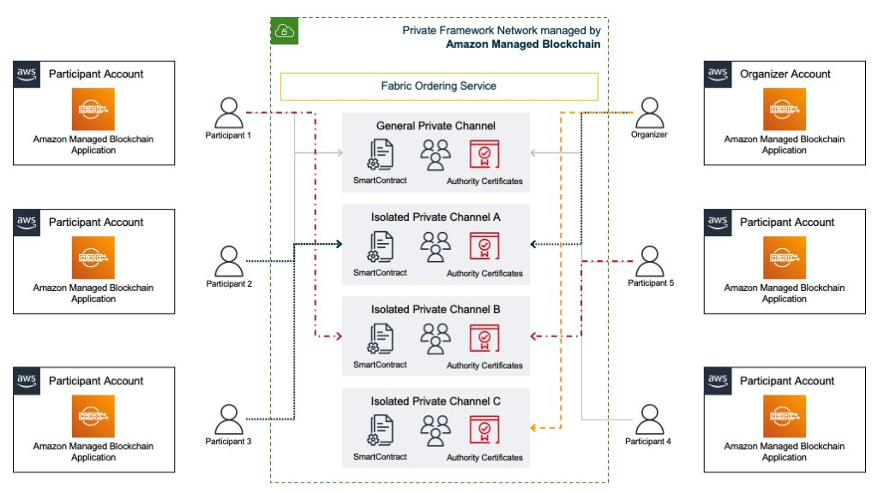
By 2026, enterprise adoption of tokenized loyalty programs relies on infrastructure that replaces fragmented, siloed databases with interoperable tokenized assets. Traditional points systems are static and isolated, but tokenization transforms rewards into real-time, transferable digital assets governed by smart contracts [[src-serp-2]]. This shift requires robust backend infrastructure to handle high-volume transactions securely while maintaining compliance with evolving regulatory standards.
Enterprise-grade blockchain solutions provide the necessary scalability and security for large retailers. These systems leverage private or permissioned ledgers to ensure transaction privacy while allowing controlled interoperability between different loyalty ecosystems. Smart contracts automate reward issuance, redemption, and transfer, reducing operational costs and eliminating the need for manual reconciliation across disparate platforms [[src-serp-5]].
Interoperability is the core challenge and opportunity. Retailers are moving toward standards that allow tokens to move across brands and platforms, creating extended loyalty ecosystems. This connectivity increases the perceived value of rewards for consumers, driving higher engagement and retention rates. The infrastructure must support seamless cross-chain or cross-platform communication without compromising security or user experience.
| Feature | Traditional Loyalty | Tokenized Loyalty |
|---|---|---|
| Asset Type | Centralized Points | Tokenized Digital Assets |
| Transferability | None or Brand-Limited | Interoperable & Transferable |
| Real-Time Processing | Batch or Delayed | Instant & Real-Time |
| Ecosystem Scope | Siloed | Extended & Connected |
The transition demands significant investment in technical infrastructure, but the long-term benefits in customer lifetime value and operational efficiency are driving widespread enterprise adoption. As loyalty programs evolve from simple transaction trackers to dynamic financial instruments, the underlying blockchain infrastructure becomes the critical foundation for trust and utility.
Luxury and hospitality pilots
High-value sectors are treating tokenized loyalty not as a gimmick, but as a core infrastructure upgrade. Unlike mass-market retail, where points are often fungible and low-stakes, luxury brands are experimenting with tokenization to manage scarcity, verify authenticity, and create interoperable ecosystems across partners. The technology allows for real-time settlement and granular control over reward tiers, addressing the friction that has long plagued high-end loyalty programs.
Marriott International has been a persistent early mover in this space, integrating blockchain capabilities into its Bonvoy ecosystem to streamline partner settlements and enhance data transparency. Their pilots focus on reducing the administrative overhead of tracking cross-brand redemptions, a common pain point in hospitality conglomerates. By testing tokenized ledgers, Marriott aims to create a more fluid experience where points move instantly between hotels, airlines, and retail partners without traditional clearing delays.
In the ultra-luxury segment, brands like Aman Resorts have explored tokenized membership models that tie access to exclusive experiences directly to digital assets. This approach shifts loyalty from a transactional points balance to a verifiable status credential. It allows members to trade or transfer privileges with greater security, creating a secondary market for experiences that traditional programs cannot support. These pilots demonstrate a clear shift toward asset-like loyalty benefits.
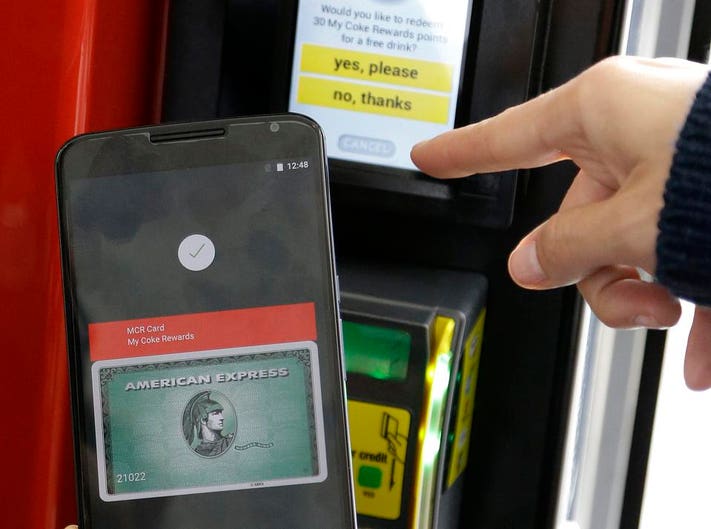
The broader implication for 2026 is the convergence of payment and loyalty rails. As tokenized currencies become more accepted in travel bookings, luxury brands can automatically convert spend into loyalty tokens at the point of sale. This eliminates the need for separate enrollment or manual tracking. The result is a seamless loop where every interaction, from a spa treatment to a flight upgrade, immediately updates the member’s tokenized standing.
Market outlook and implementation
The trajectory for tokenized loyalty programs points toward rapid institutional adoption. By 2034, the market is projected to expand significantly as legacy systems give way to blockchain infrastructure. As of 2026, an estimated 78% of Fortune 500 companies with existing loyalty programs are either piloting or actively evaluating tokenization, signaling a shift from experimentation to standardization.
Launching a program in 2026 requires a disciplined, phased approach. Brands must first define clear utility for the token, moving beyond simple point accumulation to create tangible value. This involves selecting a blockchain that balances transaction speed with regulatory compliance and designing a token structure that aligns with long-term customer engagement goals.
The future of loyalty hinges on hyper-personalization and real-time rewards. Programs that fail to adapt to these expectations risk obsolescence. Early adopters are building ecosystems where tokens can be exchanged across partners, creating a network effect that traditional points systems cannot match. This interoperability is the primary driver of the current market shift.
Frequently asked: what to check next
What are the loyalty trends in 2026?
The most innovative loyalty trends in 2026 focus on building meaning through personalized interactions, extended loyalty ecosystems, and community creation. According to industry experts, 86% of customer experience professionals agree that customer loyalty is becoming an increasingly critical business metric. Tokenized loyalty programs are central to this shift, allowing brands to offer tradable assets that deepen engagement beyond simple point accumulation.
What is the future of loyalty programs?
Loyalty programs are under growing pressure to prove their impact, moving away from traditional points-based systems that are becoming less effective. Heading into 2026, the focus is shifting toward hyper-personalization and real-time rewards. Blockchain-based systems are replacing centralized databases with tokenized digital assets, enabling smarter, more transparent reward structures that respond instantly to customer behavior.
How do tokenized loyalty programs differ from traditional ones?
Tokenized loyalty programs replace traditional points databases with blockchain technology and smart contracts. This transition introduces tradability, allowing customers to exchange, sell, or use their rewards across different platforms. Unlike static points trapped within a single brand’s ecosystem, tokenized rewards offer greater flexibility and tangible value, aligning with the 2026 trend of extended loyalty ecosystems.
Why are brands adopting tokenization for loyalty?
Brands are adopting tokenization to address the limitations of traditional loyalty programs, which often fail to drive meaningful engagement. By using blockchain, companies can create more dynamic and transparent reward systems. This approach not only enhances customer retention but also provides valuable data insights, helping brands tailor experiences in real time and build stronger, more loyal communities.
Is tokenized loyalty secure and reliable?
Yes, tokenized loyalty programs leverage blockchain technology, which offers enhanced security and transparency. Smart contracts automate reward distribution, reducing the risk of errors or fraud. While the technology is still evolving, major players and industry reports indicate that blockchain-based loyalty systems are becoming more robust and widely accepted as a standard for future customer engagement strategies.
Helpful gear
Use these product recommendations as a starting point, then choose the size, material, and price point that fit how you actually use the gear.

As an Amazon Associate, we may earn from qualifying purchases.
No comments yet. Be the first to share your thoughts!