
What tokenized rewards actually mean
Tokenized loyalty programs replace traditional points databases with fungible digital assets on a blockchain. Instead of accumulating static points locked in a single brand’s proprietary system, customers earn tokens that function like shares of stock. These assets are governed by smart contracts, allowing them to be stored, exchanged, or redeemed across a defined ecosystem.
This shift transforms loyalty from a closed-loop marketing tool into an open financial instrument. In traditional programs, points often expire or lose value if the customer doesn’t engage with the specific brand. Tokenized rewards, however, carry inherent liquidity. A customer can hold tokens as a store of value, trade them on secondary markets, or use them across partner networks without losing utility.
The mechanism is straightforward: each loyalty point is minted as a token on a blockchain. This transparency ensures that the value of the reward is verifiable and immutable. As noted by industry analysis, offering tokenized rewards can significantly increase booking intentions and customer engagement because the perceived value of the reward is higher and more flexible. This approach moves loyalty beyond simple retention, integrating it into the broader digital asset landscape.
Why brands are switching to blockchain rewards
The shift from traditional points to blockchain tokens is a structural change in how brands manage customer value. Traditional loyalty programs treat rewards as accounting liabilities. When points sit in a database, they represent a debt the company must eventually settle, often with cash or low-margin inventory. This creates a friction point: the brand wants to minimize the liability, while the customer wants maximum value. Tokenized rewards flip this dynamic by turning points into digital assets. Once minted, these tokens exist on a public ledger, giving customers true ownership rather than a conditional promise.
This ownership model drives measurable engagement. Research from ScienceDirect indicates that tokenized rewards significantly increase booking intentions for hospitality brands. When customers perceive their rewards as transferable assets rather than trapped credits, the perceived value rises. A token can be held, traded, or spent across a wider ecosystem. This liquidity transforms a static reward into a flexible currency that customers actively manage, rather than passively accumulate.
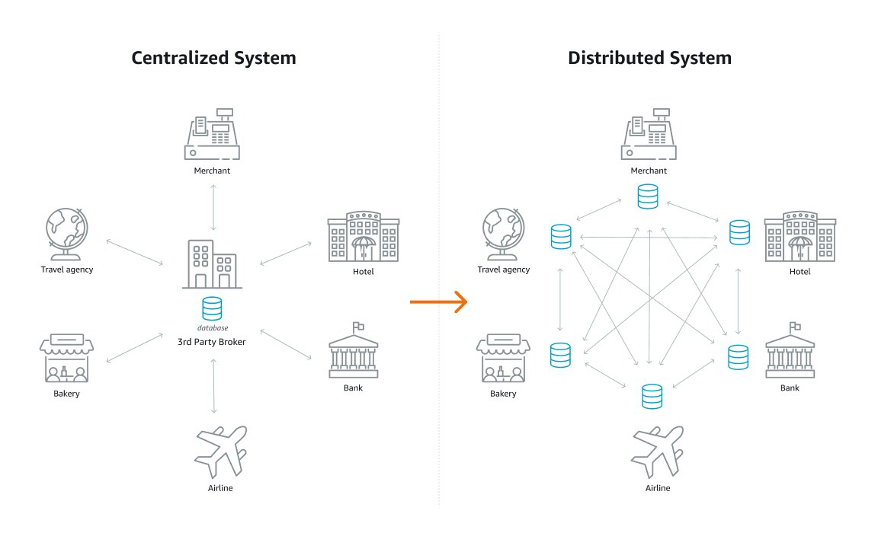
Interoperability is the second major driver. In a closed-loop points system, value is siloed. You cannot use airline miles to pay for a hotel stay unless those specific brands have a partnership. Tokenized rewards can be designed to work across multiple partners or even external markets. This creates a network effect where the utility of the reward grows with the number of participants. As Samuel van Deth notes, this alignment of member value with company objectives can positively impact corporate valuation by creating a more active and invested customer base.
The transition requires a different operational mindset. Brands must manage smart contracts and wallet infrastructure instead of just customer databases. However, the long-term retention benefits are clear. By giving customers control, brands reduce the "points expiration" anxiety that drives churn. Customers stay engaged because they are not just earning points; they are building a portfolio of value that they can use or exchange at their discretion. This asset-based approach turns loyalty from a marketing cost into a strategic asset.
Real-world examples of tokenized loyalty
Brands are moving past pilot programs to deploy tokenized loyalty at scale. These programs replace static point balances with transferable digital assets that users can earn, store, and exchange. This shift creates a more liquid and engaging retention model.
Starbucks Odyssey
Starbucks Odyssey integrates with the Polygon blockchain to reward users for engaging with the brand’s digital ecosystem. Participants earn NFT-based collectibles by completing "Journeys," which are educational or interactive experiences related to coffee sourcing and sustainability. These digital assets can be traded in a secondary marketplace, giving members a tangible sense of ownership over their loyalty status.
Nike RTFKT and NFT Collectibles
Nike has leveraged its acquisition of RTFKT to create a hybrid loyalty experience. The Nike Membership program allows users to earn NFTs, such as the CryptoKicks, which serve as digital twins of physical sneakers. Holding these NFTs grants access to exclusive product drops and real-world events. This strategy bridges physical retail with digital ownership, encouraging deeper brand engagement through scarcity and utility.
Dolce & Gabbana Collection
Dolce & Gabbana’s "The Complete Collection" was one of the first major luxury brands to tokenize its loyalty and product offerings. The brand sold a series of NFTs that granted holders access to exclusive experiences, physical items, and future digital assets. This approach demonstrated how luxury brands can use tokenization to create high-value, exclusive communities rather than just discount-driven loyalty.
Backend mechanics for tokenized programs
Tokenized loyalty programs replace traditional points databases with smart contracts that automate issuance and redemption. Instead of maintaining siloed ledgers, brands deploy token standards that allow customers to earn, store, and exchange rewards within a defined ecosystem.
Smart contracts handle the logic for earning tiers and burning points. When a customer completes a purchase, the contract mints tokens to their wallet. When they redeem rewards, the contract burns the tokens. This automation removes manual reconciliation and reduces fraud by making every transaction immutable and transparent on the blockchain.
Oracle networks bridge the gap between off-chain events and on-chain tokens. Since blockchains cannot natively read external data, oracles like Chainlink verify real-world actions—such as a flight completion or a retail purchase—and trigger the corresponding smart contract functions. This ensures that token issuance is accurate and tied to actual customer behavior.
The infrastructure must be robust enough to handle high transaction volumes without excessive gas fees. Many programs use layer-2 solutions or sidechains to keep costs low while maintaining security. This technical foundation allows loyalty tokens to function as liquid assets rather than static points.
Friction Points in Blockchain Loyalty
Implementing tokenized loyalty programs requires navigating three distinct hurdles: regulatory compliance, user onboarding complexity, and market volatility. Brands must treat these not as technical bugs, but as foundational business constraints.
Regulatory Compliance
Loyalty tokens often straddle the line between utility and security. Misclassification can trigger severe penalties from bodies like the SEC or MiCA regulators in the EU. Brands must ensure their tokenomics do not imply an expectation of profit from others' efforts. Working with legal counsel specializing in digital assets is non-negotiable for high-stakes implementations.
User Onboarding Complexity
Traditional users expect seamless logins; blockchain requires wallet management, seed phrase storage, and gas fee awareness. This friction creates a high drop-off rate. Successful brands abstract the backend complexity, offering custodial wallets or social logins that hide the private key management from the average consumer. The goal is to make the crypto invisible while keeping the benefits.
Market Volatility
Unlike points, tokens have market value. If a brand’s loyalty token is volatile, customers may treat rewards as speculative assets rather than redemption tools, undermining the loyalty loop. Brands must decide whether to peg tokens to fiat, use stablecoins, or accept the risk of price fluctuation. This decision impacts both customer trust and the brand’s own balance sheet exposure.
Frequently asked questions about tokenized rewards
What are tokenized rewards?
Unlike traditional loyalty points, tokenized rewards are transferable digital assets. Users can earn, store, exchange, and redeem them within a defined ecosystem, such as retail or workplace platforms. This flexibility transforms static points into liquid value.
Do tokenized rewards expire?
Most tokenized rewards do not expire. Because they exist as digital assets on a blockchain, they retain their value indefinitely unless the underlying project is discontinued. This permanence contrasts sharply with traditional points that often vanish after a set period.
Can I sell my tokenized rewards?
Yes, you can often sell them on secondary markets. Since these tokens are transferable, they can be exchanged for other cryptocurrencies or fiat currency. This liquidity provides a tangible exit strategy that traditional loyalty programs rarely offer.
Helpful gear
Use these product recommendations as a starting point, then choose the size, material, and price point that fit how you actually use the gear.


As an Amazon Associate, we may earn from qualifying purchases.
No comments yet. Be the first to share your thoughts!