
Define your token utility and rules
Before writing a single line of code, you must determine what the token actually does. Unlike traditional points that sit in a siloed database, a loyalty token is a digital asset with defined economic properties. Your first task is to map out exactly how customers earn, spend, and potentially trade these tokens. This utility drives adoption; if the token feels like just another complicated points system, customers will ignore it.
Start by listing the specific rewards your brand can offer. Common utilities include redeeming tokens for product discounts, exclusive access to events, or tangible perks like hotel room upgrades. For example, a retail brand might allow 100 tokens to be exchanged for a $10 discount, while a travel company might let 500 tokens unlock a free night. The key is to make the redemption process simple and the value immediate.
Consider whether you want your tokens to be tradable. Traditional loyalty programs are closed loops; you can only spend points at your own store. Tokenized programs can introduce "tradability," allowing customers to sell unused tokens to other users or even to the brand itself. This liquidity adds real-world value to the reward, making it more attractive to early adopters who appreciate flexibility.
You also need to define the technical rules that govern these interactions. This is handled by smart contracts—self-executing code on the blockchain that automatically enforces your terms. For instance, a smart contract can ensure that a token can only be redeemed once, preventing fraud, or that it expires after a set date. You do not need to understand the underlying cryptography to set these rules; you simply configure the parameters, such as transfer limits or redemption thresholds, through your development platform.
Finally, decide on the token standard. Most loyalty tokens are built on established standards like ERC-20, which ensures compatibility with most digital wallets and exchanges. This standardization makes it easier for customers to store and manage their rewards without needing specialized software. By locking in these utility and rule definitions now, you create a solid foundation for the technical implementation that follows.
Choose the right blockchain network
Selecting a blockchain for your loyalty program is less about hype and more about matching infrastructure to customer behavior. You need a network that feels invisible to the user—fast enough to prevent checkout friction, and cheap enough that a $5 discount isn’t eaten by $2 in transaction fees. Think of the blockchain as the backend ledger; if it’s slow or expensive, it becomes a bottleneck rather than an accelerator.
For high-volume, low-value rewards like coffee stamps or retail points, Layer 2 (L2) solutions on Ethereum are the standard. They offer near-instant finality and fractions of a cent in gas fees. If your program involves higher-value assets, such as luxury hotel upgrades or exclusive event access, you might consider a dedicated L1 chain or a more secure L2 with deeper liquidity. Avoid mainnet Ethereum for daily transactions; the costs will kill your margins and frustrate your customers.
The table below compares the two most common approaches for loyalty tokens. It highlights the trade-off between the security of the Ethereum mainnet and the efficiency of Layer 2 scaling solutions.
| Feature | Layer 2 (e.g., Base, Arbitrum) | Ethereum Mainnet |
|---|---|---|
| Transaction Cost | $0.01 – $0.10 | $1.00 – $10.00+ |
| Speed (Finality) | 1 – 3 seconds | 12 – 15 seconds |
| Best Use Case | High-frequency rewards, micro-points | High-value asset transfers |
| User Experience | Near-instant, low friction | Slower, higher gas anxiety |



As an Amazon Associate, we may earn from qualifying purchases.
When you launch, ensure your smart contracts are configured to handle these networks correctly. A common mistake is building on mainnet and then trying to scale later; it’s cleaner to start on the right network for your volume. By prioritizing low fees and speed, you keep the focus on the reward, not the technology.
Integrate smart contracts for automation
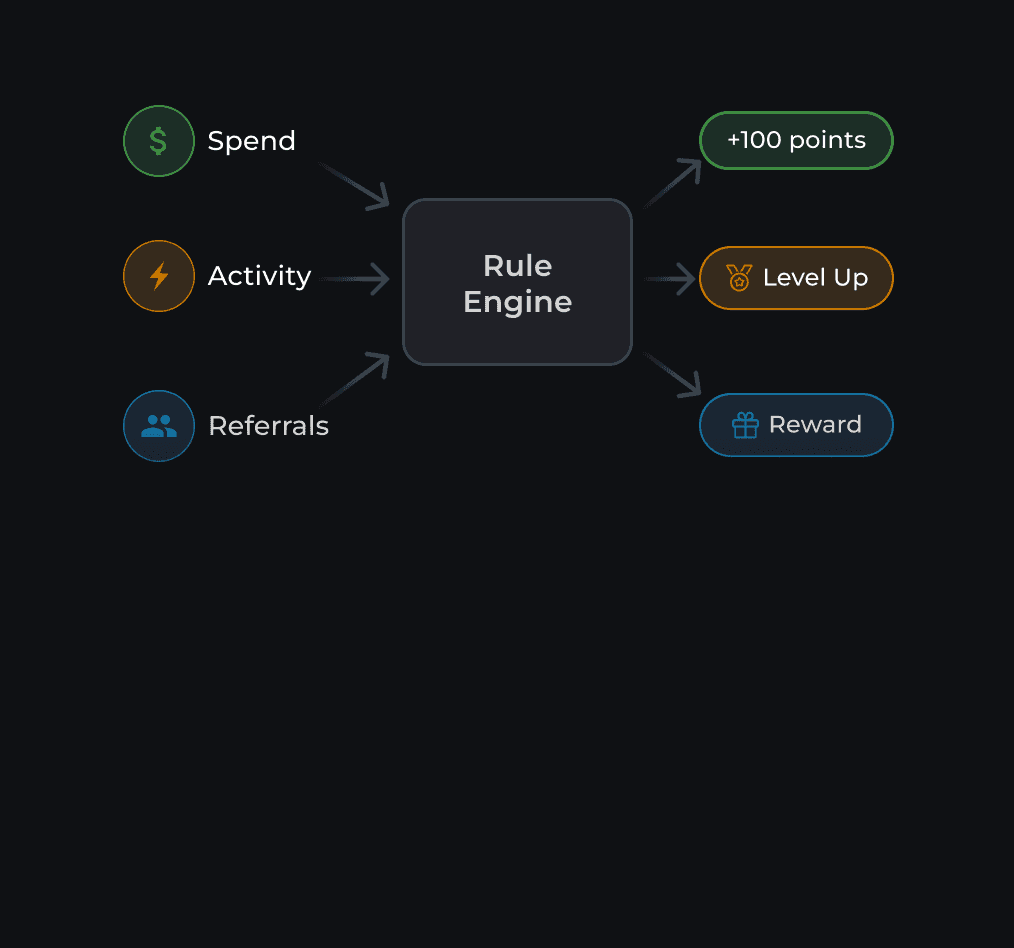
Smart contracts are the engine of a tokenized loyalty program. These are self-executing programs stored on a blockchain that automatically issue, track, and redeem tokens when specific conditions are met. By moving from manual backend databases to automated code, you eliminate the administrative overhead of managing points and reduce the risk of human error or fraud.
Think of a smart contract as a digital vending machine. When a customer performs a qualifying action—such as completing a purchase or staying at a hotel—the contract automatically dispenses the corresponding token to their wallet. There is no need for a customer service representative to verify the transaction or manually update a spreadsheet. The code handles the logic, ensuring that rewards are distributed instantly and transparently.
This automation extends to redemption as well. When a customer chooses to spend their tokens, the contract instantly deducts the balance and transfers the value to the merchant or service provider. This creates a seamless loop where points behave like cash, allowing for real-time settlements and reducing the friction often associated with traditional loyalty programs.
To implement this, you will follow a structured deployment process. The following steps outline how to build and launch the core smart contract for your loyalty ecosystem.
Begin by selecting a blockchain that supports your business goals and customer base. For most loyalty programs, Ethereum Layer 2 solutions (like Polygon or Arbitrum) or dedicated reward chains (like Hedera or VeChain) are preferred due to low transaction fees and high speed. Ensure the network supports ERC-20 or ERC-1155 token standards, which are the industry norms for fungible and semi-fungible loyalty assets.

Before writing code, map out exactly what the tokens represent. Will they be redeemable for discounts, hotel upgrades, or exclusive experiences? Define the exchange rates and expiration rules directly into your contract logic. For example, specify that 100 tokens equal $1 in store credit, or that tokens expire after 12 months. This clarity ensures the smart contract can automatically enforce these rules without manual intervention.
Develop the smart contract using a secure language like Solidity. The contract should include functions for minting (issuing new tokens), burning (redeeming tokens), and transferring balances. Because these contracts handle value, they are prime targets for hackers. Conduct a thorough third-party security audit to identify vulnerabilities before deployment. Never skip this step, as a single bug can compromise your entire loyalty fund.
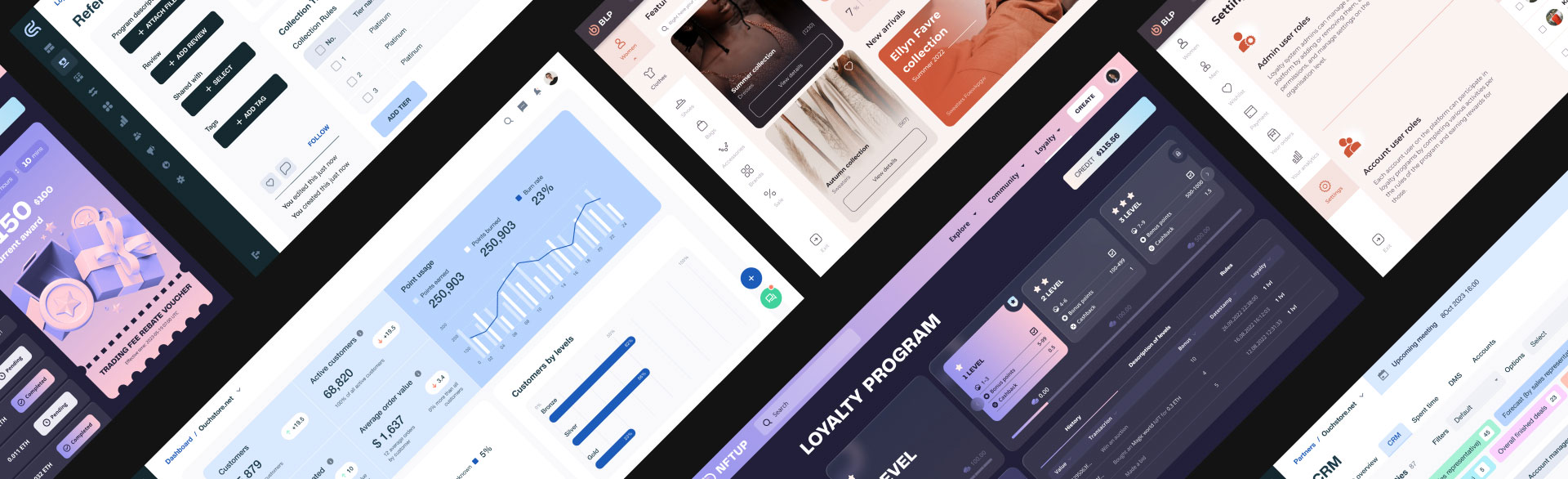
Once audited, deploy the contract to your chosen blockchain’s mainnet. This makes the contract live and immutable. After deployment, record the contract address and token details in your internal systems. This address becomes the source of truth for all token balances, allowing your existing CRM or e-commerce platform to query the blockchain for real-time customer status.
Connect your customer-facing applications to the smart contract using an API or blockchain indexer. This allows your mobile app or website to display real-time token balances and enable one-click redemption at checkout. Ensure your point-of-sale (POS) system can verify token ownership instantly, streamlining the redemption process for both staff and customers.
Design the user onboarding flow
Launch Tokenized Loyalty Programs works best as a clear sequence: define the constraint, compare the realistic options, test the tradeoff, and choose the path with the fewest hidden costs. That order keeps the advice usable instead of decorative. After each step, pause long enough to check whether the recommendation still fits the reader's actual situation. If it depends on perfect timing, unusual access, or a best-case budget, include a simpler fallback.
Set up secondary market liquidity
Traditional loyalty points are trapped. You earn them, you spend them, and any leftover value vanishes when the account expires. Tokenized loyalty programs break this cycle by allowing tokens to be traded or sold on secondary markets. This tradability transforms points from a closed-loop discount into a liquid asset with real-world value.
Think of it like a concert ticket. If you can’t attend, you can sell it to someone else who can. Similarly, when a customer can sell their loyalty tokens on an open market, the perceived value of those tokens rises. They are no longer just waiting for a future purchase; they hold an asset that can be converted into cash or used elsewhere. This flexibility significantly boosts retention and engagement.
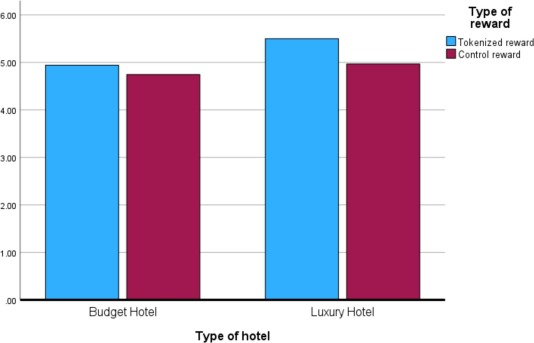
Research in the hospitality sector confirms that offering tokenized rewards increases booking intentions by up to 30% compared to traditional points systems. The ability to trade tokens creates a sense of ownership and financial agency that static points simply cannot match. Customers stay engaged because they see a tangible, liquid value in their loyalty status.
Implementing this requires a smart contract that allows for peer-to-peer transfers. A smart contract is simply a self-executing code on the blockchain that enforces the rules of the token. In this case, it ensures that when a customer sells a token, the ownership transfers securely without needing a middleman. This infrastructure allows your brand to remain the primary issuer while letting the market determine the secondary price.
To make this work, you must decide on the boundaries of this liquidity. Will tokens be tradable immediately upon earning, or only after a holding period? Will there be caps on how many tokens can be sold at once? Setting these rules clearly in your smart contract prevents abuse while maintaining the flexibility that makes tokenized loyalty attractive. By allowing this secondary market, you are not just giving away discounts; you are building a more resilient and valuable customer relationship.
Common mistakes to avoid
Building a tokenized loyalty program requires more than just moving points onto a blockchain. Many brands stumble on design choices that frustrate users or create legal liabilities. Here are the most frequent pitfalls and how to sidestep them.
Poor token utility
Tokens only work if they offer real value. If customers can only redeem them for low-tier merchandise, engagement will drop. Design utility that matters: let tokens unlock hotel room upgrades, exclusive event access, or tiered retail discounts. Make the reward feel immediate and tangible.
Ignoring regulatory limits to account for
Loyalty tokens can sometimes be classified as securities if they promise financial returns. This varies by jurisdiction, so you must consult legal experts early. Treat your token as a utility instrument first—focused on access and rewards—rather than an investment vehicle.
Underestimating technical complexity
"Smart contracts" are just automated agreements that execute when conditions are met. If your code has bugs, funds can be lost or rewards stolen. Don’t build from scratch unless you have a dedicated security team. Use audited, established frameworks to ensure your program runs smoothly.
Frequently asked: what to check next
How do tokenized loyalty programs differ from traditional points?
Traditional programs store points in centralized databases, which can be difficult to manage across different brands. Tokenized loyalty programs replace these silos with digital assets on a blockchain. This shift allows customers to earn, spend, and transfer rewards more freely, often increasing engagement and booking intentions for hospitality brands.
What is a smart contract in this context?
A smart contract is simply a digital agreement that automatically executes when conditions are met. Instead of a human manager approving a reward redemption, the code handles it instantly. This reduces administrative overhead and ensures that points are issued or redeemed exactly as promised, without manual intervention.
Can customers sell or trade their loyalty tokens?
Yes. Unlike traditional points that are often locked to a specific brand, tokens can sometimes be traded on secondary markets or exchanged for other rewards. This liquidity adds value for customers, who can treat their loyalty earnings like a flexible currency rather than a fixed discount.
What technical requirements are needed to launch?
Launching a tokenized program requires a blockchain infrastructure and a digital wallet solution for users. Businesses must also define the tokenomics—how tokens are earned, their value, and how they expire. Partnering with a blockchain provider can simplify the technical setup, allowing you to focus on the customer experience rather than the underlying code.
No comments yet. Be the first to share your thoughts!