

Define your token utility model
Tokenized loyalty programs 2026 differ from traditional points by offering interoperability and real-world value, not just closed-loop discounts. These systems replace static database entries with blockchain-based tokens that function as digital assets. This shift allows for transferability and external utility, moving beyond simple point accumulation.
To build a functional token economy, you must define what the token can actually do. Can it be redeemed for products, transferred between users, or used across partner networks? The goal is to create a currency within your ecosystem that holds perceived value for the holder.
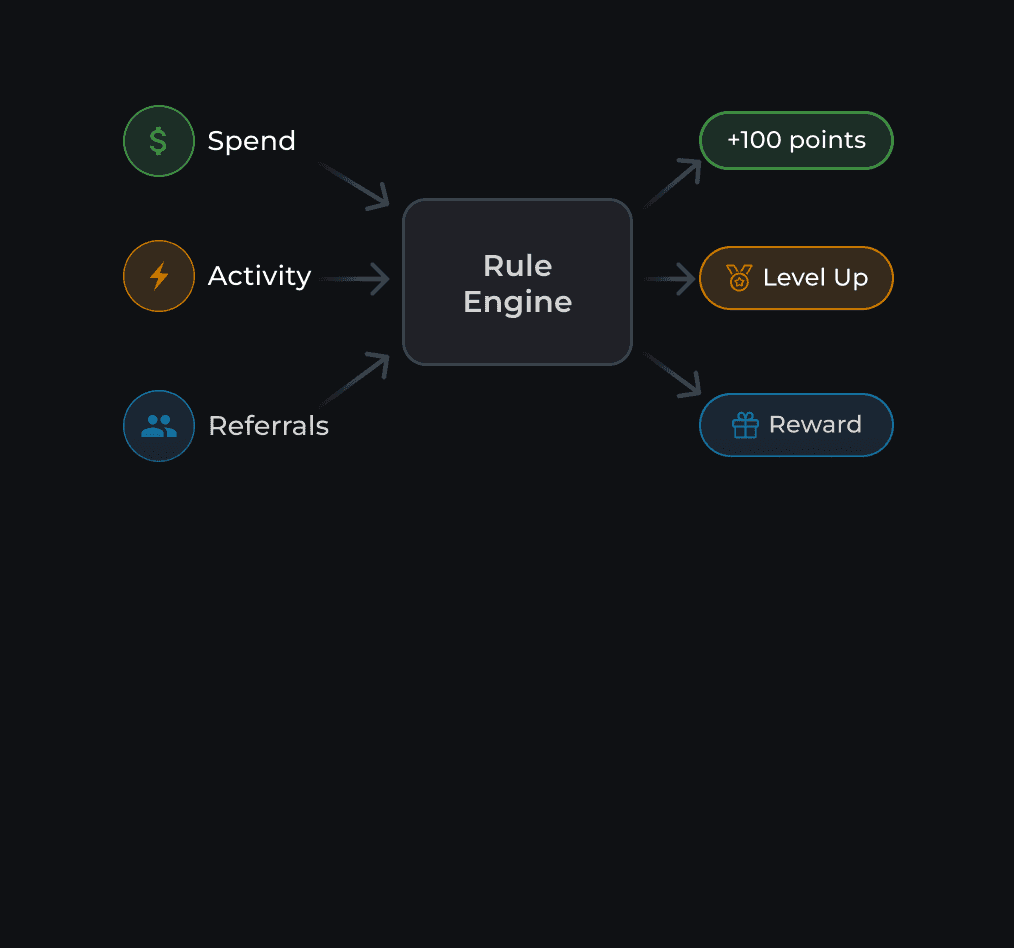
Consider the structure of your rewards. Traditional points often expire or lose value due to inflation. Tokenized assets can be designed with fixed supplies or deflationary mechanics, preserving their worth over time. This requires a different approach to program design, focusing on the token's lifecycle and utility rather than just the redemption catalog.
Start by mapping the user journey. Identify where friction currently exists in your point system. Does redemption feel complicated? Are points hard to understand? A well-defined utility model removes these barriers by making the reward transparent and actionable. This clarity drives engagement and builds trust in the new system.
Select the right blockchain infrastructure
Choosing between public and permissioned chains is the first technical decision in building a tokenized loyalty program. This choice determines how much it costs to issue rewards, how fast they reach customers, and whether users can trade them on open markets.
Public blockchains like Ethereum or Solana offer full transparency and transferability. Users can move tokens between wallets or sell them on exchanges, creating a liquid asset class. However, transaction fees (gas) can be unpredictable, and user onboarding requires managing crypto wallets, which adds friction for non-crypto-native audiences.
Permissioned ledgers and Layer-2 solutions prioritize speed and low cost. They operate within a controlled environment, meaning rewards are not directly transferable to external exchanges. This model suits brands that want to keep rewards within their own ecosystem while avoiding the volatility and high fees of public chains.
Use the comparison below to weigh the trade-offs for your specific business model.
If your goal is to create a tradable asset that appeals to crypto-savvy users, start with a public chain. If your priority is mass adoption with minimal friction, a permissioned solution is the better fit. Many hybrid models now use Layer-2s for daily transactions and bridge to public chains for high-value redemptions.
Design the smart contract logic
Tokenized loyalty programs replace traditional points databases with tokenized digital assets and smart contracts. This shift moves reward management from a centralized ledger to a self-executing codebase. The result is a program that runs automatically, transparently, and without manual intervention.
The core mechanism follows a strict lifecycle: minting, distribution, redemption, and burning. Each step is defined in the smart contract, ensuring that rewards are created only when specific conditions are met and destroyed when redeemed. This prevents inflation and guarantees that the total supply of loyalty tokens matches the actual value issued by the brand.
Step 1: Define the token standard and initial supply
Begin by selecting the appropriate token standard for your blockchain. ERC-20 is the most common choice for fungible loyalty points, while ERC-1155 suits programs offering mixed rewards like points and exclusive digital collectibles. Define the total supply cap in the contract code to prevent unauthorized minting. Set the decimal precision (usually 18) to allow for fractional rewards, such as 0.5 points per purchase, which encourages frequent engagement.
Step 2: Code the minting function
The minting function is the entry point for rewards. It should be triggered by a verified event, such as a purchase confirmation or a verified action. The contract must check the caller’s authority to ensure only approved systems can create new tokens. When triggered, the function increases the balance of the user’s wallet and updates the total supply. This step ensures that tokens are only created when a qualifying action occurs, maintaining the integrity of the reward economy.
Step 3: Implement distribution and balance tracking
Distribution is handled automatically by the smart contract’s internal ledger. When a user qualifies for a reward, the contract updates their balance directly. Unlike traditional systems that require batch processing, this happens in real-time. The contract should also track the history of these transactions on-chain, providing users with a transparent view of how they earned their tokens. This transparency builds trust and reduces customer service inquiries about missing points.
Step 4: Set up redemption and burning logic
Redemption requires a burn function that removes tokens from circulation. When a user redeems points for a reward, the contract verifies their balance, deducts the required amount, and burns the tokens. Burning permanently removes them from the total supply, preventing double-spending and controlling inflation. This step closes the loop, ensuring that the value of the remaining tokens stays stable and aligned with the brand’s offerings.
Select ERC-20 or ERC-1155 and set the total supply cap and decimal precision in the contract code.
Create a function triggered by verified events that increases user balances and total supply only when authorized.

Update user balances in real-time on-chain as rewards are earned, ensuring transparent and immediate tracking.
Implement a burn function that deducts tokens from user balances and removes them from total supply upon redemption.
By following this sequence, you build a loyalty program that operates on code rather than trust. The smart contract becomes the single source of truth, eliminating the need for complex backend reconciliation and reducing operational costs. This foundation allows your brand to scale rewards globally without worrying about database errors or point fraud.
Solve the user onboarding friction
The biggest barrier to tokenized loyalty programs is the wallet itself. Non-technical users do not want to manage seed phrases, gas fees, or complex transaction approvals. If the first step requires installing a browser extension and backing up a mnemonic, you have already lost the customer.
Account abstraction (ERC-4337) removes these barriers by allowing users to sign in with email, social media, or biometrics. The smart account handles the blockchain interactions in the background. The user sees only a familiar login screen and a digital loyalty card in their phone wallet.
Implement social login and gas sponsorship
Integrate a wallet provider that supports account abstraction. Configure the backend to sponsor gas fees for initial reward redemptions. This means the brand pays the network cost, not the customer. The user receives their first tokenized reward without ever touching cryptocurrency.
Guide the first reward claim
Once the user logs in, prompt them to claim their welcome bonus. Use a simple "Connect Wallet" or "Sign In" button. After authentication, the smart contract mints the loyalty token to their address. Show a clear confirmation screen that explains the value of the token in fiat terms, not just blockchain units.
Launch and measure retention impact
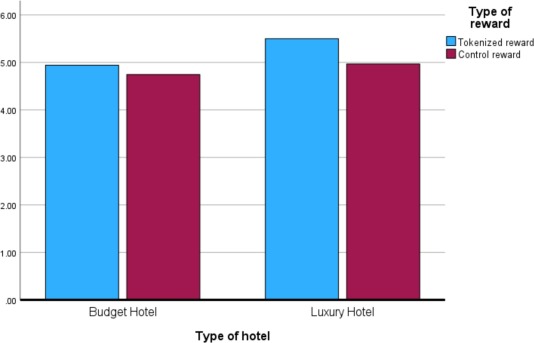
With the smart contract audited and the wallet integration tested, you are ready to deploy the tokenized loyalty program. The transition from static points to blockchain-based rewards shifts how customers interact with your brand. Research indicates that tokenized rewards increase booking intentions and overall engagement compared to traditional points systems. As of 2026, 78% of Fortune 500 companies with existing programs are piloting or evaluating this technology, signaling a major shift in customer retention strategies.
Pre-launch checklist
Before opening the program to the public, verify these final components to ensure a smooth rollout:
-
Smart contract audit completed by a reputable firm
-
Wallet integration tested across iOS and Android devices
-
Legal compliance review for securities and consumer protection
-
Marketing assets prepared for launch campaign
Tracking success metrics
Once live, monitor specific metrics to gauge the impact of tokenization. Focus on retention rates and engagement frequency rather than just acquisition. Tokenized rewards often drive higher repeat interaction because users perceive the assets as more valuable and transferable. Compare these metrics against your previous static points program to quantify the improvement in customer loyalty.
Common tokenized loyalty: what to check next
Decision-makers often pause at the technical and financial details before launching a tokenized loyalty program. These answers address the most frequent implementation hurdles regarding cost, user access, and compliance.
How much does it cost to launch?
Budgeting for a tokenized loyalty program involves two distinct phases: initial setup and ongoing maintenance. Initial costs typically range from $15,000 to $50,000, covering smart contract development, security audits, and integration with existing customer relationship management (CRM) systems. Ongoing monthly costs usually fall between $2,000 and $5,000, depending on blockchain gas fees and platform hosting. Enterprise-grade solutions with custom tokenomics may exceed $100,000 in initial deployment [src-serp-5].
Do customers need crypto wallets?
No. Modern tokenized loyalty programs use account abstraction to hide blockchain complexity from end users. Customers create standard email or phone-based accounts on your platform. The system manages a non-custodial wallet in the background, allowing users to earn and redeem tokens without managing private keys or seed phrases. This approach maintains the security benefits of blockchain while preserving the frictionless experience of traditional points systems [src-serp-8].
How are tokens taxed?
Tax treatment depends on jurisdiction and whether the token is classified as a reward or currency. In the US, the IRS generally treats loyalty points as non-taxable until redeemed for goods, but tokenized rewards may face different scrutiny if they have exchangeable fiat value. Companies should consult a tax professional to determine if tokens constitute taxable income upon issuance or redemption. Compliance frameworks often treat token issuance as a marketing expense rather than income, but this varies by region.
No comments yet. Be the first to share your thoughts!