
Get tokenized loyalty programs 2026 right
Before you migrate your rewards infrastructure, you must define the utility of the token itself. Traditional points are static liabilities on a balance sheet; tokenized assets are dynamic instruments. The primary shift is tradability. Unlike legacy systems where rewards are locked to future purchases, tokenized loyalty programs allow customers to hold, trade, or exchange points as digital assets. This requires a fundamental rethink of your liability accounting and customer value proposition.
1. Choose the right ledger
Ethereum currently holds the strongest ecosystem network effects, leading in developer activity and application density. With approximately $50 billion in total value locked across decentralized finance, it offers the most robust infrastructure for loyalty tokens. However, consider Layer 2 solutions for lower transaction fees if your program involves high-frequency micro-rewards. The choice dictates your gas costs and user experience.
2. Define redemption mechanics
Your smart contracts must automate the redemption process. Whether users redeem tokens for products, cash, or other digital assets, the logic must be transparent and immutable. Avoid vague "points" systems. Instead, use clear token standards (like ERC-20 or ERC-1155) that define scarcity, transferability, and burn mechanisms. This transparency builds trust and reduces support queries regarding point expiration or valuation.
3. Integrate with existing CRM
Tokenization is not a replacement for customer relationship management; it is an upgrade. Your existing CRM must ingest on-chain data to maintain hyper-personalization. In 2026, customers expect real-time rewards and personalized interactions. If your token is tradable but your CRM cannot track individual holder behavior, you lose the personalization advantage that keeps retention high.
4. Plan for regulatory compliance
Tokenized points often fall under securities or commodity regulations depending on their utility and tradability. Engage legal counsel early to determine if your token is a utility token or a security. Non-compliance can lead to frozen assets and reputational damage. Ensure your smart contracts include pause functions and whitelisting capabilities to meet KYC/AML requirements if necessary.
How to build an AI-driven tokenized loyalty program
Traditional points systems are becoming less effective because they trap value in siloed databases. Tokenized loyalty programs replace these closed loops with digital assets on a blockchain, using smart contracts to manage rewards. This shift allows for tradability, hyper-personalization, and real-time redemption across different brands. Building this infrastructure requires moving from static databases to dynamic, programmable tokens.
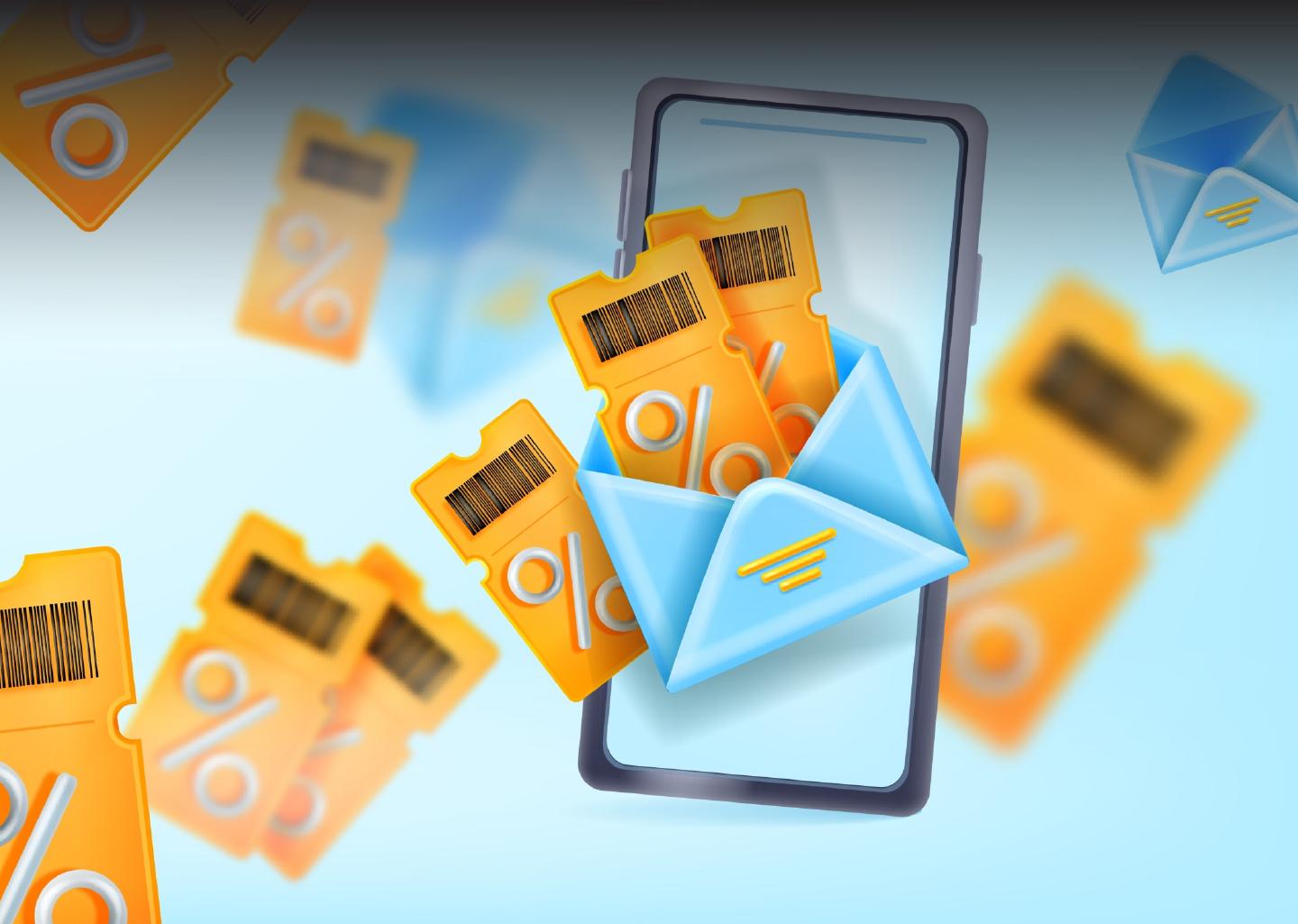
Choose an ERC-20 standard for fungible points that can be easily traded or redeemed. Unlike traditional LPs where rewards only buy future purchases, tokenized LPs introduce tradability. Define whether tokens are non-transferable (soulbound) for security or fully transferable for secondary market liquidity. This choice dictates the entire user experience and regulatory compliance path.
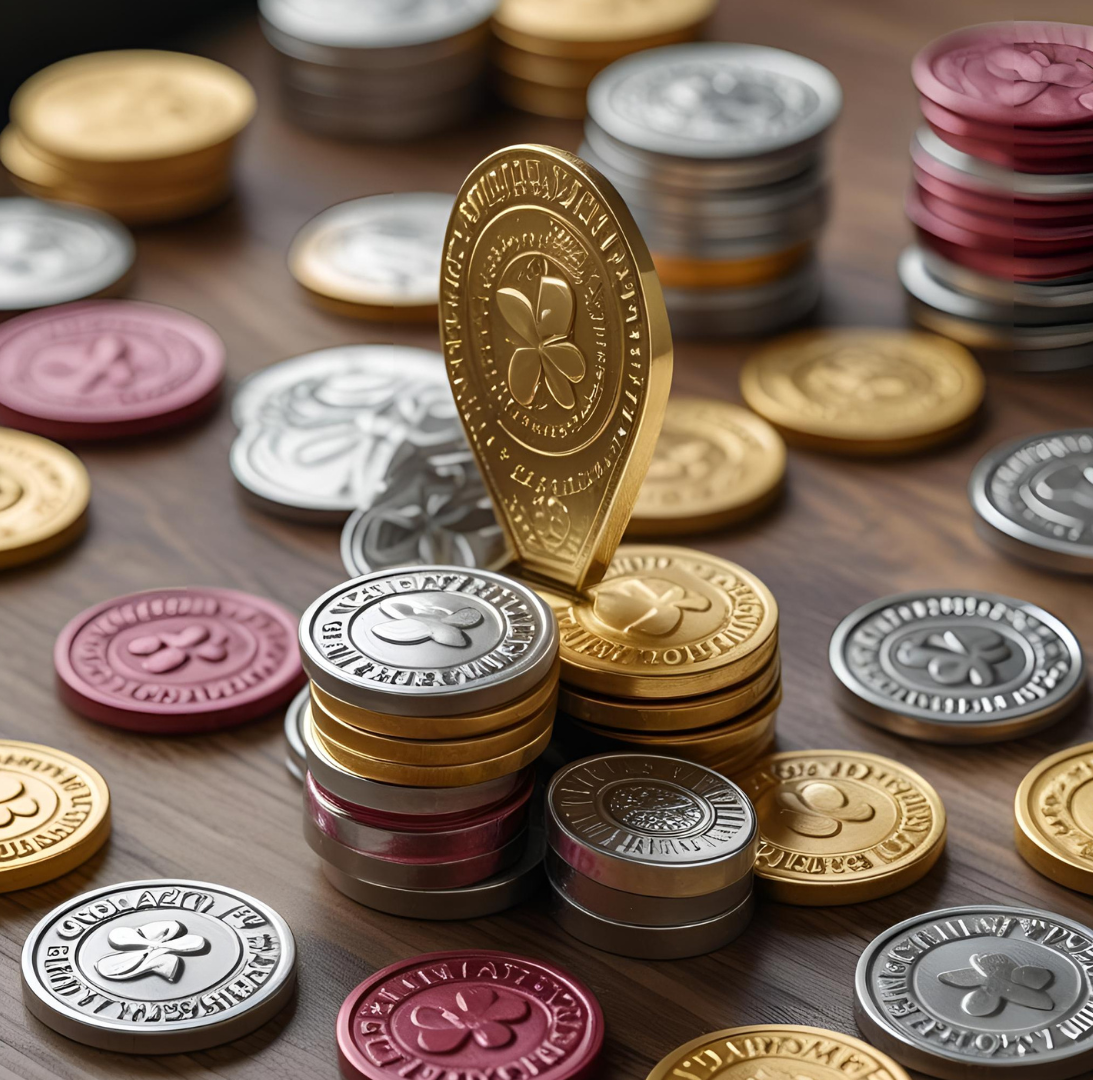
Deploy machine learning models to analyze transaction history and predict individual customer preferences. In 2026, loyalty trends focus heavily on personalized interactions rather than generic point accumulation. Use AI to dynamically adjust reward multipliers in real-time based on user behavior, ensuring that rewards feel relevant and immediate rather than distant and abstract.
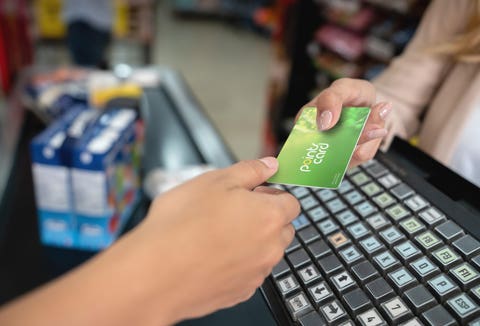
Write self-executing contracts that automatically issue tokens upon purchase verification. This removes the need for manual point crediting and reduces administrative overhead. Ensure the contracts are audited for security, as high-stakes financial interactions require robust code to prevent exploits or unintended token inflation.
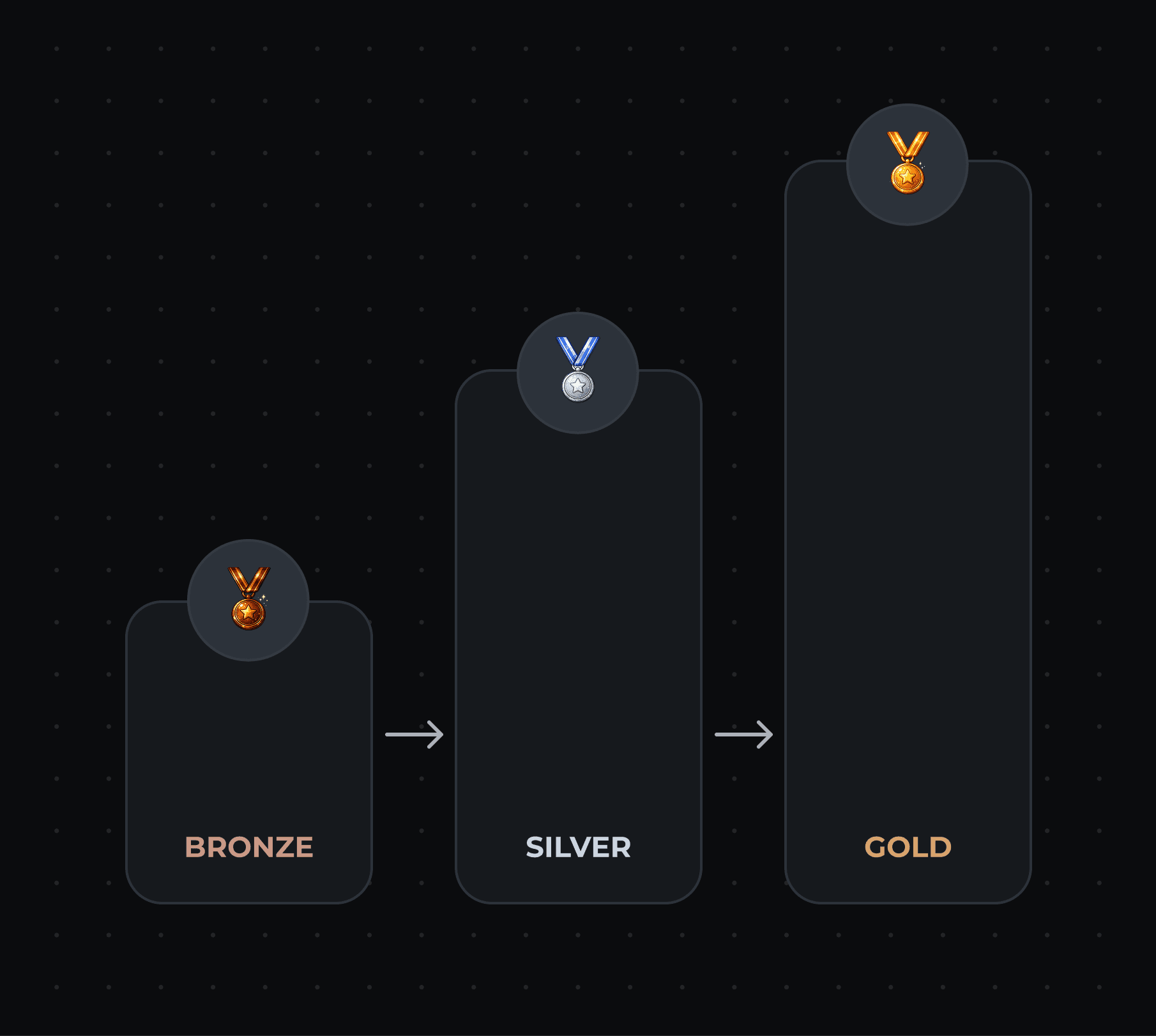
Connect your token to a broader ecosystem where users can redeem points with partner brands. This creates extended loyalty ecosystems that increase stickiness. For example, a user could redeem airline miles for retail discounts or coffee shop rewards. This interoperability is the primary driver of value in tokenized systems, moving beyond single-brand silos.
Use decentralized identity solutions to verify user age and location without storing sensitive personal data. Ensure compliance with local financial regulations, especially if tokens have monetary value. This step is critical for maintaining trust and avoiding regulatory penalties in the high-stakes finance sector.
Common Mistakes in AI-Driven Tokenized Loyalty Programs
Transitioning from traditional points databases to tokenized digital assets introduces specific failure points that can undermine customer trust and program viability. The following errors frequently derail implementations, often stemming from a misunderstanding of how tradability and smart contracts interact with consumer expectations.
Ignoring Regulatory Compliance and Tax Implications
Tokenized rewards are often classified as digital assets or securities, triggering complex regulatory requirements that traditional points databases avoided. Many programs fail to account for tax liabilities associated with token transfers or secondary market trades. This oversight can lead to sudden compliance breaches or unexpected tax bills for users, causing immediate churn. Always consult legal experts specializing in digital asset regulations before deploying tokenized rewards.
Overlooking Liquidity and Secondary Market Risks
Unlike traditional points, which have fixed redemption values within a closed ecosystem, tokenized loyalty programs introduce tradability. This feature allows customers to sell or exchange rewards, but it also exposes them to market volatility. Programs often fail to model these risks, leading to user confusion when reward values fluctuate. If the underlying token loses value, customers feel cheated, regardless of the program's original intent. Clear communication about value stability is essential.
Poor User Experience and Wallet Friction
Blockchain loyalty programs require users to manage digital wallets, private keys, and gas fees. Traditional loyalty programs are seamless; tokenized ones often introduce significant friction. Forcing non-technical users to navigate complex wallet interfaces leads to abandonment. Successful programs abstract away blockchain complexity, offering custodial solutions or simplified onboarding. If the user experience is harder than simply scanning a QR code, the technology has failed its purpose.
Neglecting Data Privacy and Transparency
While blockchain offers transparency, it also makes all transaction history public on the ledger. Many programs fail to implement zero-knowledge proofs or other privacy-preserving technologies, exposing sensitive customer data. This lack of privacy is a major deterrent for users concerned about data security. Ensure that personal identifiable information (PII) is never stored directly on-chain, and that smart contracts are audited for security vulnerabilities.
Tokenized loyalty programs 2026: what to check next
How will loyalty programs change in 2026?
The shift moves away from static points databases toward tokenized digital assets powered by smart contracts. This change introduces tradability, allowing customers to transfer or sell rewards rather than being locked into future purchases with a single brand. Programs are also adopting hyper-personalization and real-time reward distribution to prove their impact on retention.
Who is leading in tokenization?
Ethereum currently holds the strongest ecosystem network effects, leading all other chains in market capitalization, developer activity, and the number of active applications. Its robust decentralized finance infrastructure, with approximately $50 billion in total value locked, makes it the primary choice for brands building scalable, interoperable loyalty tokens.
What are the loyalty trends in 2026?
Success in 2026 relies on building meaning through personalized interactions and extended loyalty ecosystems. Brands are focusing on creating community rather than just transactional exchanges. In fact, 86% of customer experience professionals agree that loyalty is becoming a critical business metric, driving a move toward more engaging, community-centric reward structures.
What is the most successful loyalty program in the world?
Starbucks Rewards remains a benchmark, with nearly 30 million members. It combines personalized benefits, exclusive games, and the ability to pre-load cash for extra points. While it predates the tokenization wave, its high engagement and seamless integration of cash and rewards offer a model for the user experience modern programs strive to match.
No comments yet. Be the first to share your thoughts!