
Map the token utility before coding
Before writing a single line of smart contract code, you must define the economic model of your loyalty token. A tokenized loyalty program succeeds only when the digital asset serves a clear, practical purpose within your ecosystem. If the token lacks tangible utility, it becomes a speculative instrument rather than a retention tool, leading to low engagement and potential regulatory scrutiny.
Start by identifying the specific actions you want to reward. These could be purchases, referrals, reviews, or community participation. Assign token values to these actions based on their cost to your business and their perceived value to the customer. For example, a $10 purchase might yield 100 tokens, while a referral might yield 500. This establishes the "minting" phase of the token's lifecycle.
Next, define the "burning" or redemption mechanics. Customers need clear avenues to spend their tokens. Options include discounting future purchases, unlocking exclusive content, or redeeming for physical merchandise. The more frictionless the redemption process, the higher the perceived value of the token. Avoid creating complex redemption tiers that confuse users; simplicity drives adoption.
Finally, address scarcity and supply caps. Unlike traditional points, which are often unlimited liabilities on a balance sheet, tokens can have a fixed or algorithmically controlled supply. This scarcity can increase the token's value over time, encouraging customers to hold onto their rewards rather than spending them immediately. However, balance this carefully: if tokens are too scarce or valuable, customers may feel frustrated by the difficulty of redemption, negating the loyalty benefit.
By mapping these utility mechanics first, you ensure that your technical implementation supports a sustainable business model. The code is merely the infrastructure; the economic design is the foundation.
Choose the right blockchain infrastructure
Selecting the underlying blockchain layer determines your program’s cost structure and user experience. You need a system that processes transactions quickly and cheaply while keeping onboarding friction low. The goal is to avoid unnecessary complexity that drives customers away.
Loyalty points function best when they behave like digital assets. This means replacing traditional database records with tokenized assets on a blockchain. The infrastructure you pick must support this shift without requiring users to manage complex wallets or pay high gas fees.
Compare the three main infrastructure options below to see which fits your business model.
| Infrastructure Type | Transaction Cost | Speed | User Onboarding |
|---|---|---|---|
| Layer 1 (e.g., Ethereum) | High | Moderate | High |
| Layer 2 (e.g., Polygon) | Low | Fast | Low |
| Permissioned (e.g., Hyperledger) | Variable | Fast | Medium |
Layer 1 chains like Ethereum offer strong security but often charge fees that make small loyalty rewards uneconomical. Layer 2 solutions, such as Polygon, process transactions on top of the main chain, offering near-instant speeds and negligible costs. This makes them ideal for high-volume, low-value loyalty transactions.
Permissioned blockchains, like Hyperledger Fabric, are private networks controlled by your organization. They offer high speed and privacy but require users to go through stricter identity verification. Use this option if you are targeting enterprise clients or high-net-worth individuals where privacy and compliance are the primary concerns.
For most consumer-facing loyalty programs, a Layer 2 solution provides the best balance. It keeps gas fees near zero, allowing you to issue micro-rewards without losing money on transaction costs. It also supports standard wallets, making it easier for customers to start earning points immediately.
Design the smart contract logic
A tokenized loyalty program runs on a smart contract that defines how points are created, spent, and moved. You need to set clear rules for minting new tokens, burning them when redeemed, and controlling who can transfer them. This logic replaces traditional database entries with transparent, automated code.
The contract must handle the full lifecycle of a loyalty token. It starts with minting, which adds tokens to a customer’s wallet when they earn rewards. It ends with burning, which removes tokens from circulation when they are redeemed for a product or service. Between these two actions, transferability rules determine if customers can trade, gift, or sell their points.
1. Define Minting Rules
Minting creates new tokens. In a loyalty context, this happens when a customer completes a qualifying action, such as making a purchase or referring a friend. The contract should accept an address and an amount, then update the total supply and the recipient’s balance.
You can automate this process using oracles or off-chain triggers that call the contract. For example, when a point-of-sale system records a sale, it sends a signal to mint the corresponding tokens. Ensure the contract verifies the sender’s authority to prevent unauthorized token creation.
function mint(address to, uint256 amount) external onlyOwner {
    require(to != address(0), "Invalid address");
    _mint(to, amount);
}
2. Implement Burning Mechanisms
Burning removes tokens from the system. This is essential for loyalty programs to prevent inflation and manage liability. When a customer redeems a reward, the tokens should be permanently destroyed or moved to a dead address.
Allow users to burn their own tokens by calling a function from their wallet. This gives them control over their rewards and reduces the need for manual intervention. The contract must verify that the caller has sufficient balance before executing the burn.
function burn(uint256 amount) external {
    _burn(msg.sender, amount);
}
3. Set Transferability Restrictions
Not all loyalty tokens should be freely tradable. You might want to restrict transfers to prevent fraud or maintain program integrity. Common restrictions include:
- Non-transferable: Tokens can only be used by the original recipient.
- Transferable with limits: Tokens can be moved but only within a specific time frame or to approved addresses.
- Fully transferable: Tokens act like currency and can be traded on secondary markets.
Use access control modifiers to enforce these rules. For example, you can check if the sender is the owner before allowing a transfer. This ensures that only authorized parties can move tokens, protecting the program from abuse.
4. Handle Edge Cases
Smart contracts must handle unexpected situations gracefully. Common edge cases include:
- Insufficient balance: Prevent transactions if the user lacks enough tokens.
- Overflow/underflow: Use safe math libraries to prevent arithmetic errors.
- Reentrancy attacks: Use the checks-effects-interactions pattern to prevent malicious contracts from draining funds.
Testing these scenarios is critical. Deploy the contract to a testnet and simulate various user interactions to identify vulnerabilities before going live.
5. Audit and Deploy
Before launching, have the contract audited by a reputable security firm. Audits identify code flaws that could lead to token loss or program failure. Once audited, deploy the contract to the mainnet and monitor it closely for the first few weeks.
Keep the contract’s source code open and documented. This builds trust with users and allows developers to contribute improvements or build integrations. Transparency is a key advantage of blockchain-based loyalty programs.
Integrate wallet onboarding flows
Traditional crypto wallets require users to manage seed phrases, gas fees, and complex addresses. This friction causes high drop-off rates during sign-up. To build a tokenized loyalty program that retains customers, you must abstract these blockchain complexities. By using account abstraction or custodial wallets, you allow users to log in with familiar methods like email or social accounts while the backend handles the cryptographic security.
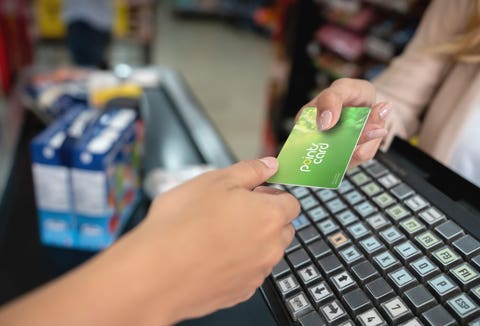
Replace the traditional "Connect Wallet" button with social login providers (Google, Apple, X) or email magic links. This allows users to create an account in seconds without installing a browser extension or downloading a mobile app. The system automatically generates a custodial wallet in the background, linking it to the user's identity.
Use account abstraction (ERC-4337) to sponsor transaction fees. Instead of forcing users to buy cryptocurrency to pay for gas, your business covers the transaction costs. This removes the need for users to hold ETH or other native tokens, making the experience feel like a standard e-commerce checkout rather than a crypto exchange.
Design the front-end to hide the underlying token mechanics. When a user redeems a reward, show a simple "Redeem" button. The backend should handle the token transfer or burn operation silently. Ensure the confirmation screen clearly displays the new balance and any associated perks, reinforcing the value of the tokenized asset without technical jargon.
This approach shifts the burden of technical management from the customer to your infrastructure. By removing the need for seed phrase management and gas fees, you lower the barrier to entry significantly. Users interact with tokens as they would with traditional points, but they gain the benefits of ownership and transferability on the backend.
Launch and monitor redemption rates
Tokenized loyalty programs succeed or fail based on how often customers actually use their rewards. Distribution numbers are vanity metrics; redemption velocity is the only measure that matters. If customers hold tokens without spending them, the program is merely a digital coupon that expired before it was issued.
Start by defining clear redemption paths. Customers must be able to exchange tokens for tangible value—discounts, exclusive access, or physical goods—within three clicks. If the redemption process requires technical knowledge or obscure wallet interactions, you will see high churn. Simplify the user interface so that earning and spending feel as natural as tapping a credit card.
Track active holders rather than total supply. An active holder is a user who has redeemed at least one token within a 30-day window. Monitor this metric weekly. If active holders drop, your rewards are likely losing perceived value or your redemption options are too limited. Adjust the reward catalog immediately to match customer preferences.
Use this pre-launch checklist to ensure your infrastructure is ready to handle real-world usage.
-
Audit smart contract for redemption logic errors
-
Test onboarding flow with non-technical users
-
Verify all redemption paths return correct inventory
-
Set up analytics dashboard for daily redemption tracking
By focusing on active usage, you build a program that drives repeat business instead of just distributing digital assets.
Frequently asked: what to check next
Tokenized loyalty programs introduce new technical and regulatory layers compared to traditional points systems. Below are common questions about implementation, compliance, and user experience.
No comments yet. Be the first to share your thoughts!