
Get tokenized loyalty programs 2026 right
Before launching a tokenized loyalty program, you need to treat it as a financial product, not just a marketing perk. Unlike traditional points databases, blockchain loyalty programs replace static ledgers with tokenized digital assets and smart contracts. This shift introduces tradability, meaning customers can potentially exchange, sell, or transfer rewards. That freedom changes the risk profile entirely.
Start by defining the token’s utility. A token that only buys discounts is just a digital coupon. To drive genuine retention, the asset must hold value beyond the brand’s own walls. This could mean interoperability with partner ecosystems or a clear mechanism for secondary market trading. Without this utility, you are building a walled garden that offers little advantage over a standard punch card.
Next, audit your regulatory exposure. Because these tokens can be traded, they may fall under securities regulations depending on your jurisdiction. Consult legal counsel early to determine if your token is a utility access pass or an investment contract. Getting this wrong can shut down your program before it gains traction. Ensure your smart contracts are audited and your user interface clearly explains the risks and rewards to customers.
Walk through the steps
Setting up a tokenized loyalty program requires shifting from a closed database to an open, blockchain-based infrastructure. This process involves defining the asset, choosing the right chain, and building the user interface. Follow these steps to launch a functional tokenized rewards system.
Before writing code, determine what the token represents. Will it be a non-transferable point (Soulbound Token) or a tradable asset? Most modern 2026 programs opt for tradable tokens to increase perceived value. Define the utility: can users trade points for cash, swap them with other brands, or burn them for discounts? This decision dictates the technical complexity and regulatory requirements.
Choose a network that balances cost, speed, and user accessibility. Ethereum offers security but high gas fees. Polygon or Base provide low-cost transactions ideal for micro-rewards. Ensure the chain supports the token standard you defined (e.g., ERC-20 for fungible points, ERC-721 for unique badges). The goal is to make redemption frictionless for the end user.
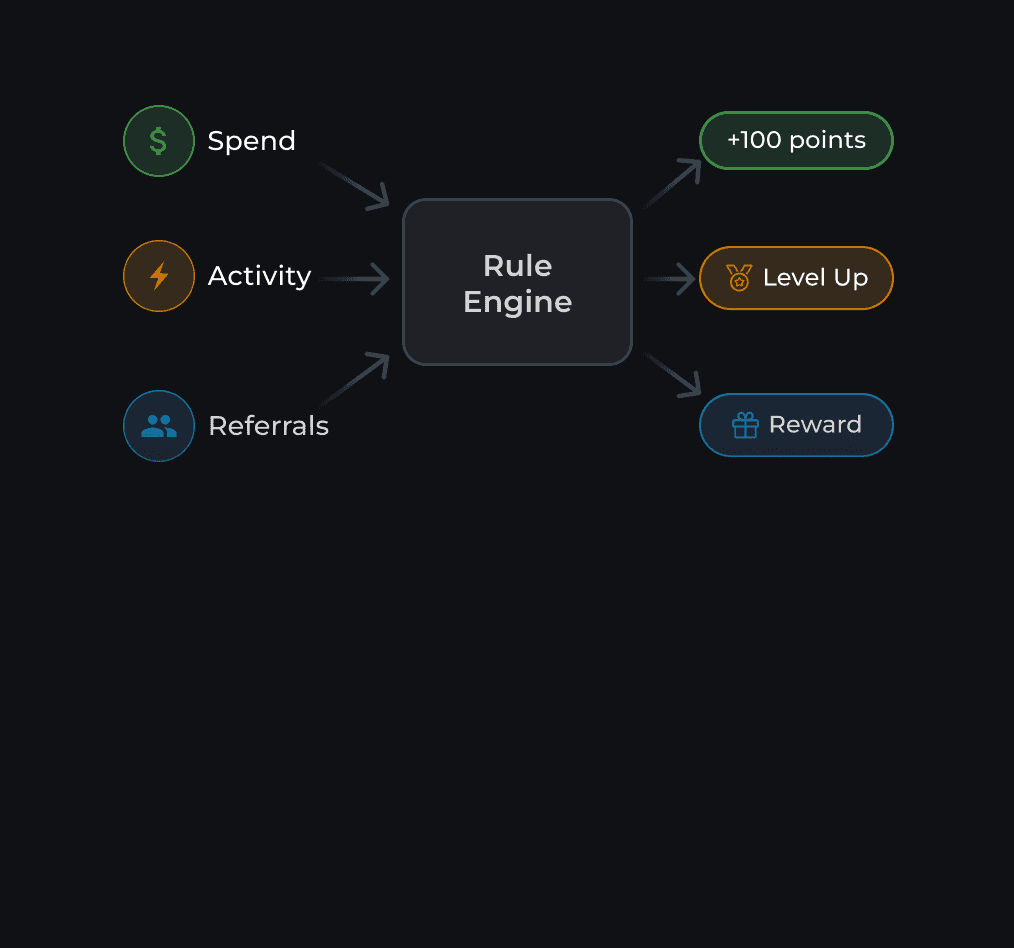
Deploy smart contracts that automatically mint tokens when users complete actions (purchases, referrals) and burn them when redeemed. Chainlink’s oracle networks can feed real-world purchase data into these contracts to trigger token issuance. This removes manual accounting and ensures that every point is backed by verifiable on-chain activity.
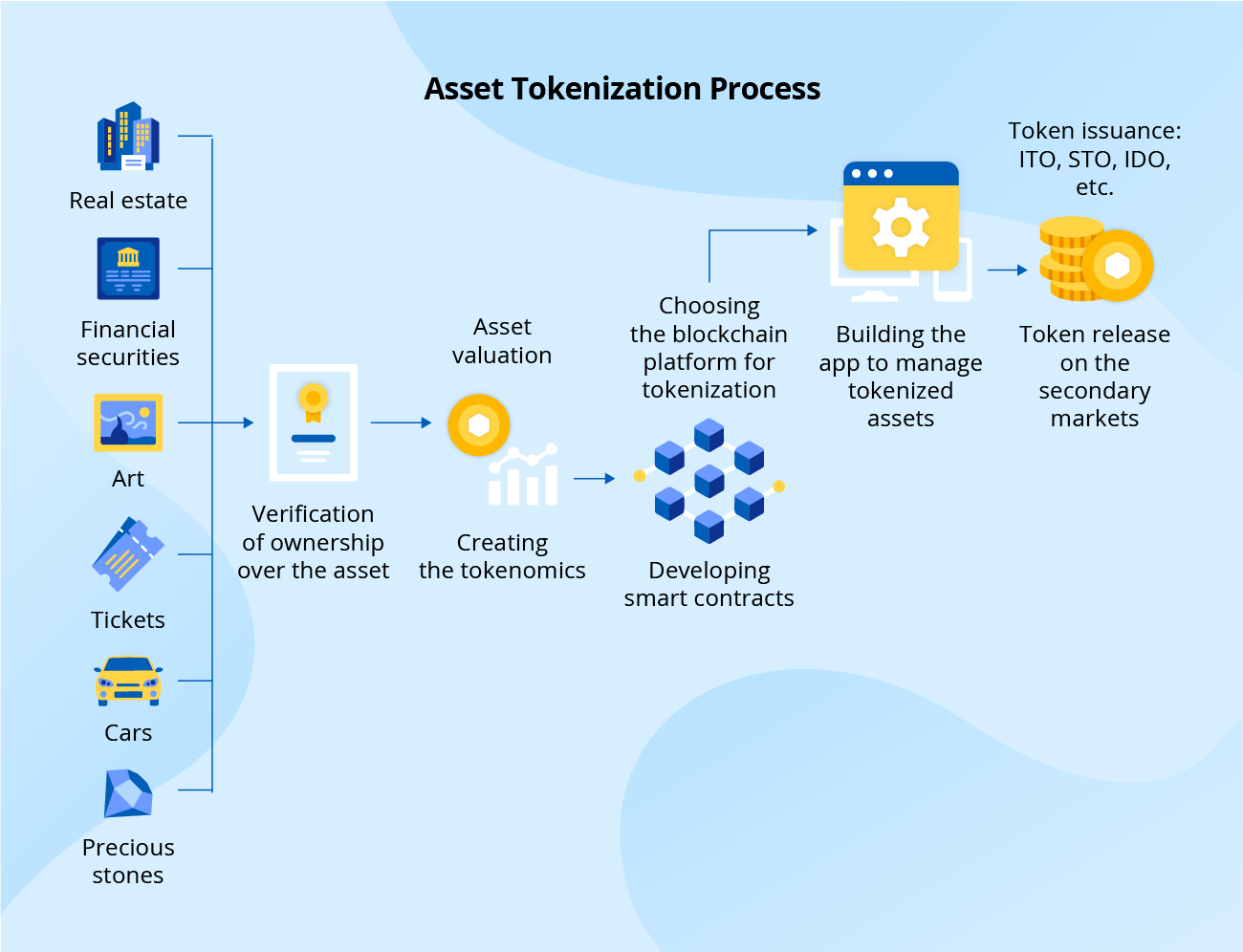
Build a front-end interface that allows users to connect their Web3 wallets (like MetaMask or Coinbase Wallet) or use account abstraction for seamless entry without a seed phrase. Display token balances clearly and provide one-click redemption options. The user experience must be as simple as entering an email address at checkout.
Release the program to a small segment of high-value customers. Monitor gas costs, transaction failures, and user feedback. Test the tradability features by allowing points to be swapped on a decentralized exchange if applicable. Use this data to refine the contract logic and user interface before a full public launch.
After setting up the infrastructure, ensure your team can manage the program effectively. Use this checklist to verify readiness.
Fix common mistakes
Tokenized loyalty programs often fail before they launch because teams replicate traditional database logic on-chain. This approach ignores the fundamental shift in how value moves. When rewards are tradable assets rather than closed-loop points, the user experience and technical architecture must change.
Assuming points translate directly to tokens. Traditional loyalty programs trap value within a single brand ecosystem. Tokenized programs, by contrast, introduce tradability, allowing customers to exchange, sell, or transfer rewards. If your implementation treats tokens like static points with no liquidity, you miss the primary retention driver. Users engage with tokenized assets because they hold real-world exchange value, not just redemption utility.
Ignoring gas friction in reward distribution. Distributing micro-rewards on a mainnet layer can be prohibitively expensive. A transaction fee that exceeds the reward value destroys the user experience. You must select a network with low transaction costs or use layer-2 scaling solutions. If the cost to claim a reward outweighs its benefit, users will abandon the program entirely.
Overlooking regulatory compliance. Loyalty tokens can be classified as securities depending on how they are marketed and traded. Assuming all digital assets are equivalent is a legal risk. You need to structure the tokenomics to ensure they function as utility assets rather than investment contracts. Consult legal experts early to define the token's purpose and restrict secondary trading if necessary.
Failing to integrate existing CRM systems. Blockchain data is immutable but often disconnected from your customer relationship management (CRM) tools. If your backend cannot reconcile on-chain transactions with off-chain customer profiles, you lose the ability to personalize offers. The technology should enhance, not replace, your existing customer data infrastructure.
Neglecting wallet onboarding. Requiring users to set up complex wallets before earning their first reward creates high friction. The best tokenized loyalty programs abstract the blockchain layer away from the end-user. Use account abstraction or sponsored transactions so users can participate without managing private keys or holding native gas tokens.
Tokenized loyalty programs 2026: what to check next
Before launching a Web3 rewards system, address these practical objections. The shift from static points to tradable digital assets changes how you manage retention and compliance.
No comments yet. Be the first to share your thoughts!