
Set clear retention goals first
Before writing a single line of smart contract code, you must define the specific business metric the tokenized loyalty program will target. Tokenized loyalty differs fundamentally from traditional points because tokens are tradable assets. This tradability changes customer behavior, allowing rewards to hold real-world value or be exchanged on secondary markets. You need to decide if your primary goal is increasing purchase frequency, enabling secondary market liquidity, or gathering richer data on user preferences.
The shift from static points to liquid tokens requires a different strategic lens. Research indicates that introducing tradability allows loyalty programs to enhance customer retention and firm profitability by giving rewards tangible utility beyond simple redemption. If your goal is merely to offer discounts, a traditional database suffices. However, if you aim to create an ecosystem where customers actively trade or hold rewards, you are building a financial instrument wrapped in a loyalty program.
Most brands fail because they try to do everything at once. They launch tokens hoping to boost engagement, improve retention, and gather data simultaneously. This dilutes the user experience and makes it impossible to measure success. Instead, pick one dominant objective. Are you using tokens to reduce churn by locking in long-term value? Or are you using them to drive immediate sales through limited-time offers? Your technical architecture and marketing messaging will depend entirely on this choice.
Heading into 2026, loyalty programs are under growing pressure to prove their impact. Traditional points-based systems are becoming less effective because they lack flexibility and perceived value. By setting a clear retention goal, you ensure that the complexity of blockchain technology serves a specific business need rather than becoming a gimmick. Start with the metric, then build the token around it.
Choose the right blockchain layer
Selecting the underlying blockchain layer is the first technical decision in building a tokenized loyalty program. Your choice dictates transaction costs, user onboarding friction, and the speed at which rewards are issued. For standard retail use cases, complexity should be avoided; the goal is seamless point accumulation, not cryptographic novelty.
The three most viable options for 2026 are Ethereum Layer 2s (like Arbitrum or Optimism), Polygon, and Solana. Each offers different trade-offs between decentralization, speed, and cost. Ethereum L2s provide robust security but require users to bridge assets. Polygon offers low fees and high compatibility with existing wallets. Solana provides extreme speed and negligible costs, though its wallet ecosystem is distinct.
The table below compares these layers based on the metrics that matter most for customer-facing loyalty apps: gas fees, finality time, and wallet compatibility.
| Blockchain Layer | Avg. Gas Fee | Finality Time | Wallet Compatibility |
|---|---|---|---|
| Ethereum L2 (e.g., Arbitrum) | $0.01–$0.10 | 1–2 seconds | High (MetaMask, Coinbase) |
| Polygon | <$0.01 | 2–3 seconds | Very High (MetaMask, Trust) |
| Solana | <$0.001 | 400–800 ms | Medium (Phantom, Solflare) |
For most retailers, Polygon or an Ethereum L2 is the safest starting point. These networks support the widest range of non-crypto-native users who already hold MetaMask or similar wallets. Solana is ideal if your primary metric is micro-transactions (e.g., earning points on every single click), but it requires a separate onboarding flow for users unfamiliar with Solana-specific wallets.
Avoid building on mainnet Ethereum. The gas fees ($5–$20 per transaction) will destroy your margin and frustrate users. Similarly, avoid private, permissioned chains unless you have a specific enterprise partner requirement; they create silos that defeat the purpose of tokenized interoperability.
Design the token utility and economy
Defining what a token actually does is the difference between a functional program and a digital paperweight. In 2026, customers expect loyalty points to behave like assets, not just internal ledger entries. This means moving beyond static point accumulation to a system where tokens have clear, immediate utility. You need to map out exactly how these tokens flow through your ecosystem and what they can purchase or unlock.
Start by establishing the primary utility. Will tokens serve as a direct currency for purchases, a gateway to exclusive content, or a voting mechanism for brand decisions? The most successful models, such as those analyzed in recent SSRN research on tokenized loyalty, show that tradability significantly boosts engagement. When users can exchange, sell, or leverage their rewards, they perceive higher value. However, you must balance this freedom with your business goals to prevent devaluation.
Next, structure the economy to prevent inflation. If your tokens are too easy to earn or too hard to spend, the system collapses. Define clear earning rates and spend caps. Consider implementing decay mechanisms or expiration policies that encourage active participation rather than hoarding. This creates a circular economy where tokens circulate back to the brand, sustaining long-term engagement. Avoid over-complicating the initial design; simplicity drives adoption.
Finally, ensure the token aligns with your broader loyalty trends. Hyper-personalization and real-time rewards are no longer optional. Your token utility should adapt to individual user behavior, offering dynamic rewards based on purchase history or engagement levels. This flexibility makes the program feel relevant and valuable, turning passive points into an active part of the customer experience.
Integrate smart contracts for automation
Smart contracts replace traditional points databases with programmable logic, allowing you to handle issuance, transfer, and redemption automatically. This shift reduces operational overhead and minimizes fraud risk by removing the need for manual reconciliation or centralized ledger updates.
To implement this, follow the technical flow from user action to final ledger update.
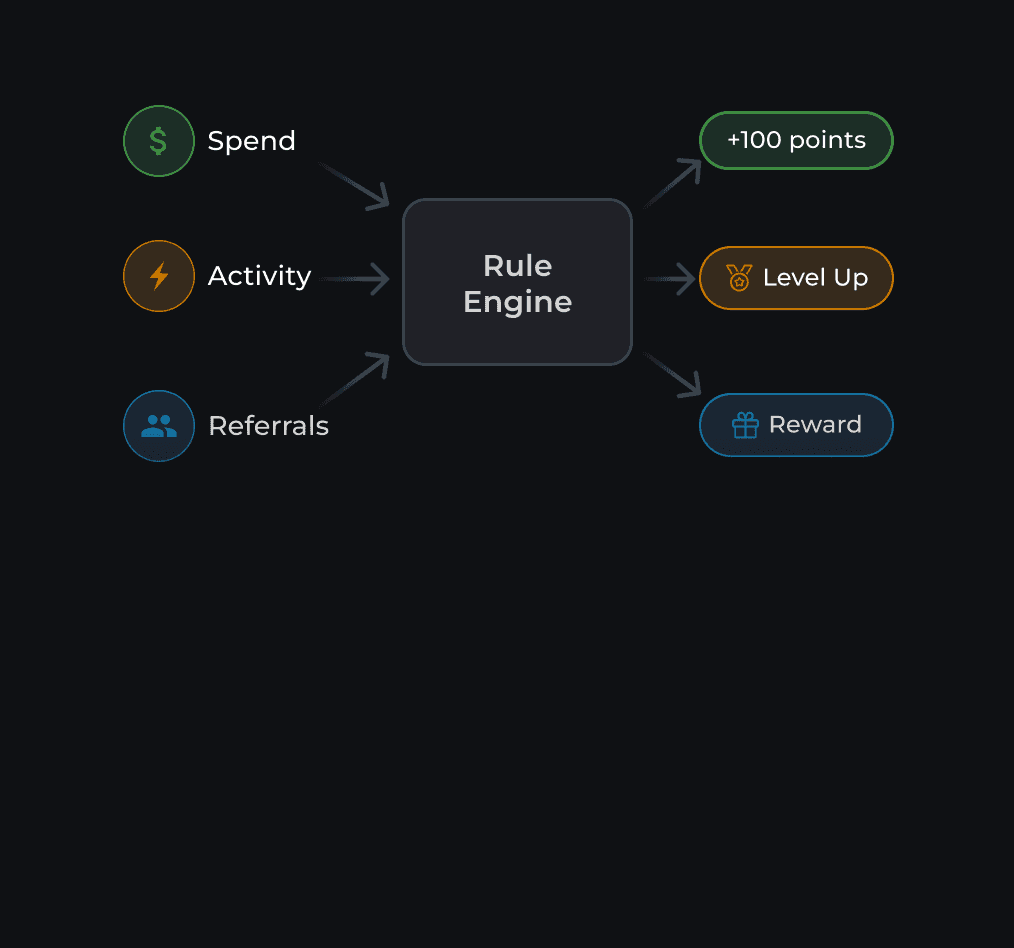
Map customer actions to specific contract functions. When a user completes a purchase or engages with a brand partner, the smart contract automatically mints the corresponding loyalty tokens to their wallet. This ensures instant, transparent reward distribution without waiting for batch processing.
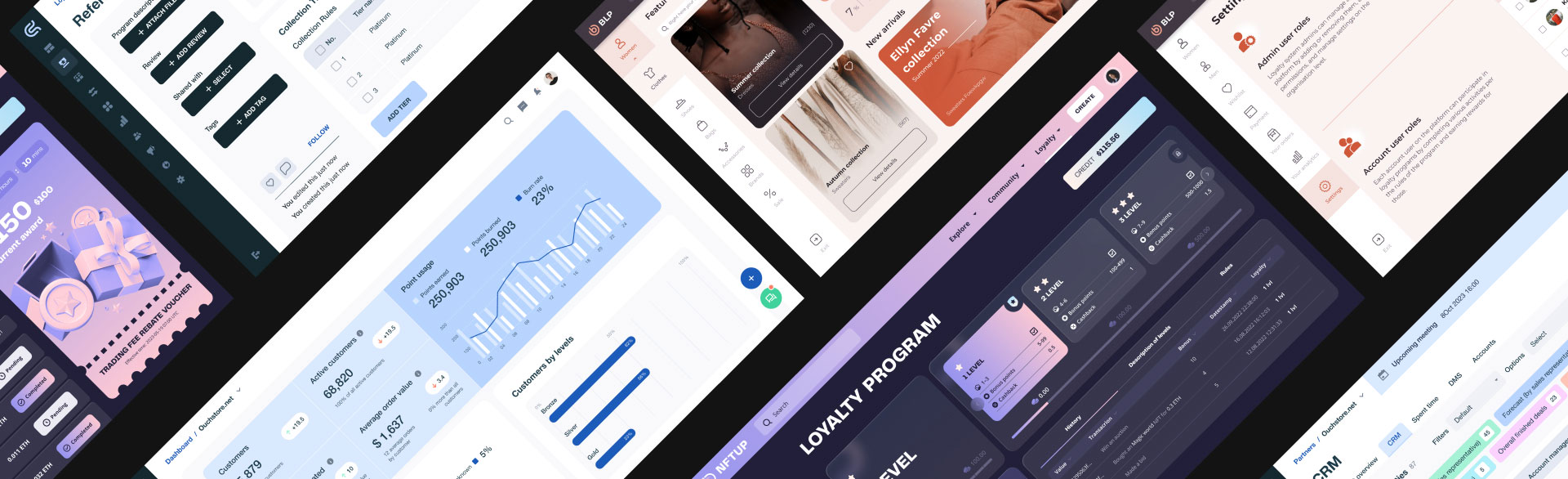
Set up rules for how tokens move between wallets. Smart contracts can enforce transferability limits, expiration dates, or burn mechanisms. By encoding these constraints directly into the token standard, you prevent unauthorized transfers and ensure that points are only used for their intended purposes.
Link redemption events to merchant point-of-sale systems or digital interfaces. When a customer chooses to pay with points, the contract verifies the balance and executes the transfer or burn in a single transaction. This eliminates the friction of manual voucher codes and reduces administrative errors.
Every issuance, transfer, and redemption is recorded on the blockchain. This creates a permanent, auditable history that both the business and the customer can verify. The transparency builds trust and simplifies compliance reporting, as every point’s lifecycle is visible and tamper-proof.
Address regulatory compliance early
Building a tokenized loyalty program in 2026 requires treating legal infrastructure as a core feature, not an afterthought. If your tokens hold value, can be traded, or offer profit expectations, regulators may classify them as securities. This classification triggers strict registration and disclosure requirements that can stall your launch or result in heavy fines.
Start by mapping your token’s economic function. Is it a closed-loop voucher redeemable only for specific goods, or does it trade on secondary markets? Closed-loop systems generally face lighter scrutiny, while open-loop tokens invite the full weight of securities law. In the United States, the Howey Test is the primary benchmark for determining if an asset is an investment contract. Understanding this framework helps you design tokens that remain utility-focused rather than investment-focused.
Next, integrate KYC (Know Your Customer) and AML (Anti-Money Laundering) protocols directly into the user onboarding flow. Even if your program targets consumers, token transfers can attract bad actors seeking to launder funds. Implementing identity verification at the wallet level or through a centralized exchange bridge ensures you meet financial crime standards. This step also protects your brand from association with illicit activity.
Finally, address tax implications for both your business and your users. In many jurisdictions, receiving or trading crypto-loyalty tokens is a taxable event. Clear communication about tax liability reduces user friction and support tickets. Document your compliance decisions thoroughly. If regulators question your program later, you need proof that you acted in good faith to follow the law.
Launch and measure program performance
Launching your tokenized loyalty program is only the beginning. The real work starts when you track how users interact with your tokens. Unlike traditional points, tokens move. They trade, they sit idle, and they get redeemed. You need to watch these movements closely to know if your program is working.
Track active wallet holders
Don't just count sign-ups. Count active wallets. An active wallet holder is someone who has connected their wallet and performed at least one meaningful action—earning, spending, or transferring tokens. This number tells you if your onboarding actually worked. If you see many wallets but low activity, your user experience is likely too friction-heavy.
Monitor token velocity
Token velocity measures how quickly tokens change hands. High velocity suggests people are using your rewards for real value. Low velocity means tokens are gathering dust. Aim for a balance. If velocity is too high, you might be burning through your supply too fast. If it’s too low, your rewards aren’t compelling enough.
Measure redemption rates
Redemption is the ultimate proof of value. Track how many users convert their tokens into rewards or cash. A low redemption rate signals that your rewards catalog is irrelevant or the process is too complex. Use this data to iterate. If specific rewards aren’t moving, swap them out.
-
Smart contract audit complete
-
Wallet onboarding tested
-
Legal review signed off
-
Marketing assets ready
Iterate based on data
Use these metrics to tweak your program. Adjust token earn rates, refresh reward catalogs, or simplify the claim process. Tokenized loyalty programs allow for real-time adjustments that traditional programs can’t match. Keep testing. Keep measuring. Keep improving.
No comments yet. Be the first to share your thoughts!