
Define your token utility model
Before writing a single line of code, you must decide what the token actually does. A tokenized loyalty program fails when the token is treated as a speculative asset rather than a functional tool. Your primary keyword focus is building a tokenized loyalty program that drives actual retention, not trading volume.
Start by categorizing your token into one of three clear utility models. This decision dictates your technical architecture, regulatory compliance, and user experience.
Currency: The Direct Reward
Treat the token like a digital gift card. Users earn tokens for purchases and spend them on future goods or services within your ecosystem. This model is the most straightforward and aligns with traditional points systems, but with the added benefits of blockchain transparency and potential interoperability.
The goal here is frictionless redemption. If users have to exchange tokens for fiat or navigate complex external markets to use their rewards, retention drops. Keep the utility internal. Starbucks Rewards succeeded because the "stars" were immediately useful for buying coffee. Your token should offer the same immediate, tangible value.
Governance: The Voice
Give token holders voting rights on specific business decisions. This could include choosing new product features, selecting charity partners, or voting on community events. This model works best for brands with strong, engaged communities who feel emotionally invested in the company’s direction.
Governance tokens create a sense of ownership. However, they require active engagement to remain relevant. If no one votes, the token becomes a digital receipt with no power. Ensure your governance proposals are frequent, low-friction, and genuinely impactful to keep participants active.
Tiered Access: The Key
Use the token as a gatekeeper for exclusive experiences, early access to products, or premium support. Unlike currency, these tokens might not be spent but held to maintain status. This model leverages scarcity and prestige to drive long-term loyalty.
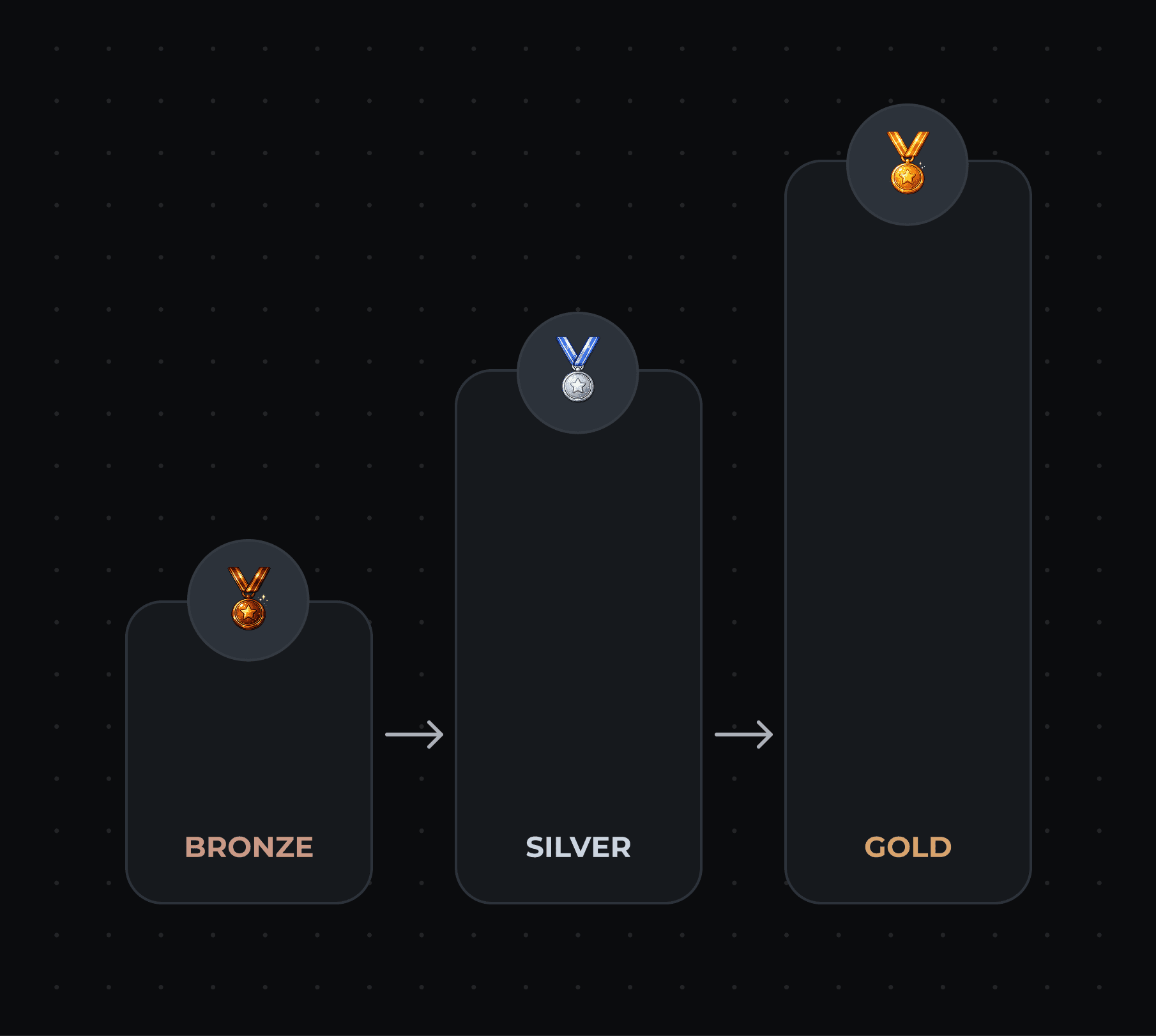
Think of this as a digital membership card. Holding the token signals trust and commitment. It allows you to segment your customer base more precisely than traditional points tiers, offering high-value perks to your most dedicated advocates without diluting the brand for casual users.
Choose the model that best fits your brand’s interaction with customers. A coffee shop might prefer currency; a tech brand might prefer governance; a luxury brand might prefer tiered access. You can also combine models, but clarity is essential. Users should never have to guess why they earned a token or how to use it.
Compare Layer 1 vs. Layer 2 and Public vs. Permissioned Chains
Choosing the right blockchain infrastructure requires balancing transaction costs, speed, and regulatory control. For a 2026 launch, Layer 2 (L2) solutions and permissioned chains typically offer the best fit for enterprise loyalty programs due to lower fees and better compliance capabilities.
Layer 1 networks like Ethereum provide maximum security but suffer from high gas fees and slower throughput, which can frustrate users earning small rewards. Layer 2 solutions, such as Polygon or Arbitrum, settle transactions on top of the main chain while keeping costs near zero. This makes them ideal for high-frequency micro-transactions, such as points redemptions or tier upgrades.
Public chains offer transparency but expose sensitive customer data. Permissioned chains, like Hyperledger Fabric, restrict access to verified participants, ensuring that loyalty data remains private while still leveraging blockchain immutability. Most enterprise loyalty programs in 2026 are moving toward hybrid models or permissioned L2s to satisfy both transparency and privacy requirements.
The table below compares three common infrastructure options for loyalty programs based on key operational metrics.
| Network | Avg. Gas Fee | TPS | Compliance Fit |
|---|---|---|---|
| Ethereum L1 | $2-$10 | 15-30 | Low |
| Polygon L2 | <$0.01 | ~7,000 | Medium |
| Hyperledger | Negligible | ~100-1000 | High |
| Arbitrum L2 | <$0.05 | ~40-100 | Medium |
Design the earning and burning mechanics
The success of a tokenized loyalty program depends on the balance between how customers earn tokens and how they spend them. If you issue tokens too freely, inflation devalues the reward. If you make it too hard to spend them, customers disengage. You need clear rules that keep the token’s value stable while encouraging repeat purchases.
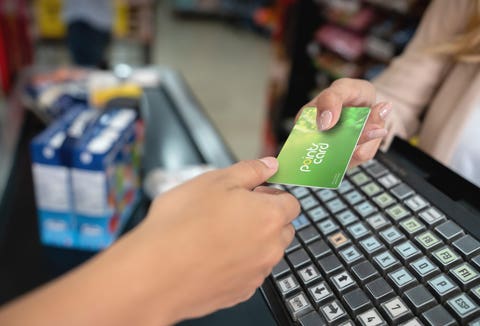
Define exactly how many tokens a customer earns per dollar spent. Start with a simple ratio, such as 10 tokens for every $1. This creates a predictable value perception. You can adjust this ratio based on your profit margins, but keep the math transparent so customers understand the exchange rate between fiat and tokens.
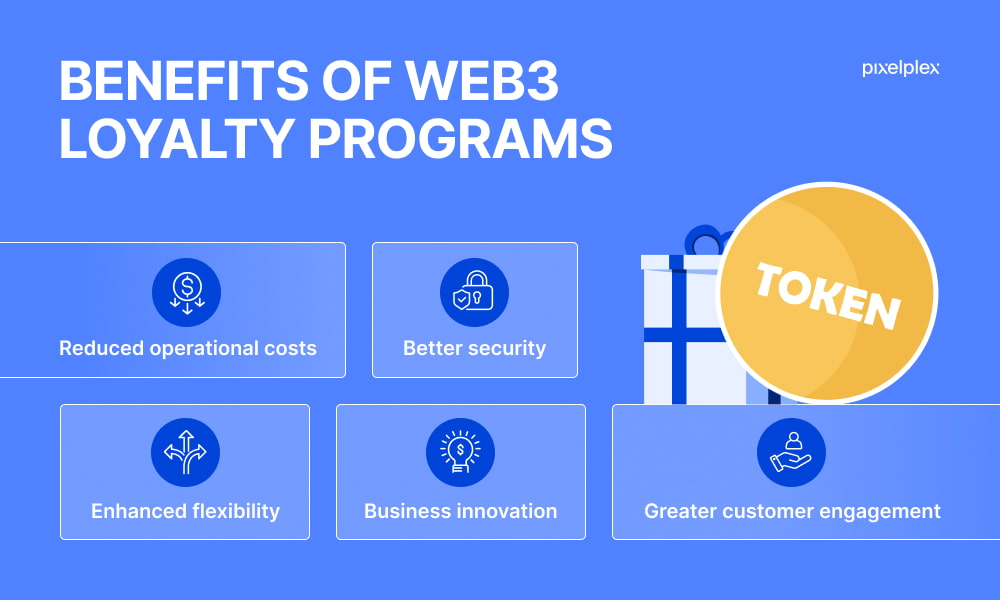
Determine what tokens can buy. Will they cover full purchases, partial discounts, or exclusive experiences? Clear burn conditions prevent confusion. For example, allow 100 tokens to redeem for a $10 discount. This creates a fixed "price" for the token in your ecosystem, making it easier to manage the total supply and demand.
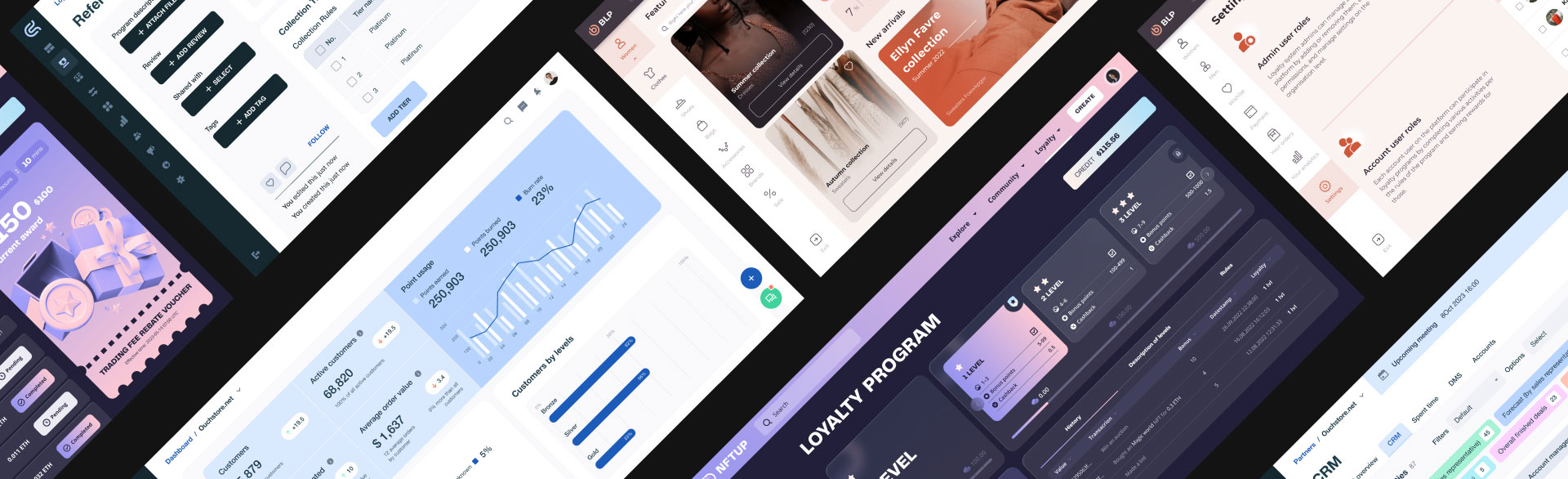
To prevent token hoarding, set an expiration date or a decay rate. If tokens expire after 12 months, customers are more likely to spend them rather than let them sit idle. This keeps the velocity of money high within your program. It also ensures that your liability on the balance sheet doesn’t grow indefinitely with unused points.
Unlike traditional points, tokens can often be traded. Decide if users can sell tokens to other users or buy them from you. This adds liquidity and value, but it requires careful monitoring. If the secondary market becomes too active, it might undermine your direct sales strategy. Limit tradability if you want to keep the focus on your own products.
Balancing these mechanics requires constant monitoring. Track how many tokens are minted versus how many are burned. If the supply grows too fast, increase the earning threshold. If engagement drops, lower the burn cost. This dynamic adjustment keeps the program healthy and valuable for both you and your customers.
Integrate AI for hyper-personalized rewards
Traditional points systems treat every customer the same. AI changes that by analyzing token holder behavior in real time, turning static balances into dynamic, personalized offers. When you integrate AI into your tokenized loyalty program, you shift from broadcasting generic incentives to delivering context-aware rewards that match individual spending habits and engagement levels.
The goal is to increase retention by making rewards feel relevant rather than obligatory. Instead of waiting for a customer to reach a specific tier, AI models can predict when a user is at risk of churning and trigger a targeted bonus before they leave. This proactive approach relies on clean data and clear logic, ensuring that the tokens issued have actual value to the recipient.
1. Define behavioral triggers
Start by identifying the specific actions that signal high value or potential disengagement. Common triggers include a drop in transaction frequency, a change in purchase category, or a long period of inactivity. Map these behaviors to specific token rewards. For example, if a user typically buys coffee but hasn’t visited in 30 days, the system might offer double tokens on their next visit to re-engage them.
2. Build the recommendation engine
Connect your loyalty platform to an AI model that can process historical transaction data alongside real-time market trends. The model should evaluate each token holder’s profile to predict which reward types they are most likely to redeem. This isn’t just about offering discounts; it’s about offering experiences or products that align with the user’s demonstrated preferences, increasing the perceived value of the token.
3. Automate dynamic offer delivery
Once the model identifies a match, automate the delivery of the personalized offer. This can happen via email, push notification, or directly within the user’s token wallet dashboard. The key is timing. The offer should appear when the user is most likely to act, such as right after a related purchase or during a seasonal peak. Automation ensures consistency and allows you to scale personalization without manual intervention.
4. Measure and refine
Track the redemption rates and retention metrics for AI-driven offers compared to standard campaigns. Use this data to fine-tune your triggers and reward values. If certain token holders consistently ignore personalized offers, adjust the algorithm to weight different behavioral signals more heavily. Continuous refinement ensures that your AI remains accurate and that your token program evolves with changing customer expectations.
Ensure regulatory compliance and security
Tokenized loyalty programs sit at the intersection of customer rewards and financial regulation. Treat compliance not as a final checkpoint, but as a foundational layer of your architecture. Skipping early legal review exposes your brand to securities laws and anti-money laundering (AML) violations that can halt your entire program.
Verify token classification early
Before writing a single line of code, determine if your loyalty tokens are considered securities. This distinction varies by jurisdiction and depends on how the token is marketed and what expectations it creates for profit. If your token functions as an investment contract, you must register it or find an applicable exemption. Misclassifying a reward token can lead to severe penalties and program shutdowns.
Implement KYC/AML checks
If your program allows secondary trading or high-value transfers, you must integrate Know Your Customer (KYC) and Anti-Money Laundering (AML) protocols. This prevents bad actors from using your loyalty points to launder money. You can either build these checks into your smart contract’s minting function or use a compliant third-party identity provider. Ensure your data privacy policies align with GDPR or CCPA requirements, as you will be collecting sensitive user data.
Audit smart contracts rigorously
Smart contracts are immutable; once deployed, bugs cannot be fixed without a complex migration. Hire a reputable third-party auditor to review your code before mainnet deployment. Look for common vulnerabilities like reentrancy attacks or integer overflows. Consider a bug bounty program to incentivize white-hat hackers to find flaws. A single exploit can drain your loyalty pool and destroy customer trust permanently.
Maintain ongoing monitoring
Regulatory landscapes shift rapidly. Establish a compliance calendar to review your program against new laws and standards. Keep your audit reports accessible to stakeholders and be prepared to update your smart contracts if regulatory guidance changes. Proactive monitoring is cheaper than reactive litigation.
Launch and measure retention metrics
After deploying your tokenized loyalty program, the work shifts to monitoring performance. Unlike traditional points systems that sit idle, tokenized rewards circulate. Your goal is to ensure this circulation drives actual business value, not just speculative trading. Focus on three core metrics: token velocity, active wallet rates, and repeat purchase frequency.
Token velocity measures how quickly holders exchange their rewards for goods or services. High velocity indicates strong engagement and utility. If tokens sit dormant in wallets, your program fails to stimulate spending. Monitor this metric weekly to adjust reward structures or introduce expiration mechanisms that encourage redemption.
Active wallet rates track unique addresses interacting with your program. This number reflects genuine customer adoption rather than bot activity or single-use accounts. A steady increase in active wallets suggests your onboarding process is effective. If this metric plateaus, review your wallet integration flow and customer support training to remove friction points for new users.
Repeat purchase frequency measures how often active customers return to redeem rewards. This is the ultimate indicator of loyalty program success. Correlate redemption events with total sales volume to determine if tokenized rewards are driving incremental revenue or simply replacing existing spend.
Before going live, verify that your infrastructure can handle these metrics accurately. Use the following checklist to ensure technical readiness and operational stability.
-
Perform smart contract audit for security vulnerabilities
-
Test wallet integration with major providers (MetaMask, Coinbase Wallet)
-
Train customer support on token redemption troubleshooting
-
Set up real-time dashboard for token velocity and active wallets
-
Define KPI thresholds for retention and redemption rates
Common questions about tokenized loyalty
Tokenized loyalty programs are shifting from simple points accumulation to dynamic, blockchain-backed ecosystems. As we move into 2026, the focus is on hyper-personalization and real-time rewards that actually retain customers. Below are the most frequent questions about building and scaling these programs.
How will loyalty programs change in 2026?
Traditional points-based systems are losing effectiveness because they lack flexibility and perceived value. In 2026, successful programs will use tokenization to offer hyper-personalized, real-time rewards. This shift allows brands to move away from static points and toward dynamic incentives that adapt to individual customer behavior instantly.
What are the top loyalty trends in 2026?
The most successful loyalty ecosystems now prioritize meaningful interactions and community building over transactional points. According to recent industry analysis, 86% of customer experience professionals agree that loyalty is becoming a critical business metric. Tokenized programs support this by creating extended ecosystems where rewards hold tangible utility across different platforms.
Who is leading tokenization in this space?
Several companies are setting the standard for compliant, scalable tokenization solutions. Leaders like Securitize, tZERO, and RealT are providing the infrastructure needed to manage tokenized assets securely. These platforms enable brands to launch loyalty tokens that are not only transparent but also legally compliant, reducing the regulatory risk often associated with digital rewards.
What makes a loyalty program truly successful?
While many brands adopt tokenization, the most successful programs share common traits: they offer personalized benefits and create engaging experiences. Take Starbucks Rewards, for example. With nearly 30 million members, it succeeds by combining personalized offers with gamified elements like exclusive games and cash pre-loading. Tokenized programs aim to replicate this level of engagement with greater ownership and portability for the user.
No comments yet. Be the first to share your thoughts!