
Get tokenized loyalty programs 2026 right
Before launching a tokenized loyalty program, you need to clear three structural hurdles: regulatory classification, token design, and user onboarding. Skipping these steps often leads to compliance violations or abandoned wallets. The goal in 2026 is not just to issue tokens, but to ensure they function as a retention tool without becoming a regulatory burden.
1. Classify the token correctly
Not all tokens are created equal. Determine if your reward points will be utility tokens (redeemable only within your ecosystem) or security tokens (offering potential financial gain). Utility tokens generally face fewer restrictions, while security tokens require strict adherence to securities laws. Misclassifying a token can lead to heavy fines. Consult legal counsel early to define the token’s nature clearly.
2. Design for tradability and utility
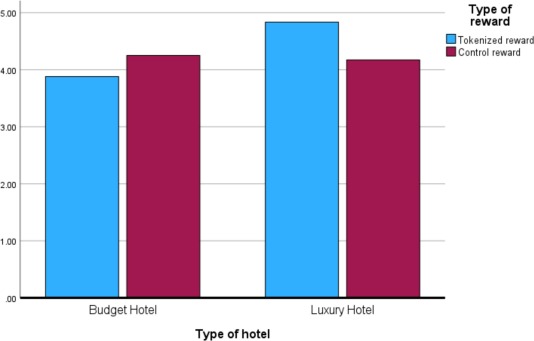
According to recent research, the value of tokenized loyalty programs lies in their tradability. Allow users to swap, sell, or gift tokens to increase engagement. However, balance this with utility: ensure tokens can be redeemed for tangible rewards. A token that cannot be spent easily will lose value quickly. Design a closed-loop economy where redemption is seamless.
3. Simplify wallet onboarding
The biggest barrier to adoption is complex wallet setup. Integrate non-custodial wallet solutions that abstract away private keys. Users should be able to join using email or social login, with blockchain interactions happening in the background. If onboarding takes more than two minutes, you will lose most of your customers.
Work through the steps
Building a tokenized loyalty program requires moving from traditional point ledgers to on-chain assets that customers can actually trade or use across partners. This shift demands careful planning around token standards, regulatory compliance, and user experience. Follow these steps to launch a functional Web3 rewards system.
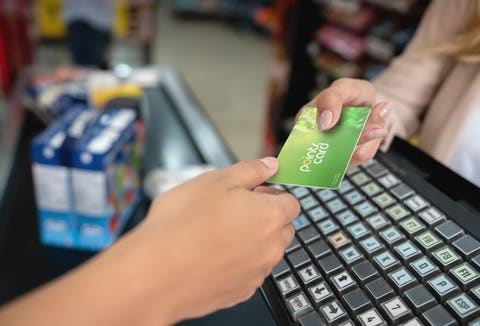
Start by choosing the right blockchain standard. ERC-1155 is the industry preference for loyalty because it supports both fungible tokens (like points) and non-fungible tokens (like tier badges) in a single contract. ERC-20 works for simple, interchangeable points, while ERC-721 is better for unique, high-value collectibles. Avoid creating separate contracts for each reward type; a multi-token standard simplifies management and reduces gas fees.
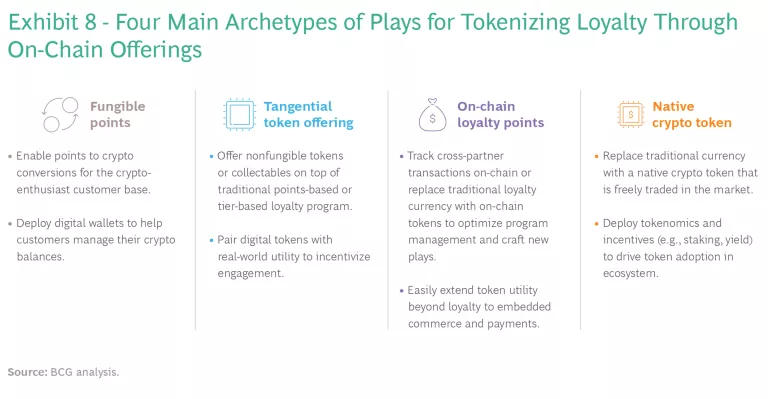
Determine if your tokens are transferable. Transferable tokens increase customer value by allowing them to sell or gift points, but they introduce regulatory complexity. If you allow trading, you must implement compliance layers like whitelisting or KYC checks to prevent money laundering. For non-transferable tokens, use a burn mechanism or on-chain restrictions to ensure points remain within your ecosystem, simplifying legal compliance.
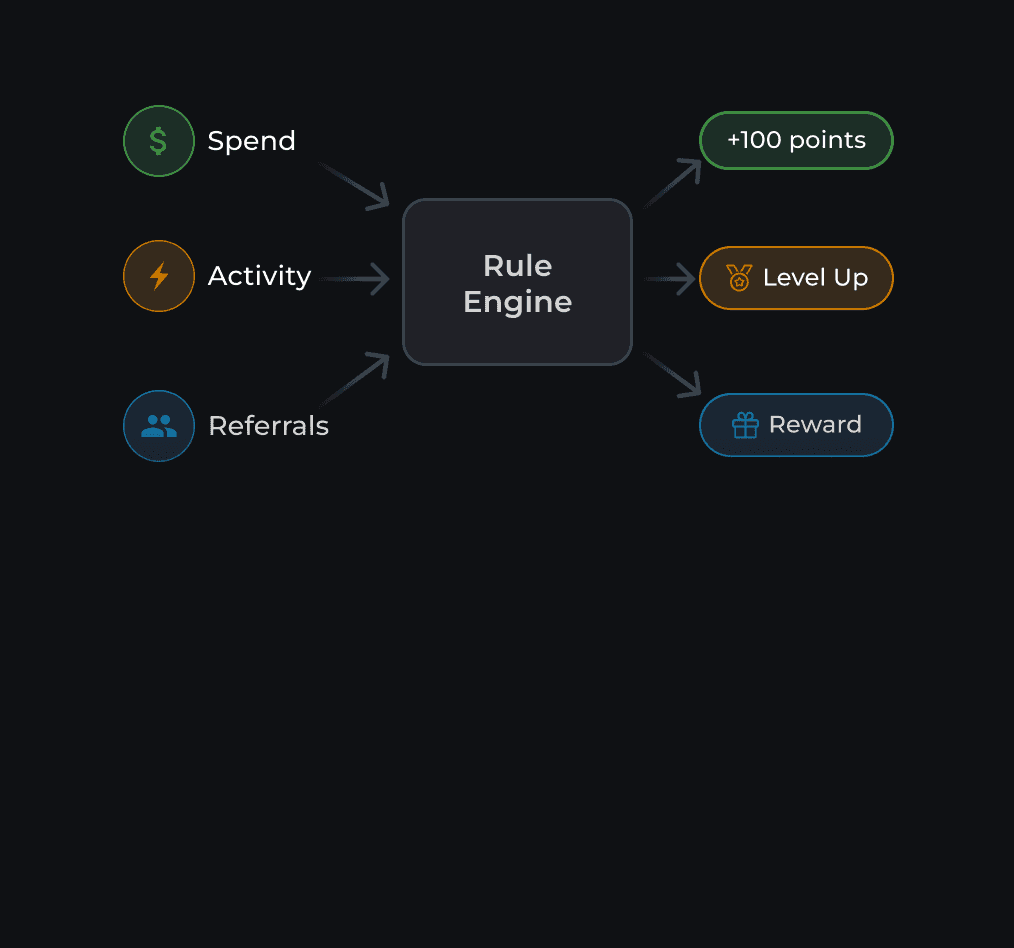
Customers cannot use rewards if they cannot access them. Integrate with popular wallet providers like MetaMask, Coinbase Wallet, or Rainbow. For mainstream audiences, consider account abstraction (ERC-4337) to allow sign-ups via email or social login, hiding the complexity of seed phrases. Ensure your frontend can read token balances and trigger transactions smoothly, providing real-time feedback on reward accruals.
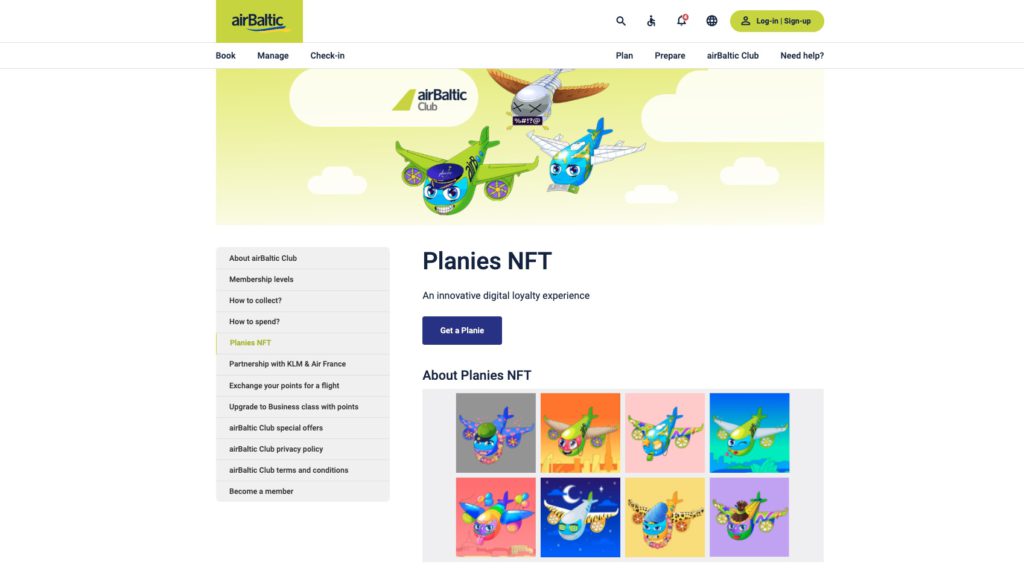
Create a clear path for customers to spend their tokens. This could be a direct exchange for products on your site, a partnership with other brands for cross-redemption, or a liquidity pool on a decentralized exchange (DEX) if tokens are tradable. Partner with a liquidity provider to ensure customers can always convert points to fiat or stablecoins if desired, preventing the "zombie balance" problem where points become worthless.
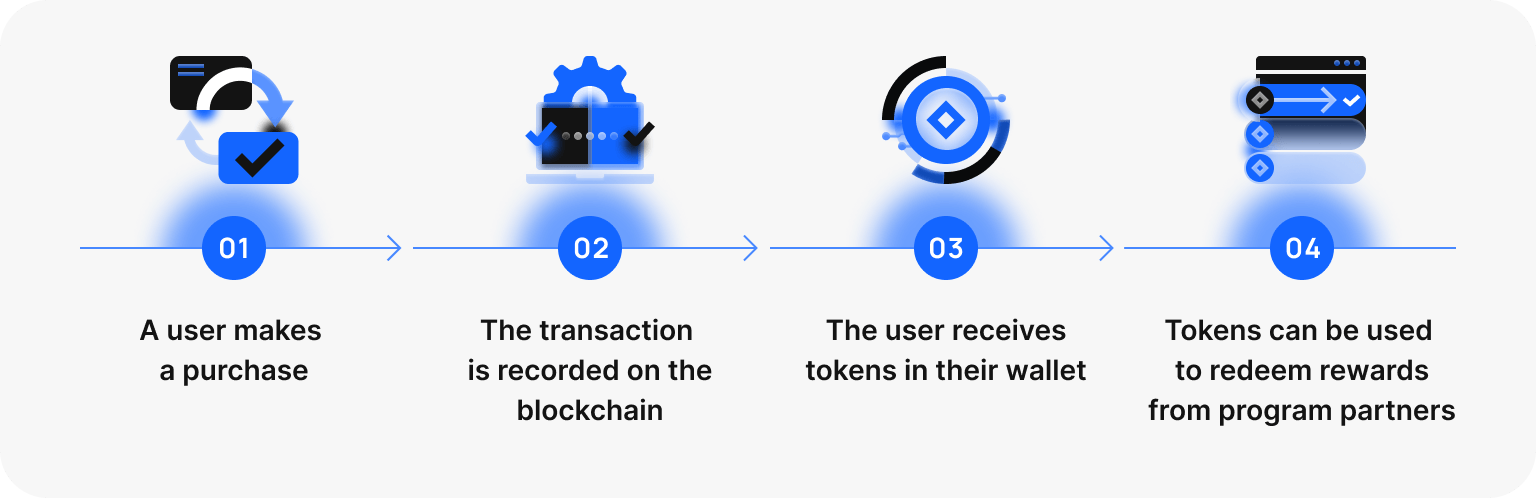
Before launching, have your smart contract audited by a reputable firm. Loyalty programs handle customer assets and data; a vulnerability can lead to theft or legal liability. Test edge cases like batch transfers, balance updates, and permission changes. Use testnets to simulate user behavior and ensure the gas costs for transactions are acceptable for your target audience.
Roll out the program to a small group of loyal customers first. Monitor transaction success rates, user feedback, and support tickets. Adjust the tokenomics or user interface based on real-world usage. Once stable, open the program to the public, marketing the new tradability and ownership features to drive adoption.
Common Mistakes in Tokenized Loyalty Programs
Building a tokenized loyalty program is less about the blockchain and more about customer behavior. When brands treat tokens like simple points with a crypto wrapper, they often create friction that drives users away. Below are the most frequent errors that undermine retention and how to avoid them.
Treating Tokens as Direct Currency
A major pitfall is designing tokens that function exactly like cash or stablecoins. While tradability is a key feature of tokenized loyalty (as noted by Hu, 2025), allowing immediate cash-out often triggers regulatory scrutiny and undermines the loyalty loop. If users can instantly convert points to fiat, they have no incentive to return to your ecosystem. Instead, design tokens that offer utility within your brand or a curated partner network. This preserves the "stickiness" of the program while still offering the perceived value of ownership.
Ignoring Regulatory Classification
Many brands fail to distinguish between a loyalty token and a security. If your token promises profit or is heavily tied to the company's financial performance, it may be classified as a security by regulators like the SEC. This mistake can lead to significant legal costs and program shutdowns. Before launching, conduct a clear legal review. Structure the token as a utility asset with clear, non-financial benefits, such as exclusive access, discounts, or governance rights within the community, rather than investment returns.
Overcomplicating the User Experience
Blockchain interfaces remain a barrier for mainstream consumers. If users must manage private keys, gas fees, or complex wallets to redeem a simple reward, adoption will stall. The best tokenized loyalty programs hide the complexity. Use account abstraction or sponsored transactions so users don't see gas fees. Ensure the redemption process feels as simple as entering a promo code. If the technical friction outweighs the reward value, customers will abandon the program for traditional, simpler alternatives.
Neglecting Token Economics
Launching a token without a clear supply and demand model is a recipe for inflation. If you mint too many tokens without a mechanism to burn or lock them, the value of rewards drops, and customer trust erodes. Design a deflationary or balanced economy where tokens are earned through meaningful engagement and spent on desirable rewards. Regularly audit the token velocity to ensure the program remains financially sustainable for your business while maintaining value for the user.
Failing to Integrate with Existing Systems
Tokenized loyalty must connect with your current CRM and point-of-sale systems. Siloed data prevents personalized offers and seamless redemption. If a customer has to log into a separate blockchain explorer to check their balance, you have broken the user journey. Integrate token balances directly into your existing app or website. This allows you to use traditional marketing tools to drive engagement with the new tokenized assets, creating a unified customer experience.
Tokenized loyalty programs 2026: what to check next
You are likely weighing whether the technical shift to blockchain rewards is worth the implementation effort. These answers address the most common practical objections regarding market leadership, investment viability, and specific industry applications like aviation.
Helpful gear
Use these product recommendations as a starting point, then choose the size, material, and price point that fit how you actually use the gear.


As an Amazon Associate, we may earn from qualifying purchases.
No comments yet. Be the first to share your thoughts!