
Why tokenized loyalty programs matter now
The traditional loyalty model is hitting a ceiling. Static points systems function like closed-loop coupons: they are non-transferable, illiquid, and often perceived by consumers as having diminishing value. Tokenized loyalty programs disrupt this dynamic by converting points into fungible digital assets. This shift moves rewards from a passive accounting entry to an active financial instrument.
By issuing loyalty points as tokens, brands unlock immediate liquidity for their customers. Unlike traditional miles that sit idle in an account, tokenized rewards can be traded, sold, or swapped on secondary markets. This tradability fundamentally changes the consumer psychology around retention. When a reward has a real-time market value, it commands the same attention as cash or crypto holdings.
The business impact is measurable. Research from ScienceDirect indicates that tokenized rewards significantly increase booking intentions in the hospitality sector. The ability to trade points creates a secondary utility that traditional programs cannot match, driving higher engagement and reducing churn. Companies are no longer just selling products; they are issuing assets that customers want to hold.
This transition requires a technical infrastructure capable of handling blockchain transactions securely. However, the return on investment is clear: brands that adopt tokenization are positioning themselves at the intersection of retail and fintech, capturing value in a way that legacy systems simply cannot.
Cross-brand ecosystems and liquidity
Traditional loyalty programs operate as closed silos. Points issued by one brand are trapped within that specific ecosystem, creating friction for consumers who must accumulate value across multiple platforms to reach redemption thresholds. This fragmentation limits the addressable market for retention and reduces the perceived utility of rewards. Blockchain technology dismantles these barriers by replacing proprietary points databases with tokenized digital assets governed by smart contracts.
When rewards are tokenized on a public ledger, they gain interoperability. A token issued by an airline can be transferred, traded, or redeemed with any other brand that chooses to accept it. This shift transforms loyalty points from static liabilities into liquid assets. Consumers can move value freely between partners, effectively creating a larger, shared economy where retention efforts benefit from network effects rather than isolated customer bases.
The following comparison highlights the structural differences between legacy systems and tokenized models:
| Feature | Traditional Points | Tokenized Rewards |
|---|---|---|
| Liquidity | Locked to issuing brand | Transferable across partners |
| Transferability | Non-transferable or restricted | Peer-to-peer or marketplace |
| Redemption Scope | Single-brand catalog | Multi-brand or external markets |
| Transparency | Opaque backend ledgers | Public blockchain verification |
This liquidity creates a new dynamic for retention. Brands are no longer competing solely on the volume of points offered but on the utility and acceptance of the token. As more partners join the network, the value of holding these assets increases, creating a sticky ecosystem that is harder for consumers to leave. The market is beginning to reflect this potential, with related digital asset classes showing volatility and growth trajectories that suggest increasing institutional and consumer interest in programmable value.
Implementing tokenized rewards systems
Successful implementation requires moving beyond theoretical benefits to practical deployment constraints. Start with the reader's actual constraint, then separate must-have requirements from details that are merely nice to have. A practical choice should survive normal use, maintenance, timing, and budget. If a recommendation only works in an ideal situation, call that out plainly and give the reader a fallback path.
-
Verify the basicsConfirm the core specs, condition, and fit before comparing extras.
-
Price the downsideLook for the repair, maintenance, or replacement cost that would change the decision.
-
Compare alternativesCheck at least two comparable options before treating one listing as the benchmark.
Tradability and customer engagement
Tradability is the core differentiator of tokenized loyalty. It transforms a static benefit into a liquid asset, directly impacting customer engagement metrics. When customers perceive their points as tradable assets, engagement shifts from passive accumulation to active management. This section outlines the operational requirements to support this shift.
Common Implementation Pitfalls
Tokenized loyalty programs promise seamless cross-platform engagement, but the path to deployment is littered with technical and regulatory obstacles. Brands often underestimate the friction introduced by wallet management and the complexity of compliance frameworks. Without a clear roadmap, these programs can fail to retain customers rather than engage them.
Wallet Friction and User Experience
The biggest barrier to adoption is the user experience. Requiring customers to manage private keys or navigate complex wallet interfaces creates significant drop-off points. If the onboarding process is not invisible, the "seamless" promise of tokenization becomes a liability. Brands must prioritize user-friendly abstractions that hide the underlying blockchain complexity.
Regulatory and Compliance Risks
Navigating the regulatory landscape is another critical hurdle. Depending on the token structure, programs may fall under securities laws, money transmission regulations, or consumer protection statutes. Failing to properly classify tokens can lead to severe legal consequences. Companies must work closely with legal experts to ensure their tokenomics comply with local and international laws.
Technical Integration Challenges
Integrating blockchain infrastructure with existing loyalty management systems is technically demanding. Legacy systems often lack the APIs or data structures needed to handle real-time token transactions. This integration gap can lead to data inconsistencies, delayed rewards, and a fragmented customer experience. Robust middleware solutions are essential to bridge this divide.
Tokenized loyalty implementation checklist
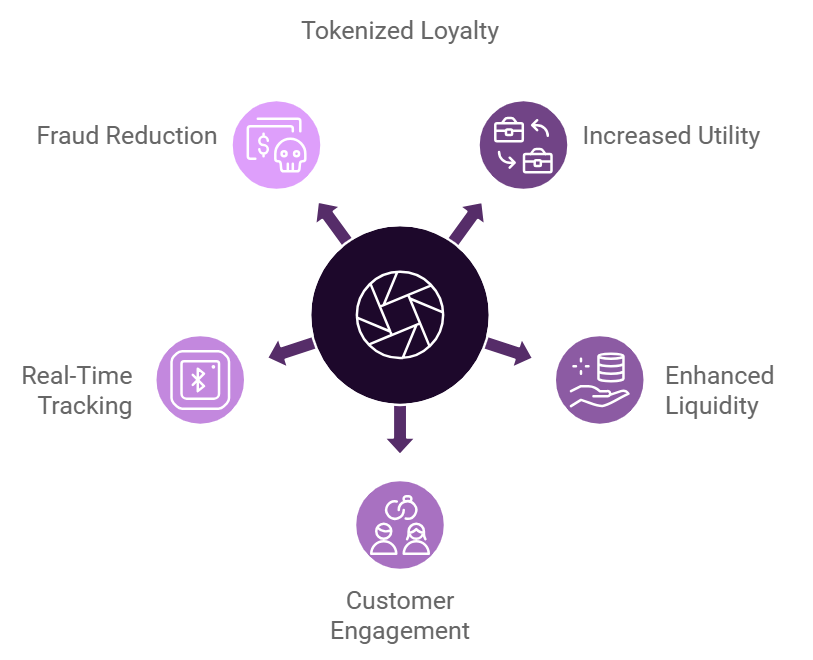
Before launching a tokenized loyalty program, evaluate your infrastructure against these operational requirements. Traditional points databases rely on closed silos, whereas tokenized systems replace them with fungible digital assets and smart contracts on a blockchain. This shift introduces tradability, allowing customers to exchange points with others or for cash, which fundamentally changes customer engagement dynamics.
Use this ordered sequence to assess your readiness for deployment.
Migrate customer reward data from legacy SQL databases to a token standard. Ensure your backend can mint, burn, and transfer tokens securely. This replaces the traditional centralized ledger with a decentralized record, enabling the interoperability needed for cross-brand acceptance.
Determine if your tokens are fungible shares of value or non-fungible assets. Research indicates that offering tokenized rewards increases booking intentions by making points feel like tradable assets rather than static points. Establish clear governance on whether users can trade points for cash or other brand tokens.
Deploy smart contracts to automate reward distribution and redemption. This removes manual reconciliation and reduces fraud. Ensure the contracts are audited for security, as tokenized systems handle real financial value directly on-chain.
Tokenized loyalty thrives on network effects. Identify at least three complementary brands willing to accept your tokens. This creates a broader ecosystem where points have liquid value, increasing the perceived worth of the loyalty program to the customer.
If your team lacks blockchain development expertise, consider partnering with specialized providers who offer ready-made tokenization ecosystems. This accelerates deployment while maintaining compliance with financial regulations.
No comments yet. Be the first to share your thoughts!