
What tokenized loyalty programs actually are
A tokenized loyalty program converts traditional points into fungible digital assets on a blockchain. Unlike closed-loop systems where points are locked within a single brand’s ecosystem, tokenized points act more like shares of stock. They exist on a public or private ledger, governed by smart contracts that automate rewards and transfers without intermediaries.
This structural shift replaces legacy points databases with transparent, interoperable tokens. As noted by Photon, the most common implementation makes loyalty points themselves fungible tokens, allowing them to be traded, pooled, or redeemed across different brands. This interoperability transforms static rewards into liquid assets that users can manage like digital currency.
Chainlink reinforces this distinction, explaining that blockchain loyalty programs utilize tokenized digital assets to replace traditional, siloed point systems. The result is a system where value is not just accrued but actively controlled by the holder, enabling secondary markets and cross-brand utility that traditional programs cannot support.
Why tradability changes customer behavior
The core difference between tokenized loyalty and traditional points is liquidity. Static points are trapped within a single brand’s ecosystem, losing value if the customer churns or the program shuts down. Tokenized rewards, however, are digital assets on a blockchain. This tradability transforms loyalty from a passive reward into an active financial instrument, fundamentally altering how customers perceive and interact with their earnings.
When customers can trade, sell, or swap tokens, the perceived value of the reward increases immediately. A point is no longer just a discount; it is a transferable asset with market-determined worth. Research indicates that this ability to monetize or exchange loyalty tokens drives higher engagement, as customers treat their rewards with the same diligence they apply to other digital assets. They are more likely to engage with the brand to earn more, knowing the exit strategy is not locked.
This shift also enables interoperability. Unlike traditional points, tokenized rewards can be exchanged for other brands’ tokens or cryptocurrency, creating a broader economy of value. This flexibility reduces the friction of redemption and increases the utility of the loyalty program, making it a more attractive tool for customer retention in a competitive market.
Interoperability across brand ecosystems
Blockchain infrastructure shifts loyalty points from isolated silos to liquid assets. By issuing rewards as tokens on a public ledger, brands enable interoperability with any partner that chooses to accept them. This structural change expands redemption utility, allowing consumers to pool points from disparate programs into a single, spendable balance.
The mechanism relies on smart contracts that standardize value transfer. Unlike traditional closed-loop systems where points are trapped within a single company’s database, tokenized rewards can be exchanged peer-to-peer or across a consortium of merchants. This creates a secondary market for loyalty assets, increasing their perceived value to the holder.
The following comparison highlights the operational differences between legacy systems and tokenized frameworks:
| Feature | Traditional Closed-Loop | Tokenized Open-Loop | Blockchain Infrastructure |
|---|---|---|---|
| Liquidity | Low (fixed value, single brand) | High (tradeable, multi-brand) | Enables transferability via smart contracts |
| Transferability | None (non-transferable points) | Full (peer-to-peer or marketplace) | Immutable ledger ensures ownership |
| Redemption Scope | Limited to issuing brand | Expanded (partner networks) | Standardized token contracts |
| Data Transparency | Proprietary (brand-controlled) | Public (on-chain verification) | Shared state across participants |
This interoperability reduces the friction of redemption. Consumers no longer need to manage dozens of separate accounts with varying expiration policies. Instead, they hold a unified digital asset that retains value across a broader ecosystem. This dynamic encourages higher engagement, as the utility of the reward is no longer constrained by the issuing brand’s inventory or restrictions.
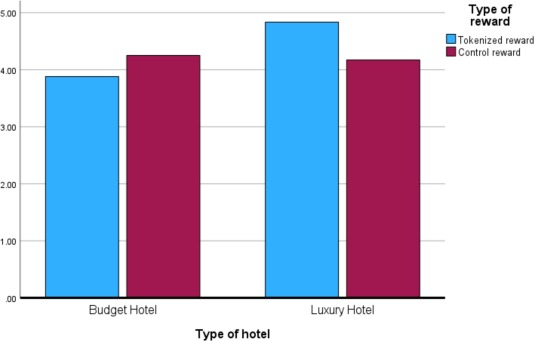
The economic implications are significant. When points become interoperable, they function closer to digital currency than traditional marketing tools. This shift requires brands to treat loyalty liabilities differently, as the value of issued tokens is now subject to market dynamics and partner acceptance rather than internal accounting.
Market adoption trends for 2026
Tokenized rewards are transitioning from experimental pilots to core infrastructure in hospitality and retail. Academic research confirms that issuing incentives as blockchain-based tokens directly increases booking intentions and strengthens customer loyalty mechanisms. This shift is driven by the need for interoperable assets that retain value across partner ecosystems, moving beyond the siloed point systems of the past.
The growth trajectory of blockchain-based loyalty program adoption reflects this structural change. As seen in market data, the integration of tokenized assets is accelerating, particularly in sectors where high-frequency engagement and cross-brand partnerships are critical. The following chart illustrates the compound growth of this adoption curve from 2023 through the projected 2026 baseline.
Industry analysis indicates that tokenized rewards function as a retention engine by reducing friction in redemption. Unlike traditional points, which often suffer from devaluation or expiration complexities, tokens offer transparent utility. Brands are leveraging this clarity to drive repeat engagement, positioning tokenized loyalty not as a marketing add-on, but as a fundamental component of customer retention strategy.
Smart contract infrastructure
The backend of a tokenized loyalty program replaces traditional, siloed points databases with immutable smart contracts. These self-executing code blocks automate the entire lifecycle of a reward: issuance upon qualifying activity, transfer between wallets, and redemption at partner merchants. This architecture removes the need for manual reconciliation and third-party intermediaries, ensuring that every transaction is transparent and auditable on-chain.
Smart contracts define the precise rules for token behavior. When a customer earns points, the contract mints or transfers the corresponding token to their digital wallet. Redemption triggers an atomic swap or burn event, instantly updating balances across the network. This automation reduces operational overhead and eliminates the friction associated with legacy point systems, where redemption limits and expiration dates are often obscured.
The underlying infrastructure also supports interoperability. By adhering to standards like ERC-20 or ERC-1155, loyalty tokens can move seamlessly between different platforms and exchanges. This liquidity allows customers to trade or sell their rewards, adding tangible financial value beyond simple discounts. The result is a more dynamic retention model where loyalty is treated as a liquid asset rather than a static balance.
No comments yet. Be the first to share your thoughts!