
Get tokenized loyalty programs right
Tokenized loyalty programs replace static points with blockchain-based assets. This shift changes how you manage customer retention. Before launching, you must align technical infrastructure with business goals. Mistakes here are costly and hard to reverse.
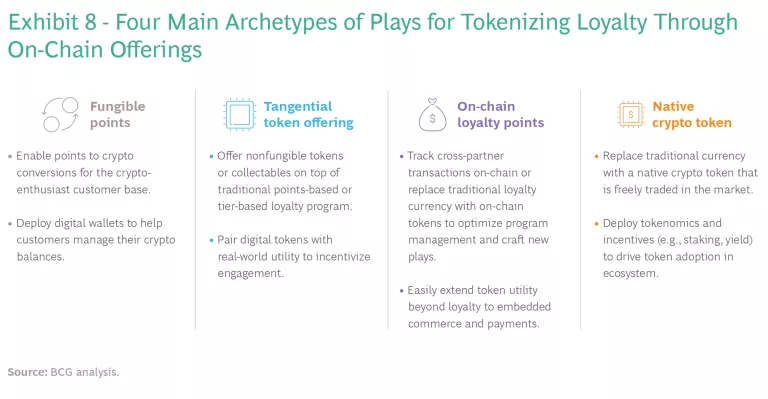
Start by defining the token’s utility. The most common model makes points fungible, similar to shares of stock. This allows members to trade, transfer, or redeem them across partners. Without clear utility, tokens become speculative noise rather than loyalty tools. Ensure your smart contracts enforce these rules transparently.
Next, choose a compliant blockchain. Public chains offer transparency but may face regulatory scrutiny. Private or permissioned ledgers provide control but limit network effects. Your choice depends on whether you prioritize speed, cost, or regulatory safety. Consult legal experts early to avoid future compliance hurdles.
Finally, design the user experience. Blockchain interaction should be invisible to the average customer. Use wallets that abstract away seed phrases and gas fees. If the process feels like a technical hurdle, adoption will fail. The technology should serve the reward, not complicate it.
How to Build a Tokenized Loyalty Program
Traditional loyalty programs often leave value trapped inside walled gardens. Customers earn points that expire or cannot be transferred. Tokenization changes this by turning rewards into digital assets on a blockchain. This approach gives customers ownership and allows brands to create more dynamic retention tools.
Building a tokenized loyalty system requires careful planning. You must choose the right token standard, decide on the blockchain, and design the earning mechanics. The following steps guide you through the technical and strategic setup.
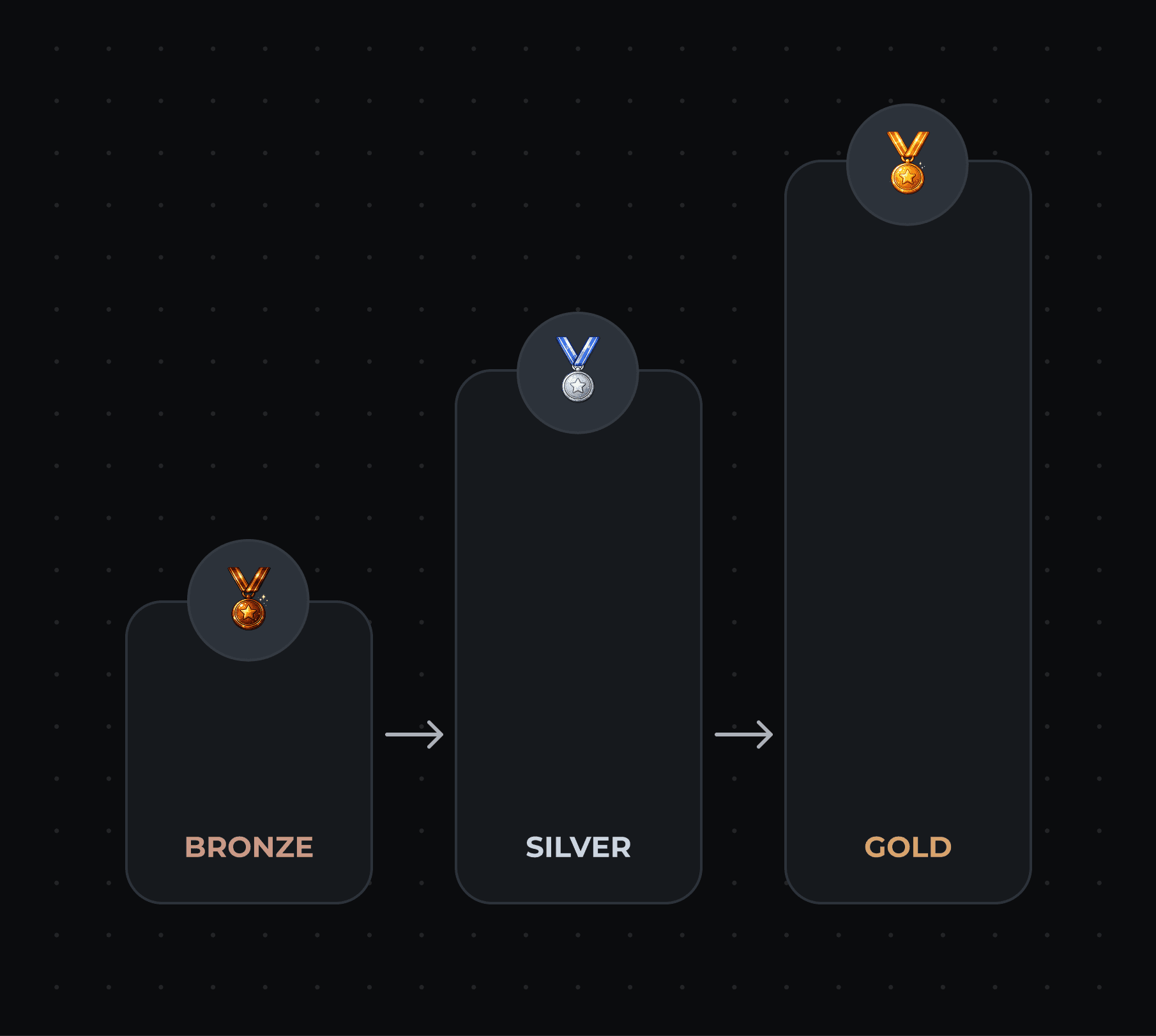
Most consumer loyalty programs use ERC-20 tokens on Ethereum or compatible chains like Polygon. ERC-20 tokens are fungible, meaning each token is identical and interchangeable, much like currency. This makes them ideal for points systems where one reward unit equals another. Some brands prefer NFTs (ERC-721) for tiered memberships or unique collectibles, but ERC-20 remains the standard for simple point redemption.
The choice of blockchain affects transaction costs and speed. Ethereum mainnet has high gas fees, which can eat into small reward values. Layer-2 solutions like Polygon or Base offer near-zero fees and fast settlement, making them better for everyday transactions. For high-value rewards or enterprise-grade security, Ethereum mainnet may still be appropriate. Consider your customers' technical comfort; most prefer seamless, gas-free experiences, which often requires a meta-transaction model where the brand pays the fees.
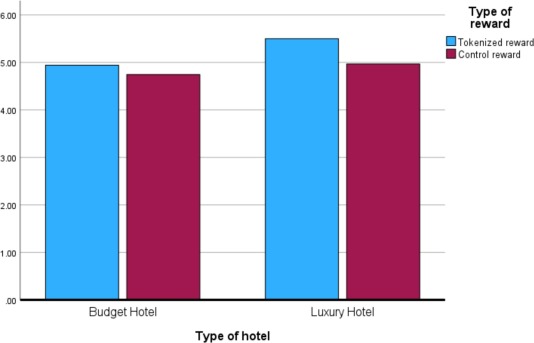
Define how tokens are earned and spent. Will they be fixed-value or dynamic? Research shows that tokenized rewards can increase booking intentions and engagement when they offer real utility (Boukis, 2024). Decide if tokens can be traded, gifted, or sold. Allowing secondary market trading can increase perceived value, but it also introduces regulatory complexity. Start with a closed-loop system where tokens are only redeemable for your products or services to maintain control over your liability.
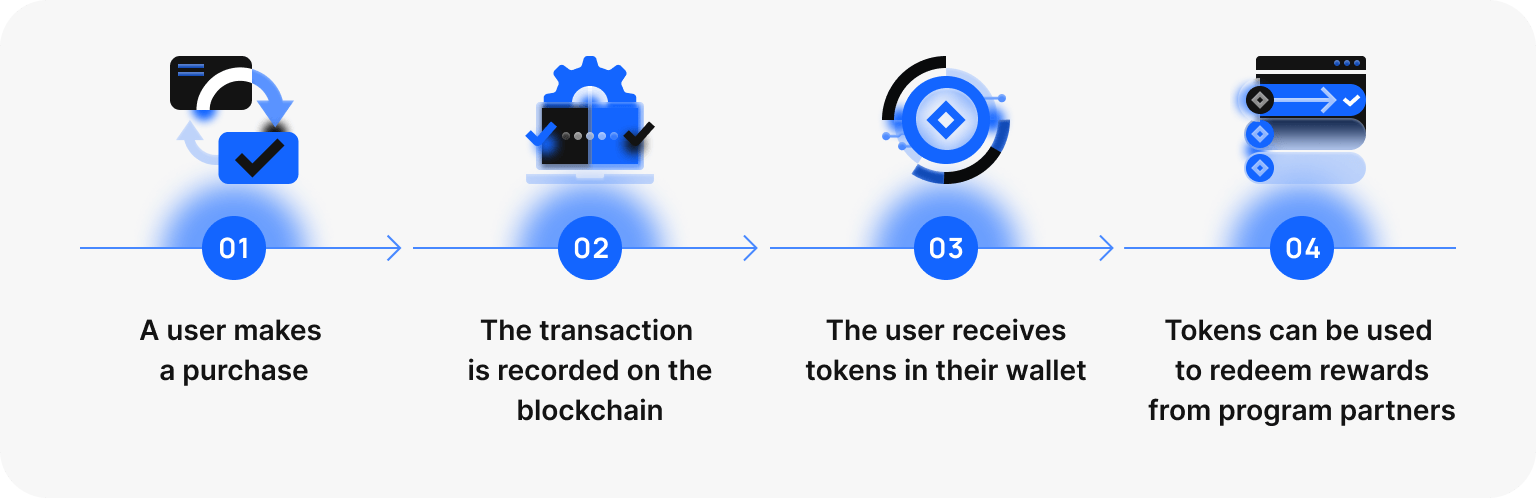
Smart contracts automate the issuance and redemption of tokens. They ensure transparency and prevent fraud. Use audited templates from reputable providers like OpenZeppelin to avoid common security vulnerabilities. Key functions include minting (creating new tokens for rewards), burning (destroying tokens upon redemption), and transferring ownership. Ensure the contract includes pause functionality in case of a security breach. Regular audits are non-negotiable for high-stakes financial interactions.
Connect the blockchain backend to your existing CRM and e-commerce platform. Customers should earn tokens automatically when they make a purchase or engage with your brand. Provide a user-friendly wallet interface, such as a smart wallet or account abstraction solution, so customers do not need to manage private keys. This lowers the barrier to entry and makes the experience feel like a traditional loyalty program while retaining the benefits of blockchain.
Fix common mistakes in tokenized loyalty programs
Tokenized loyalty programs often fail because brands treat blockchain like a marketing sticker rather than a structural upgrade. The most common error is creating points that look like tokens but function exactly like legacy points—locked, non-transferable, and isolated within a single app. This approach adds technical complexity without delivering the core benefits of interoperability or true asset ownership.
Another frequent pitfall is ignoring the user experience. If redeeming a token requires navigating complex wallet interfaces or paying high gas fees, retention drops immediately. Successful programs, such as those analyzed by Photon, make the token fungible and intuitive, allowing users to trade or spend rewards as easily as they would currency. The technology should disappear into the background, leaving only the convenience of flexible rewards.
Finally, many programs fail to define clear utility. Without a tangible use case—whether it’s trading with other brands, accessing exclusive content, or converting to cash equivalents—tokens become speculative clutter. Brands must ensure that every token has a clear, immediate value proposition that outweighs the friction of using a digital wallet. If the reward isn't worth the effort to manage, customers will abandon the program.
Tokenized loyalty programs: what to check next
Here are answers to the most common questions about tokenized loyalty and blockchain rewards.
These questions address the practical realities of adopting tokenized rewards. If you are considering implementation, focus on interoperability and regulatory compliance rather than just the technology itself.
Helpful gear
Use these product recommendations as a starting point, then choose the size, material, and price point that fit how you actually use the gear.

As an Amazon Associate, we may earn from qualifying purchases.
No comments yet. Be the first to share your thoughts!