
Define your loyalty token utility
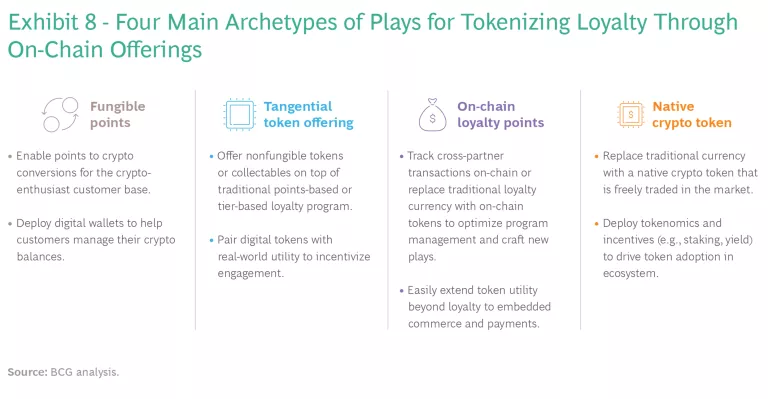
Before writing a single line of smart contract code, you must define the economic model of your token. The primary goal of a tokenized loyalty program is retention, not speculation. If the token functions primarily as a tradable asset, you risk regulatory scrutiny and alienate customers who just want rewards.
Choose redeemable value over financial gain
Structure the token so it has utility within your ecosystem. Users should earn tokens by engaging with your brand and redeem them for tangible goods, services, or exclusive access. This creates a closed loop that drives repeat business rather than creating an exit liquidity event.
Avoid design patterns that resemble securities. A token that promises appreciation or passive income is likely a security under most jurisdictions. Instead, focus on immediate, practical value. For example, a token could unlock free shipping, early access to new products, or entry into VIP events.
Align incentives with long-term engagement
Your utility model should encourage behaviors that benefit both the customer and the brand. If you reward only purchases, you may attract opportunistic spenders who leave when competitors offer better deals. Consider rewarding engagement, such as writing reviews, referring friends, or participating in community events.
This approach builds a deeper connection with your audience. It transforms the token from a simple discount mechanism into a badge of loyalty. Customers who invest time and effort into your ecosystem are less likely to churn, even if a competitor offers a slightly lower price.
Keep the redemption path simple
Complexity kills adoption. Ensure that earning and redeeming tokens is intuitive. If customers need to understand blockchain mechanics to use their rewards, you have failed. The backend can be complex, but the frontend must be as simple as scanning a QR code or clicking a button.
By prioritizing clear utility and simple redemption, you build a loyalty program that lasts. This foundation supports the technical implementation that follows, ensuring your code serves a clear business purpose.
Select a compliant blockchain network
Choosing the right ledger is the first technical decision in launching a tokenized loyalty program. The network must handle high transaction volumes without slowing down customer experience, while ensuring the program remains compliant with financial regulations. For mainstream users, the choice often comes down to balancing cost, speed, and regulatory safety.
Ethereum Layer 2 solutions like Arbitrum or Optimism offer strong security and developer maturity but can still incur variable fees during peak times. Polygon provides a low-cost, high-speed environment that is widely adopted for consumer applications, though it requires careful attention to its specific compliance frameworks. Solana offers exceptional throughput and low latency, making it suitable for high-frequency micro-rewards, but its consensus model differs significantly from the EVM standards many enterprises already use.
Use the table below to compare the primary networks for loyalty deployments. Focus on finality time and average transaction cost, as these directly impact user satisfaction and program economics.
| Network | Avg. Tx Cost | Finality | Compliance Maturity |
|---|---|---|---|
| Ethereum L2 (Arbitrum) | $0.01 - $0.05 | ~1 min | High |
| Polygon | <$0.001 | ~2 sec | Medium-High |
| Solana | <$0.0001 | ~400 ms | Medium |
| Ethereum Mainnet | $1.00+ | ~15 min | High |
Design the token issuance mechanics
Structuring the smart contract for your tokenized loyalty program requires balancing reward frequency with long-term value stability. If you issue tokens too rapidly without controls, you risk inflation that devalues the rewards. If you restrict them too tightly, members lose interest. The goal is to build a defensible economy where tokens feel valuable to redeem but sustainable for your business.
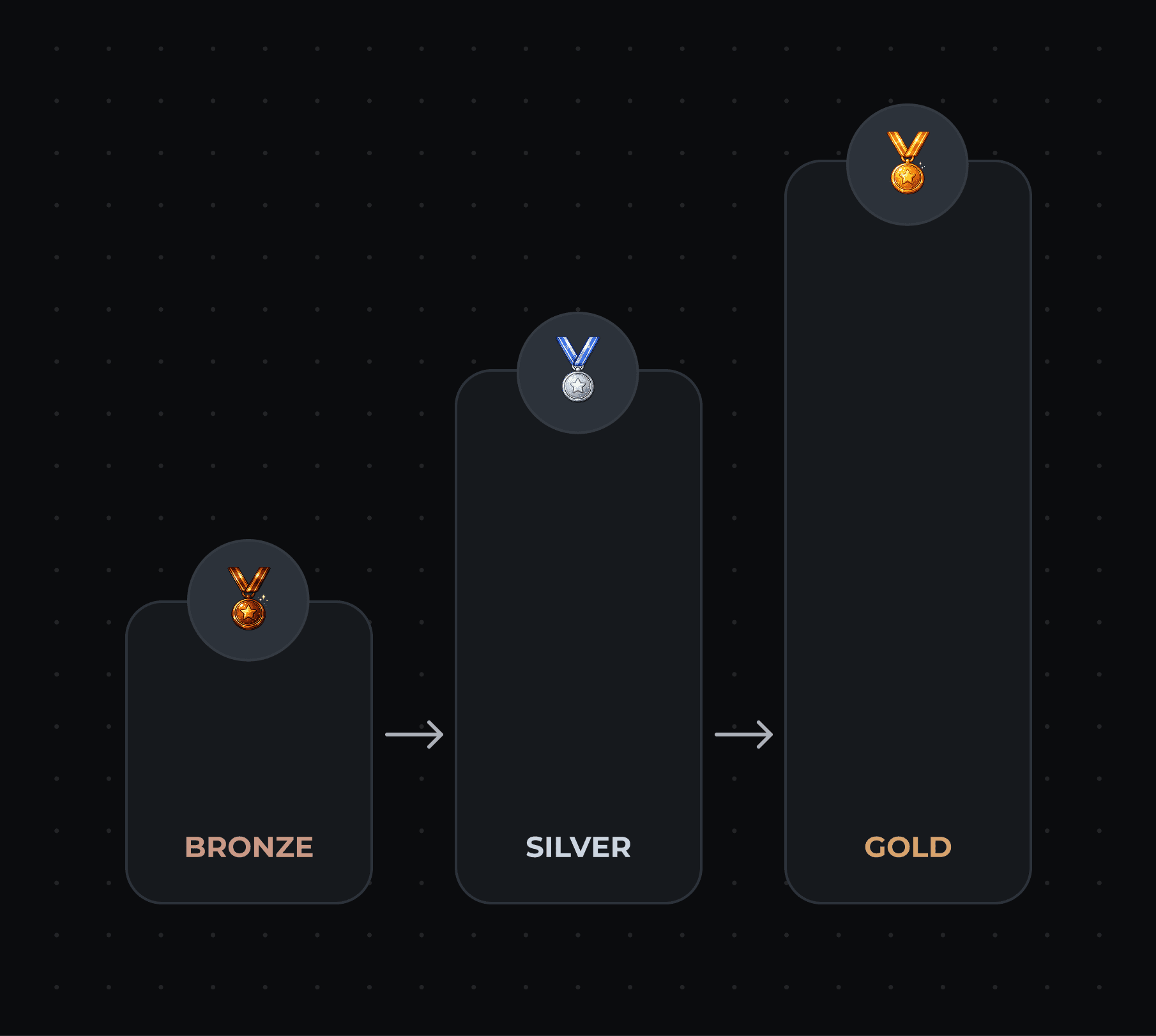
Start by setting a hard cap on the total number of loyalty tokens that can ever exist. This prevents unlimited inflation. Decide if tokens are minted on-demand when a customer earns them or if a fixed amount is pre-minted and released over time. For most loyalty programs, a dynamic minting model tied to specific purchase thresholds works best, ensuring you never pay out more rewards than your revenue supports.
To prevent users from dumping large amounts of tokens on the market or exchanging them immediately, use vesting schedules for high-value rewards. For example, a "gold tier" bonus could be released in monthly increments over six months. This encourages continued engagement with your brand and stabilizes the token's perceived value by reducing immediate sell pressure.
Introduce a burn function where users can permanently destroy a small percentage of tokens to unlock exclusive perks or higher-tier status. This removes tokens from circulation, creating scarcity. When members see that holding and using tokens has tangible, evolving benefits beyond simple redemption, the token becomes a tool for retention rather than just a transactional currency.
By anchoring your issuance mechanics to these three controls—supply caps, vesting, and burns—you create a loyalty system that grows with your customer base without diluting the rewards. This structure ensures that your tokenized loyalty program remains a powerful asset for both your business and your members.
Integrate wallets and user onboarding
The biggest barrier to tokenized loyalty programs is not the technology; it is the user experience. Forcing customers to manage private keys, seed phrases, and gas fees will kill adoption before the first point is earned. To capture the mainstream market, you must abstract away the complexity of blockchain interaction.
Choose custodial or account-abstraction solutions
Non-crypto natives should never see a wallet interface. Instead, integrate custodial wallets or Account Abstraction (ERC-4337) solutions. These systems allow users to sign in with email or social accounts while the backend manages the blockchain complexity. The user experiences a familiar login flow, while your system handles the secure key management and transaction batching in the background.
Simplify the onboarding flow
Onboarding should feel like signing up for any other app. Use a "guest wallet" model where the user receives their loyalty tokens immediately after purchase or registration. Do not require them to deposit crypto or connect a third-party wallet like MetaMask during the initial signup. The goal is to remove every possible friction point between the user's intent and their reward.
Support fiat on-ramps
If your program allows users to buy loyalty tokens or convert points to crypto, integrate a fiat on-ramp. Services like Stripe or specialized Web3 payment gateways allow users to pay with credit cards or bank transfers, automatically converting the currency into the required token on the backend. This bridges the gap between traditional commerce and blockchain rewards without requiring the user to understand crypto markets.
Launch and measure tokenized loyalty programs
Tracking success in a tokenized loyalty program requires shifting focus from simple point accumulation to active wallet engagement. When customers hold tokens, they have skin in the game. This changes the dynamic from passive receipt collection to active participation. You need to measure how often wallets interact with your ecosystem, not just how many points are issued.
Start by auditing your smart contract and ensuring KYC/AML compliance is in place before going live. Clear user support documentation is equally important, as blockchain interactions can be confusing for non-crypto natives. If users cannot plan around the wallet or claim their rewards easily, retention drops immediately.
Pre-launch checklist
-
Smart contract audit completed by a reputable firm
-
KYC/AML compliance review finalized
-
User support documentation published
Once live, monitor active wallet usage as your primary retention metric. Look for trends in daily active users (DAU) rather than total token supply. A high token supply with low active wallets indicates a failed program. Conversely, steady wallet activity signals that your rewards are driving genuine value and repeat behavior.
-
Smart contract audit completed by a reputable firm
-
KYC/AML compliance review finalized
-
User support documentation published
Common questions about tokenized rewards
These answers address the most frequent questions about tokenized loyalty programs, focusing on platform selection, viability, and market comparisons.
What's the best tokenization platform?
There is no single "best" platform; the right choice depends on your technical resources and integration needs. For businesses building a custom solution, platforms like TokenD provide the necessary ecosystem and blockchain utilities to create proprietary token programs. Alternatively, services like Enable3 offer a step-by-step guide and infrastructure for launching crypto loyalty programs in 2026, which is ideal for teams seeking a more structured, guided approach to token design and blockchain selection.
What are the most successful loyalty programs?
Success in tokenized loyalty relies on flexibility and perceived value. The most effective programs allow users to redeem tokens across a network of partners rather than restricting them to a single merchant. This interoperability mirrors the utility of major traditional programs but adds the transparency and speed of blockchain. Programs that clearly communicate the token's real-world value and redemption pathways tend to see higher engagement and retention rates.
Is Amazon Prime a loyalty program?
Technically, Amazon Prime is a paid subscription service rather than a traditional point-earning loyalty program. However, it functions as a retention tool by offering exclusive benefits—such as free shipping and streaming content—to keep customers engaged with the Amazon ecosystem. Tokenized loyalty programs differ by typically using a currency-based model where users earn tokens through purchases and redeem them for goods, services, or discounts, creating a more direct transactional relationship than a flat subscription fee.
No comments yet. Be the first to share your thoughts!