

Why tokenized loyalty programs matter now
The retail loyalty landscape is undergoing a structural shift. For decades, programs operated as closed-loop systems where points were trapped within a single brand's ecosystem. In 2026, tokenized loyalty programs are replacing these silos with open, interoperable assets. This transition moves rewards from static liabilities to liquid financial instruments, fundamentally changing how brands retain customers and how consumers value their engagement.
The primary differentiator is tradability. Traditional points are non-transferable and often expire without recourse. Tokenized rewards, built on blockchain infrastructure, introduce liquidity. Customers can trade points with other users, exchange them for cryptocurrency, or use them across partner networks without brand permission barriers. This shift transforms loyalty from a marketing expense into a user-owned asset class.
Academic research supports this behavioral change. Studies indicate that offering tokenized rewards significantly increases booking intentions and perceived value for customers. When users recognize that their points hold real-world exchange value, engagement shifts from passive accumulation to active participation. The ability to trade or sell rewards creates a secondary market that keeps users invested in the brand's ecosystem longer.
This interoperability solves the fragmentation problem that has plagued retail for years. Instead of managing dozens of disconnected apps, consumers can consolidate their rewards into a single digital wallet. For retailers, this reduces the friction of redemption and expands the utility of their loyalty currency beyond their own products. The result is a more resilient loyalty model that aligns brand incentives with consumer financial autonomy.
The mechanics of tokenized loyalty programs
Traditional loyalty systems rely on closed databases where points are locked inside a single retailer’s ecosystem. Tokenized loyalty programs replace those siloed ledgers with blockchain-based digital assets. Instead of storing points in a proprietary database, the retailer mints them as fungible tokens on a public or permissioned ledger. This shift changes points from static account balances into transferable assets.
The core mechanism involves three steps: minting, smart contract management, and trading. When a customer earns points, the system mints corresponding tokens to their digital wallet. Smart contracts automatically enforce the rules—such as expiration dates or redemption eligibility—without manual intervention. Because these tokens are fungible, they can be traded, sold, or exchanged on secondary markets, much like shares of stock.
This tradability creates a liquid market for loyalty points. Customers can sell unused points to other users or businesses, effectively turning loyalty rewards into a form of currency. For retailers, this expands the utility of their loyalty programs beyond simple discounts. It also introduces transparency, as every transaction is recorded on the blockchain, reducing fraud and administrative overhead.
Interoperability and cross-brand value
Tokenized Loyalty Programs works best as a clear sequence: define the constraint, compare the realistic options, test the tradeoff, and choose the path with the fewest hidden costs. That order keeps the advice usable instead of decorative. After each step, pause long enough to check whether the recommendation still fits the reader's actual situation. If it depends on perfect timing, unusual access, or a best-case budget, include a simpler fallback.
| Factor | What to check | Why it matters |
|---|---|---|
| Fit | Match the option to the primary use case. | A good deal still fails if it does not fit the job. |
| Condition | Verify age, wear, and service history. | Hidden condition issues erase upfront savings. |
| Cost | Compare purchase price with likely upkeep. | The cheapest option is not always the lowest-cost option. |
Steps to launch a tokenized loyalty program
Building tokenized loyalty programs requires shifting from centralized databases to decentralized smart contracts. This process demands careful coordination between legal compliance, technical infrastructure, and user experience design. Retailers must treat tokenization not just as a tech upgrade, but as a fundamental restructuring of how customer value is stored and transferred.
Before writing code, determine the utility of the tokens. Will they be non-transferable points or fully tradeable assets? This decision dictates the underlying token standard (e.g., ERC-20 for fungible points vs. ERC-1155 for mixed rewards). Simultaneously, engage legal counsel to address securities laws, tax implications, and data privacy regulations like GDPR. Early compliance checks prevent costly re-engineering later.
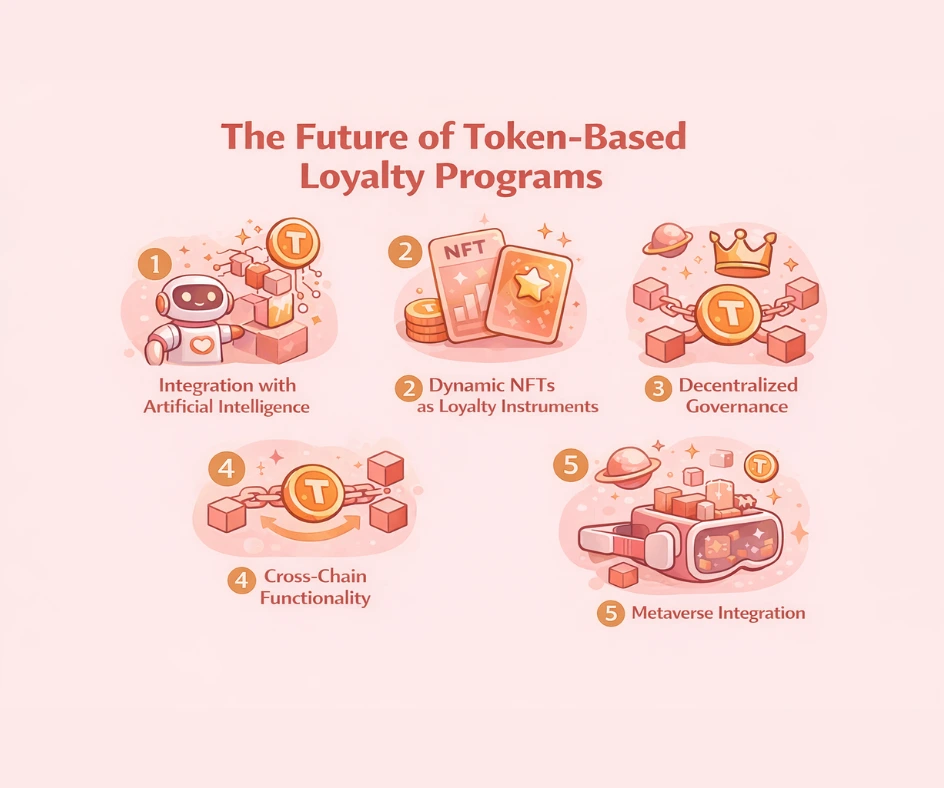
Choose a network that balances transaction speed, cost, and regulatory clarity. Public chains like Ethereum offer security but may suffer from high gas fees, while Layer-2 solutions or permissioned chains like Hyperledger provide better scalability for high-volume retail transactions. Ensure the infrastructure supports your required transaction throughput during peak shopping seasons.
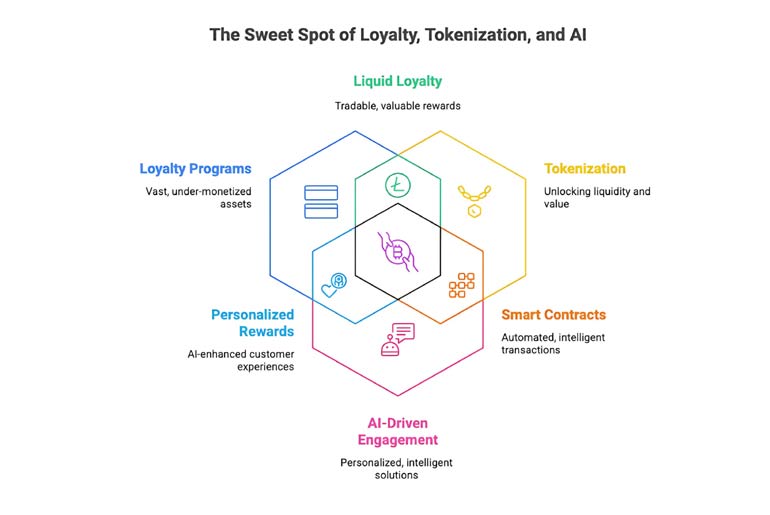
Write the smart contracts that govern token minting, burning, and transfer rules. These contracts automate the loyalty logic, removing manual intervention. Once drafted, conduct rigorous third-party security audits to identify vulnerabilities. An unaudited contract risks draining customer rewards or exposing user data, which would destroy brand trust instantly.
Build the frontend interface that allows customers to interact with the blockchain. This includes integrating non-custodial wallet connections (like MetaMask) or custodial wallet solutions for less technical users. Ensure seamless fiat-to-token on-ramps so customers can easily purchase or redeem tokens using existing payment methods without friction.
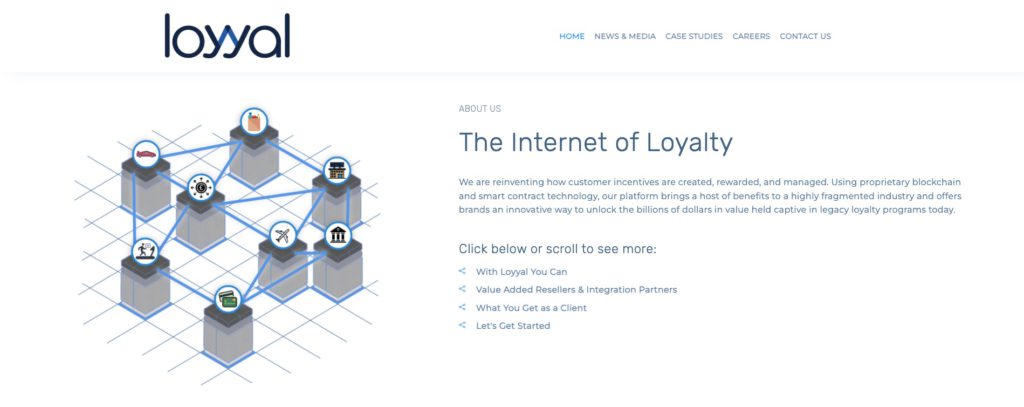
Roll out the program to a limited user group first. Monitor gas usage, transaction failure rates, and user onboarding drop-off points. Gather feedback on the user experience, particularly around wallet creation and token redemption. Use this data to refine the interface and contract efficiency before a full-scale public launch.
-
Legal review of token classification
-
Smart contract security audit completed
-
Wallet integration tested on testnet
-
Customer support team trained on blockchain basics
-
AML/KYC procedures documented
Common mistakes in loyalty tokenization
Even well-funded initiatives stumble when they prioritize blockchain infrastructure over customer experience. The most frequent failure point is friction. If redeeming a token requires gas fees, complex wallet management, or confusing swap interfaces, customers will abandon the program. Tokenized loyalty programs must feel as effortless as a standard punch card, not a crypto exchange.
Regulatory non-compliance poses a second, existential risk. Issuers often misclassify loyalty tokens as securities because they offer tradability or speculative value. Research by Hu (2025) highlights that while tradability increases engagement, it simultaneously triggers stricter financial regulations. Ignoring these nuances can lead to severe legal penalties or forced program shutdowns.
Warning: Ensure tokens are structured correctly to avoid securities law violations. Consult legal experts before enabling secondary trading.
Finally, many programs fail to define clear utility. A token that only offers a 1% discount fails to justify the cognitive load of holding digital assets. Successful implementations provide tangible, immediate value, such as exclusive access, tier upgrades, or seamless cross-brand interoperability. Without a compelling reason to hold the token, retention rates plummet.
Fixing the pitfalls
To avoid these traps, start with usability. Design for non-crypto-native users by offering custodial wallets or embedded on-ramps. Second, engage legal counsel early to structure tokens as utility-based rewards rather than investment vehicles. Finally, prioritize high-value use cases. If the token doesn't solve a specific customer pain point or offer distinct advantages over traditional points, the technology adds cost without driving loyalty.
No comments yet. Be the first to share your thoughts!