
Tokenized loyalty program limits to account for
Tokenized loyalty programs shift rewards from closed-loop points to fungible digital assets. This structural change promises real-time engagement, but it introduces significant operational friction. Before launching, you must weigh the technical overhead against the promise of interoperability. Most programs fail not because of poor engagement, but because of underestimated integration complexity.
The primary constraint is the regulatory and compliance burden. Unlike traditional points, tokens often fall under securities or financial regulations depending on their utility and transferability. This requires legal review that traditional marketing teams rarely possess. You must also manage wallet infrastructure, meaning customers need digital wallets to participate. This creates a steep onboarding barrier for non-technical users.
Another major hurdle is the liquidity and redemption ecosystem. For tokenized rewards to drive engagement, they must be redeemable across multiple partners. Building this network effect is difficult. If customers cannot easily spend their tokens, the program reverts to the limitations of traditional loyalty. The value proposition collapses without a broad, active marketplace.
Finally, the technology stack itself is a constraint. Blockchain transaction fees, latency, and security risks add layers of cost and complexity. You are no longer just managing a marketing budget; you are managing a distributed ledger. This requires specialized engineering resources and continuous security audits. The overhead often outweighs the benefits for small-to-medium enterprises, making tokenization viable primarily for large-scale, multi-brand loyalty ecosystems.
Tradeoffs in tokenized loyalty programs
Moving from closed-loop points to tokenized rewards changes the economics of customer engagement. You gain liquidity and interoperability, but you also inherit the complexities of blockchain infrastructure and regulatory compliance. Before committing to a tokenized model, evaluate these concrete factors to determine if the tradeoffs align with your operational capacity.
Liquidity vs. Control
Traditional loyalty points are trapped within your ecosystem. Tokenized loyalty points act like currency, allowing customers to trade, sell, or redeem them across different platforms. This liquidity significantly boosts perceived value and engagement, as noted in research on tokenized rewards. However, this liquidity means you lose control over how your brand is redeemed. Customers might trade your points for competitors’ rewards, effectively subsidizing rival businesses.
Technical Complexity vs. Integration Ease
A tokenized program requires a blockchain backend, smart contracts, and a digital wallet infrastructure. This is far more complex than a standard database update. You must manage gas fees, wallet onboarding for non-crypto-native users, and security audits. The benefit is a transparent, immutable ledger that reduces fraud and administrative overhead in the long run. The downside is the steep initial development cost and the need for specialized technical talent.
Regulatory Compliance vs. Global Reach
Tokenized points often fall under financial regulations, depending on how they are structured and traded. If tokens are treated as securities or payment instruments, you face strict KYC (Know Your Customer) and AML (Anti-Money Laundering) requirements. This limits your global reach and increases legal costs. Conversely, a well-structured token can be traded internationally without traditional banking friction, offering a broader market if you plan around the legal landscape correctly.
Volatility vs. Stability
If your loyalty tokens are backed by or exchangeable for volatile cryptocurrencies, their value can fluctuate wildly. This creates a poor user experience and accounting challenges. Many programs mitigate this by pegging tokens to a stable asset or fiat currency. The tradeoff is that you bear the risk of managing the reserve or peg mechanism. Stability ensures customer trust but requires robust financial reserves.
| Factor | Benefit | Risk |
|---|---|---|
| Liquidity | Higher engagement via trading | Loss of brand control |
| Tech Stack | Fraud-proof ledger | High dev cost & complexity |
| Regulation | Global interoperability | KYC/AML compliance burden |
| Value | Transparent pricing | Volatility exposure |
Build a tokenized loyalty program that works
Tokenized loyalty programs turn points into fungible tokens, similar to shares of stock, allowing customers to redeem rewards across any business on the platform. This shift from closed-loop points to open tokens drives real-time engagement by increasing flexibility and perceived value.
To build a program that actually drives retention, follow this practical framework. Each step addresses a specific operational hurdle in tokenization.
Before issuing tokens, ensure your backend can handle real-time ledger updates. Traditional CRM systems often lack the throughput for immediate token transfers. Map your current point issuance volume to determine if you need a dedicated blockchain layer or a centralized database that mimics token behavior.
Choose between utility tokens (single-brand) or interoperable tokens (multi-brand). If you aim for partnerships, like Loyyal’s universal platform, select a standard like ERC-20 or a private chain with low fees. Avoid public chains with high gas fees unless your token value justifies the transaction cost.
Define how tokens are earned and spent. Unlike static points, tokens can be traded, gifted, or pooled. Set clear rules for expiration and transferability. Transparency here is critical; customers must see exactly how their token value fluctuates or remains stable relative to rewards.
Embed token wallets into your mobile app or web portal. Avoid forcing users to download separate crypto wallets. Use custodial solutions where you manage private keys on behalf of the user, ensuring a seamless experience that doesn’t require blockchain literacy.
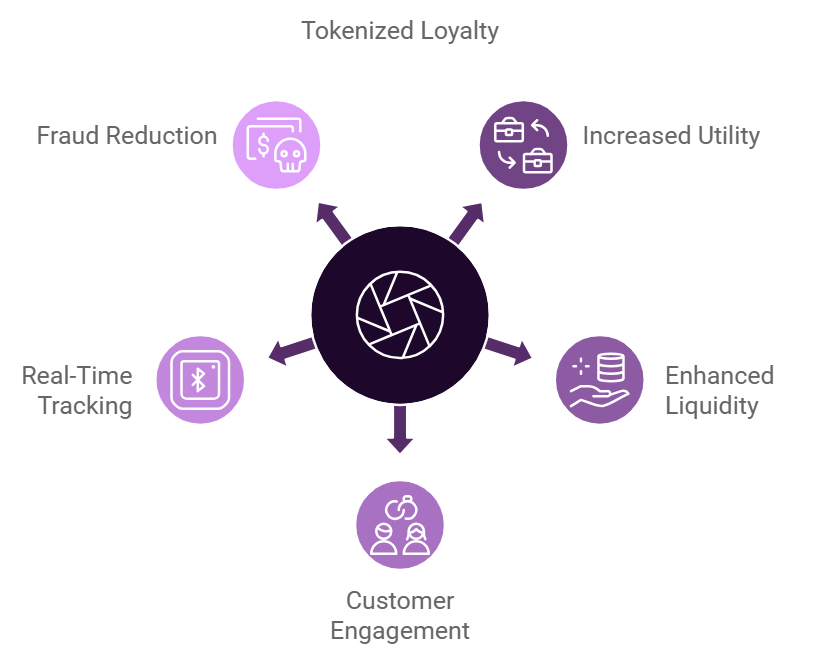
Launch with a small group to test transaction speed and user adoption. Measure engagement metrics like token transfer frequency and redemption rates. Compare these against your traditional points program to validate if tokenization truly increases loyalty intent.
| Feature | Traditional Points | Tokenized Rewards |
|---|---|---|
| Transferability | No | Yes |
| Interoperability | Closed-loop | Open/Partnerships |
| Transparency | Low | High (Ledger) |
| Tech Complexity | Low | High |
The transition to tokenized loyalty requires upfront investment in technology and compliance. However, the ability to offer flexible, real-time rewards creates a stronger emotional connection with customers. Start small, measure rigorously, and scale only when the data supports the shift.
Spotting the Weak Links in Tokenized Loyalty
Not every tokenized loyalty program delivers the promised real-time engagement. Many initiatives stumble on basic mechanics, leaving customers confused or brands stuck with expensive, underused assets. Before committing to a blockchain strategy, audit your current setup for these common pitfalls.
The Fungibility Fallacy
A frequent error is assuming that converting points to tokens automatically creates liquidity. Most programs issue non-fungible or semi-fungible tokens that cannot be easily traded or redeemed outside a closed ecosystem. Without true interoperability, the token is just a digital receipt with extra steps. Verify that your tokens can actually move between partners or be redeemed for diverse rewards, as seen in successful universal platforms like Loyyal.
Ignoring the User Experience Friction
Tokenization introduces wallet management and gas fees that most consumers find tedious. If a customer must set up a crypto wallet to redeem a coffee discount, the engagement drops. The best programs abstract this complexity away, using account abstraction or custodial solutions so the user never sees the blockchain. Keep the redemption flow identical to traditional points; the token should be invisible infrastructure, not a barrier to entry.
Overestimating Immediate ROI
Many brands launch tokenized programs expecting instant retention spikes. In reality, the value lies in long-term data insights and secondary market activity, not immediate redemption rates. Avoid marketing the "crypto" angle heavily; focus on tangible benefits like faster settlements or cross-brand partnerships. If you cannot clearly articulate why a token is better than a standard database entry, the project likely lacks a strong utility case.
No comments yet. Be the first to share your thoughts!