
Tokenized loyalty programs 2026 budget
Building a tokenized loyalty system in 2026 requires balancing technical infrastructure with real-world adoption costs. Unlike traditional points databases, blockchain loyalty programs replace static ledgers with tokenized digital assets and smart contracts, which changes how you allocate budget. Your spending shifts from monthly SaaS fees to transaction fees, compliance audits, and user acquisition.
Platform and Development Costs
The largest upfront expense is usually the platform itself. Universal loyalty platforms like Loyyal charge based on transaction volume and integration complexity. If you are building custom smart contracts, expect higher engineering costs but greater flexibility. For most mid-market brands, a hybrid approach—using a managed blockchain provider for the backend while customizing the front-end experience—offers the best balance of control and cost.
Transaction and Gas Fees
Every reward mint, transfer, or redemption triggers a blockchain transaction. While layer-2 solutions have reduced these costs significantly, they are rarely zero. Budget for gas fees as a variable cost of goods sold. A common mistake is underestimating the cumulative cost of micro-transactions. If your rewards are small, the fee might exceed the reward value, killing the program’s margin.
Compliance and Legal Fees
Tokenized rewards can blur the line between loyalty points and securities, depending on how they are structured. In 2026, regulatory scrutiny is higher than ever. You must budget for legal counsel to ensure your token model complies with local financial regulations. Failure to do so can result in fines that dwarf your entire marketing budget. Always treat compliance as a fixed operational cost, not an optional add-on.
User Education and Onboarding
The hidden cost of tokenized loyalty is user friction. Most customers do not understand wallets or private keys. Your budget must include resources for educating users or, better yet, abstracting the complexity away. Programs that require users to manage their own keys see high drop-off rates. Invest in seamless onboarding tools that hide the blockchain from the end-user.
Compare the strongest tokenized loyalty programs 2026 options
Choosing the right tokenized loyalty infrastructure requires matching your brand’s scale and tech stack to the platform’s capabilities. In 2026, the market has consolidated around a few key players that offer distinct advantages for different business models. Some platforms focus on universal interoperability, allowing points to be traded across brands, while others prioritize seamless enterprise integration for established retailers.
The following comparison highlights the primary contenders for tokenized loyalty programs in 2026. Each option serves a different operational need, from quick deployment for mid-market brands to complex, multi-chain solutions for global enterprises.
| Platform | Primary Focus | Interoperability | Best For |
|---|---|---|---|
| Loyyal | Universal Loyalty Network | High (Cross-brand trading) | Brands seeking new customer acquisition |
| IBM Blockchain | Enterprise Integration | Medium (Partner networks) | Large retailers and financial institutions |
| Ribbit | Digital Asset Loyalty | High (Crypto-native) | Web3 and tech-forward brands |
| China UnionPay + IBM | Mass Market Payments | Low (Closed ecosystem) | Asian market and payment networks |
Loyyal operates as a universal loyalty platform, leveraging blockchain to allow customers to earn and redeem points across multiple brands. This model is particularly effective for brands looking to tap into existing networks of partners, turning loyalty from a cost center into a customer acquisition channel. The platform handles the tokenization and smart contract logic, reducing the technical burden on the merchant.
For larger enterprises, IBM’s blockchain solutions offer robust integration with existing supply chain and payment systems. While less focused on open cross-brand trading, these systems provide the security and scalability required for global retailers. The Royal Bank of Canada has explored similar models, demonstrating how financial institutions can leverage blockchain to enhance customer engagement through secure, transparent reward structures.
Ribbit represents the more crypto-native approach, targeting brands that already engage with Web3 audiences. It allows for the creation of digital asset loyalty programs that can be traded on open markets, appealing to a demographic that values ownership and liquidity in their rewards. This option is ideal for brands willing to plan around the regulatory complexities of tokenized assets in exchange for deeper community engagement.
Inspect the expensive parts
2026 guide: How Tokenized Loyalty Programs Are Redefining Customer Retention works best as a clear sequence: define the constraint, compare the realistic options, test the tradeoff, and choose the path with the fewest hidden costs. That order keeps the advice usable instead of decorative. After each step, pause long enough to check whether the recommendation still fits the reader's actual situation. If it depends on perfect timing, unusual access, or a best-case budget, include a simpler fallback.
Ownership costs and maintenance surprises
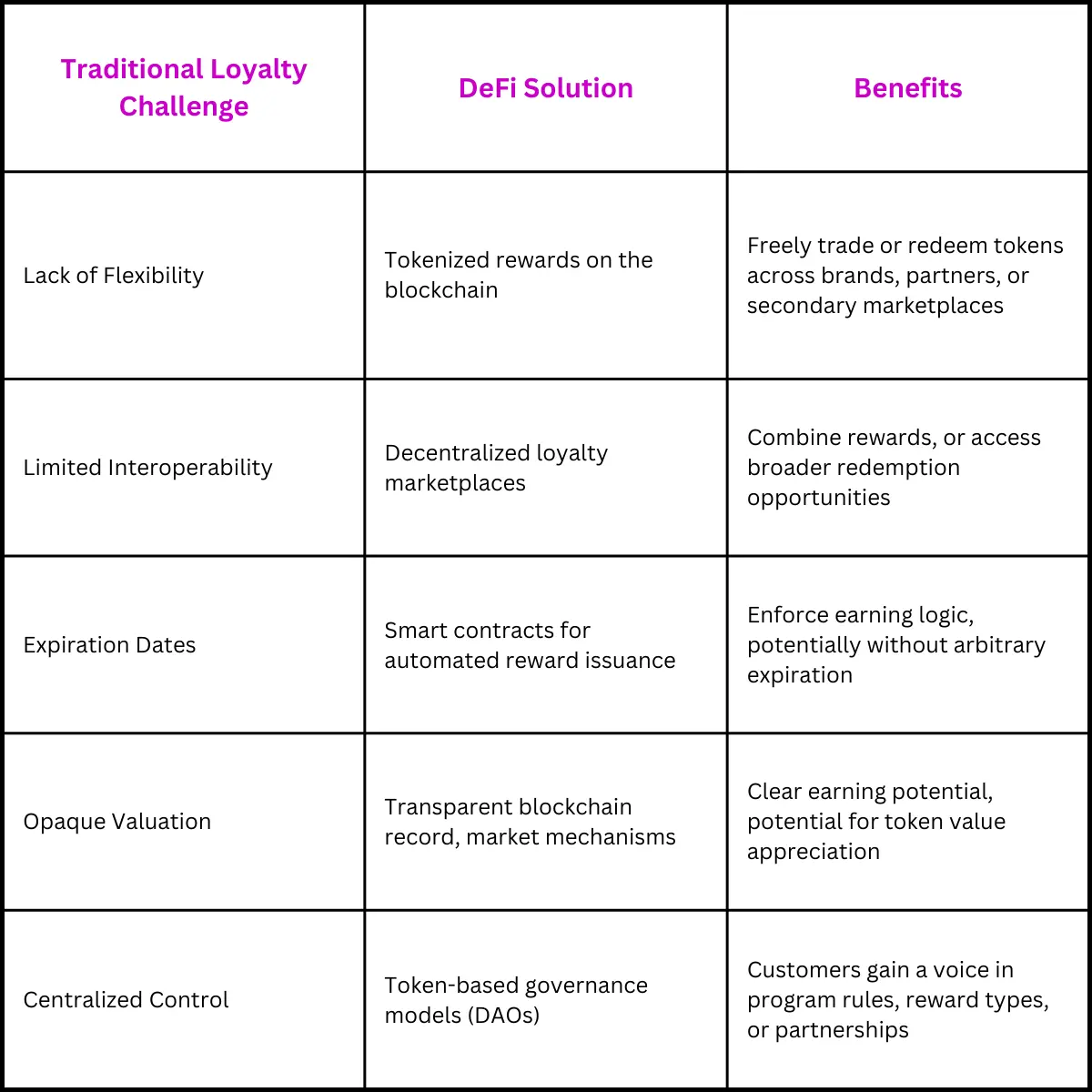
A tokenized loyalty program often looks cheaper on paper than a traditional database because you avoid legacy infrastructure fees. That initial license savings, however, masks the recurring costs of running smart contracts and managing digital wallets. The real expense isn't the setup; it's the daily operation of keeping the tokens liquid and compliant.
Every redemption or transfer triggers a blockchain transaction. On public networks, these gas fees can eat into your margin if you don't structure the tokenomics carefully. You also need to budget for wallet infrastructure. If customers can't easily access their rewards, they stop earning them, and the program fails.
When a cheap buy stops being cheap, it's usually because of hidden maintenance. You'll need developers to audit contracts for security vulnerabilities and update them as regulations change. This isn't a "set and forget" system. It requires ongoing engineering hours to ensure the tokens remain valuable and secure.
When to build vs. buy
If you're considering a tokenized approach, weigh the cost of building against the cost of licensing a platform. Building gives you full control but demands significant technical resources. Buying a solution from a provider like Loyyal reduces technical debt but introduces vendor lock-in.
For most mid-sized retailers, a hybrid approach works best. Use a proven platform for the token infrastructure while customizing the front-end experience. This balances cost control with the flexibility to adapt to customer preferences without rewriting core code.


As an Amazon Associate, we may earn from qualifying purchases.
Tokenized loyalty programs 2026: what to check next
Before committing to a blockchain-based loyalty strategy, it helps to separate the marketing hype from the operational reality. Tokenization is no longer a niche experiment; with nearly 80% of Fortune 500 companies now evaluating these systems, the question has shifted from "if" to "how." Below are the most common practical objections and clarifications for 2026.
The shift from static points to dynamic tokens requires a different operational mindset. Brands must now manage liquidity, partner onboarding, and user education rather than just point accrual rates.
No comments yet. Be the first to share your thoughts!