
Define your token utility and rewards
Before writing a single line of smart contract code, you must determine what the token actually does. In 2026, the most successful tokenized loyalty programs treat the token as a functional key rather than a speculative asset. Your primary goal is retention, not creating a new tradable security that invites regulatory scrutiny.
A utility token should solve a specific friction point in your current customer journey. Common and effective utilities include:
- Exclusive Access: Tokens grant entry to members-only events, early product drops, or beta features.
- Discounts and Cashback: Tokens can be redeemed directly for percentage-off discounts or used as a payment method at checkout.
- Tier Advancement: Holding a certain amount of tokens automatically upgrades a customer’s status, bypassing traditional point accumulation.
Tip: Focus on utility over speculation to ensure long-term customer retention rather than short-term trading volume.
Avoid designing tokens that promise financial returns or appreciate in value based on market sentiment. This approach quickly attracts regulators and users who are only there to flip the token for a profit, not to engage with your brand. Instead, anchor the token’s value to the tangible benefits it unlocks within your ecosystem.
Consider the "tradability" aspect carefully. While some platforms allow users to trade loyalty tokens, this feature often dilutes brand loyalty. If a customer can sell their rewards to a third party, they have no incentive to return to your store. For most brands, restricting redemption to your own platform creates a closed loop that drives repeat purchases and strengthens customer relationships.
When defining your rewards, ask yourself: "Would a customer still want this reward if it weren't on the blockchain?" If the answer is no, you are building a gimmick. If the answer is yes, you are building a utility that happens to use blockchain for transparency and efficiency. Start with the utility, then layer on the technology.
Select the right blockchain infrastructure
Choosing the right network is less about finding the most powerful chain and more about finding the one your customers already know how to use. For most loyalty programs, the goal is frictionless redemption, not complex wallet management. This means prioritizing networks with low transaction costs and fast settlement times.
Layer 2 solutions built on Ethereum, such as Polygon or Arbitrum, have become the standard for consumer-facing loyalty programs. They offer the security of Ethereum while keeping gas fees near zero. This allows you to issue rewards for small purchases, like a coffee or a parking fee, without the transaction cost eating up the reward value. Other chains like Solana offer high speed and low cost but may require users to navigate a less familiar ecosystem.
When evaluating infrastructure, focus on three practical metrics: gas fees, transaction speed, and onboarding complexity. A high-speed network is useless if the user has to pay $5 in fees to redeem a $2 discount. Similarly, a secure chain is irrelevant if the user cannot easily access it with their existing digital identity. The following table compares the most common options for loyalty infrastructure.
| Network | Avg. Gas Fee | Transactions/Sec | User Onboarding |
|---|---|---|---|
| Polygon (L2) | <$0.01 | ~7,000 | Moderate (MetaMask) |
| Solana | ~$0.00025 | ~65,000 | Moderate (Phantom) |
| Ethereum Mainnet | $1.00 - $10+ | ~15-30 | High (Wallet + ETH) |
| Hyperledger Fabric | N/A (Permissioned) | ~10,000+ | Low (Enterprise App) |
For mainstream adoption, Polygon remains the safest starting point for 2026. It balances decentralization with accessibility, allowing users to interact with rewards using familiar tools. If your program targets enterprise B2B clients, a permissioned chain like Hyperledger Fabric might be more appropriate, as it offers greater privacy and control over data. Avoid Ethereum mainnet for high-frequency consumer rewards unless you are offering high-value assets, as the fees will deter regular use.


As an Amazon Associate, we may earn from qualifying purchases.
Design smart contracts for automated rewards
Smart contracts act as the central nervous system of a tokenized loyalty program. Instead of relying on a centralized database to track points, the contract manages the ledger directly on the blockchain. This shift removes the need for manual reconciliation and ensures that every reward issuance is transparent and immutable.
Building this system requires careful attention to logic, testing, and deployment. The goal is to create a program that feels frictionless to the user while strictly adhering to business rules. Below is the practical implementation path for issuing and managing these tokens.
Before writing code, determine the token type and distribution rules. Most loyalty programs use ERC-20 tokens for their simplicity and compatibility with existing wallets. Decide whether tokens are non-transferable (soulbound) to prevent black-market trading or transferable to allow peer-to-peer gifting. Define clear triggers for issuance, such as purchase amount, frequency of visits, or specific product categories.
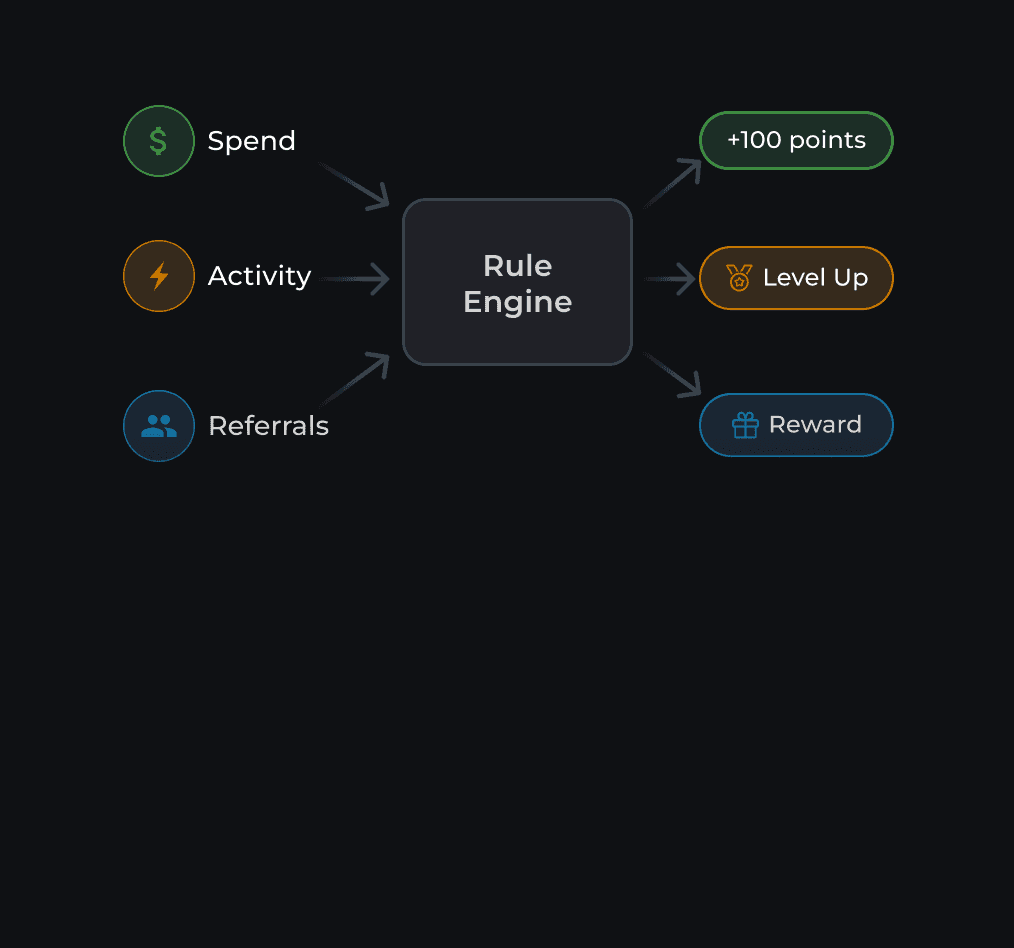
Use Solidity to draft the contract. The code should include functions for minting new tokens upon verified actions and burning them when redeemed. Ensure the contract includes access controls so only authorized business systems can trigger rewards. Implement pause functionality to halt operations if an anomaly is detected, providing a safety net for unexpected issues.
Never deploy directly to the main blockchain. Use tools like Hardhat or Foundry to simulate transactions on a testnet such as Sepolia or Goerli. Verify that the token issuance logic handles edge cases, such as insufficient balance for redemption or multiple simultaneous reward claims. Security audits are critical here to identify vulnerabilities before real customer funds are at risk.

Once testing is complete, deploy the contract to the production blockchain. Connect your existing customer relationship management (CRM) or point-of-sale (POS) system to the contract using an API or oracle. This integration allows your backend to signal the contract when a reward should be issued, bridging the gap between traditional business operations and on-chain automation.
This approach ensures that your loyalty program is not just a marketing gimmick but a robust, automated system. By focusing on clear logic and rigorous testing, you build trust with users who value transparency and reliability.
Integrate wallet onboarding for users
The biggest barrier to tokenized loyalty is the user experience. Most consumers do not want to manage seed phrases, private keys, or gas fees. To build a program that actually works, you must implement smart wallets or account abstraction. This technology allows users to interact with your loyalty tokens using familiar methods like email or biometric authentication, completely hiding the underlying blockchain complexity.
When you remove the friction of traditional crypto onboarding, you open your program to a much wider audience. Users can sign up with their existing email addresses, and the system creates a custodial wallet in the background. This approach mirrors the ease of creating a standard account while providing the security and interoperability of blockchain rewards. It is a practical shift from speculation to utility, focusing on discounts, access, and tangible benefits rather than financial speculation.
This method also simplifies regulatory compliance. By keeping the custody of keys within a compliant framework, you reduce the risk of lost funds and simplify anti-money laundering (AML) checks. The user gets a seamless experience, and your business maintains control over the security standards required for financial data. This balance is essential for scaling tokenized programs in 2026 without alienating non-technical customers.
Launch and measure retention metrics
After deployment, the focus shifts from technical stability to user behavior. You need a clear framework to evaluate whether the tokenized loyalty program is actually driving retention or merely attracting speculative traders. The primary goal is to keep customers engaged with your brand’s core offerings, not just trading points on secondary markets.
Track token velocity and holder retention
Token velocity measures how quickly points change hands. High velocity often signals that users are selling their rewards for immediate cash rather than redeeming them for brand value. To maintain a healthy program, aim for moderate velocity where tokens are held long enough to be redeemed for discounts, access, or exclusive products. Monitor holder retention rates to see if users return after their first purchase. A declining retention rate suggests the utility of the tokens is weak or the redemption process is too friction-heavy.
Audit compliance and analytics
Before scaling, conduct a final compliance audit to ensure your smart contracts align with local regulations regarding digital assets. Simultaneously, verify that your analytics dashboards are capturing on-chain data correctly. You should be able to trace a user’s journey from token acquisition to redemption. If the data is fragmented, you will miss opportunities to optimize the customer experience. Regularly review these metrics to adjust tokenomics, such as modifying expiration dates or bonus multipliers, to keep the program relevant and compliant.
-
Audit smart contracts for regulatory compliance
-
Test onboarding flow for non-crypto users
-
Set up analytics dashboards for velocity tracking
-
Verify redemption endpoints are live
Frequently asked questions about tokenized loyalty
As tokenized loyalty programs move from pilot to production in 2026, customers and operators alike have practical questions about how these systems work in daily life. The shift from static points to blockchain-based assets requires clear communication about value, security, and compliance.
These changes reflect a broader industry move toward transparency and user control, ensuring that loyalty programs remain effective in a competitive market.
No comments yet. Be the first to share your thoughts!