
Set up your blockchain infrastructure
The first technical decision in building tokenized loyalty programs is choosing the underlying ledger. This choice dictates your operational costs, transaction speed, and regulatory footprint. You must weigh the transparency of public chains against the control offered by permissioned ledgers.
Choose between public and permissioned ledgers
Public blockchains like Ethereum or Polygon offer maximum transparency and composability. They allow loyalty tokens to be traded or swapped on decentralized exchanges, creating real liquid value for users. However, this openness comes with high gas fees and public visibility of all transaction data. This can be a privacy liability for brands that need to keep customer spending habits confidential.
Permissioned ledgers, such as Hyperledger Fabric or Corda, restrict access to verified participants. These networks offer faster transaction finality and lower costs because they do not require energy-intensive consensus mechanisms. They are often easier to integrate with existing enterprise backends. The trade-off is that the tokens are not liquid; they remain confined within the brand’s ecosystem, which limits their perceived value to customers.
Prioritize compliance and cost efficiency
Before minting any tokens, ensure your structure adheres to local securities laws. Many jurisdictions classify transferable loyalty tokens as securities if they promise profit or can be traded on open markets. Using a permissioned ledger often simplifies this compliance burden by restricting transferability to non-tradable rewards. For high-volume, low-value rewards, consider layer-2 solutions on public chains to keep transaction fees negligible.
Integrate with existing loyalty systems
Your blockchain infrastructure must communicate seamlessly with your current customer relationship management (CRM) and point-of-sale systems. Use application programming interfaces (APIs) to bridge the gap between legacy databases and the blockchain oracle. This ensures that customer actions in the physical or digital store are accurately reflected on the ledger in real time.
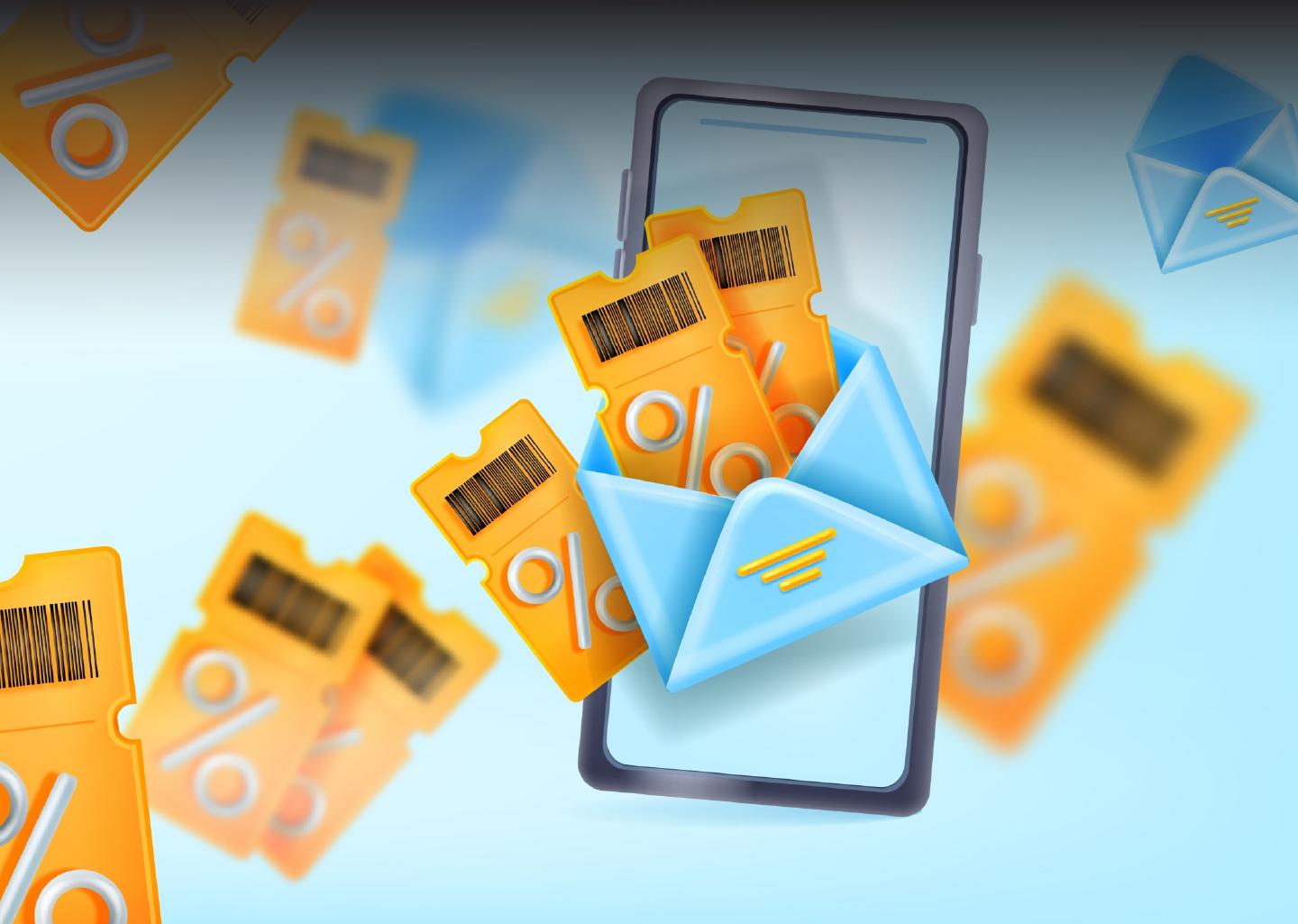
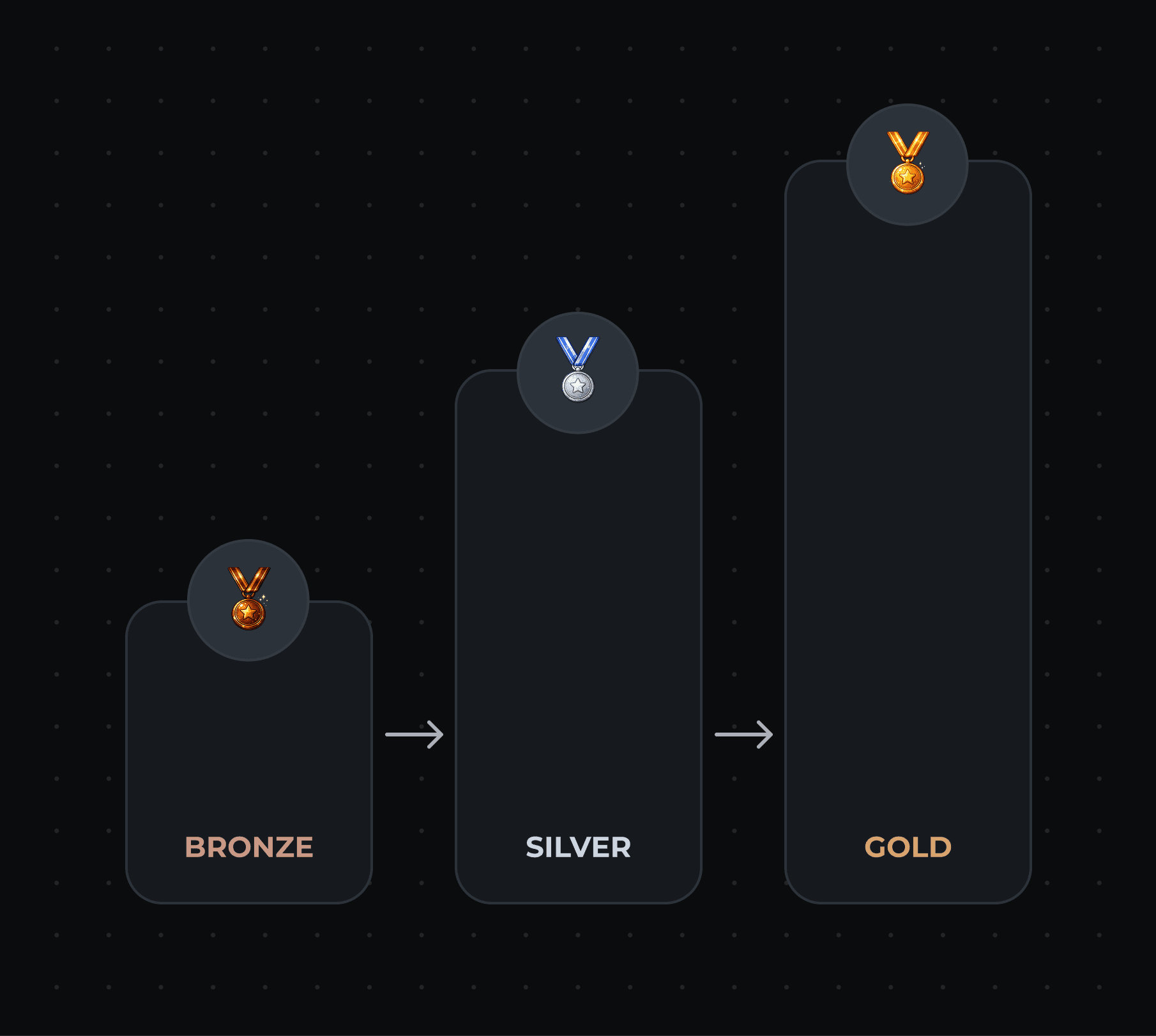
Select the appropriate token standard for your use case. ERC-1155 is often preferred for loyalty programs because it allows a single smart contract to manage both fungible points and non-fungible membership badges. This flexibility supports complex reward tiers without deploying multiple contracts.
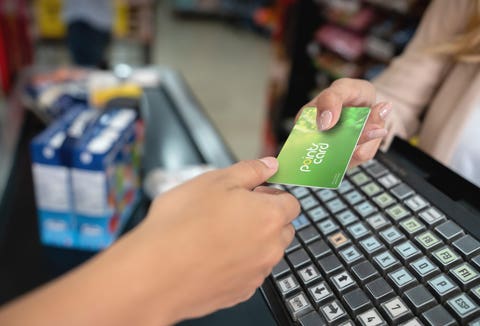
Write and audit the smart contracts that govern token minting, burning, and transfer. These contracts should include pause functions to halt transactions if a security vulnerability is detected. Always use a reputable auditing firm to review your code before mainnet deployment.
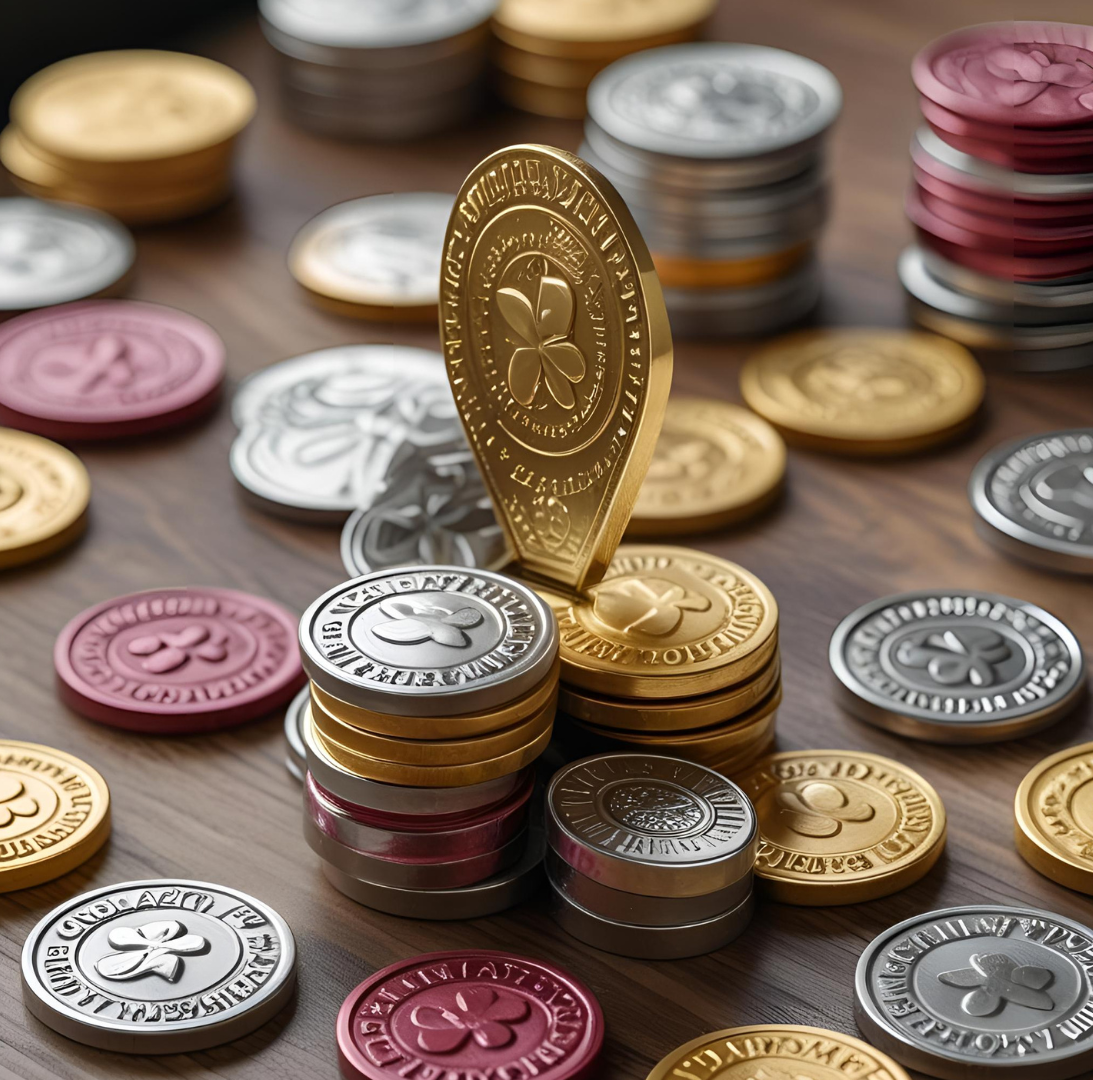
Build API connectors to link your smart contracts with your existing CRM and ERP systems. This integration allows you to mint tokens automatically when customers make purchases or redeem them when they claim rewards. Ensure the data flow is bidirectional to maintain accurate customer balances.
Design the token utility model
A tokenized loyalty program replaces static points with blockchain-based assets that carry real, verifiable value. The design challenge is moving beyond simple discount mechanisms to create utility that drives engagement. Successful models in 2026 focus on experiential access and embedded financial tools, allowing members to earn through everyday purchases and spend on meaningful rewards.
Experiential Rewards
The most effective token programs offer access rather than just products. Brands like Nike use their token ecosystem to grant entry to exclusive events, early product drops, or virtual experiences. This approach shifts the value proposition from saving money to gaining status. Members earn tokens by engaging with the brand across digital and physical touchpoints, creating a deeper emotional connection.
Embedded Financial Tools
Loyalty is becoming a financial layer within daily transactions. Programs now integrate savings, investing, and charitable donations directly into the reward flow. When a customer buys a coffee, they might automatically convert a portion of their earnings into a micro-investment or a donation to a partner charity. This transparency builds trust and demonstrates the tangible impact of their participation.
Integrate rewards with existing systems
Connecting your smart contracts to legacy infrastructure is the most critical phase of building a tokenized loyalty program. Without this bridge, tokens remain isolated digital assets rather than usable currency. The goal is to ensure that every action a customer takes—whether scanning a QR code at a register or clicking a link in an app—triggers an immediate, transparent update to their wallet balance.
This integration typically follows a three-part workflow: data capture, contract execution, and wallet synchronization. By treating your CRM and POS systems as the input layer and the blockchain as the settlement layer, you maintain the speed customers expect while gaining the security and interoperability of tokenization.
Start by mapping key customer events to your existing CRM or POS system. Instead of batch processing points at the end of the day, configure API endpoints to listen for specific triggers, such as a completed transaction or a profile update. When a sale occurs, the system should immediately send a payload to your middleware. This ensures that the reward calculation begins instantly, mirroring the real-time experience of traditional programs but preparing the data for blockchain verification.
Once the API receives the event payload, it should invoke the relevant smart contract functions. This is where the logic shifts from simple database updates to immutable ledger entries. For example, if a customer earns 100 tokens for a purchase, the smart contract calculates the exact amount based on predefined rules and transfers those tokens to the customer’s designated wallet address. This step removes manual intervention and reduces the risk of human error or fraudulent point manipulation, ensuring that every reward is accurate and verifiable.
The final step is ensuring that the customer sees their updated balance immediately. Your frontend application or mobile app must query the blockchain or a reliable indexer to fetch the latest token balance. This synchronization should happen seamlessly in the background, so the user sees their new reward total without refreshing the page. By linking the digital wallet directly to the customer’s account profile, you create a unified view of their rewards, making it easy for them to track, spend, or transfer their tokens across participating partners.
This architecture allows brands like Starbucks and Nike to offer more than just static points. By integrating tokenization into the core of their operations, they create a transparent system where rewards are instantly accessible and potentially tradable. The result is a loyalty program that feels familiar to the user but operates with the efficiency and security of modern blockchain technology.
Launch and manage the program
A tokenized loyalty program is only as effective as its adoption rate. Unlike traditional points systems where users passively accumulate value, tokens require active wallet interaction. This shift demands a rigorous launch strategy that prioritizes frictionless onboarding and continuous monitoring of token velocity to prevent inflation or stagnation.
1. Audit smart contracts and wallet compatibility
Before going live, ensure your smart contract has been audited by a reputable firm and that it supports the most common wallets (MetaMask, Coinbase Wallet, Phantom). Users will abandon the program immediately if they cannot easily connect or view their balance. Test the transaction flow on a testnet to verify gas fees are handled transparently.
2. Simplify the onboarding experience
Complexity is the enemy of adoption. Implement "gasless transactions" or social login options so users don’t need to understand blockchain mechanics to start earning. Starbucks Odyssey and Nike’s integration succeeded by hiding the underlying technology, allowing members to focus on redeeming rewards rather than managing private keys.
3. Monitor token velocity and supply
Token velocity—the rate at which tokens change hands—indicates program health. High velocity suggests active engagement, while low velocity may indicate users are hoarding or have lost interest. Use analytics dashboards to track redemption rates and adjust reward structures dynamically to maintain a balanced economy.
4. Train customer support teams
Your support team will face unique queries about lost wallets, failed transactions, and token value. Provide them with clear troubleshooting guides and direct access to blockchain explorers. A confused support agent can turn a new user into a churned customer within minutes.
Verify smart contract security and test wallet connectivity across major providers to ensure a seamless technical foundation.
Implement gasless transactions or social login to remove blockchain friction for non-technical users.
Monitor token velocity to ensure active engagement and prevent hoarding or inflation within the reward ecosystem.
Equip support agents with blockchain troubleshooting guides to resolve wallet and transaction issues quickly.
-
Smart contract audit completed by third party
-
Wallet compatibility tested on iOS and Android
-
Gasless transaction flow verified
-
Customer support team trained on blockchain basics
-
Analytics dashboard configured for velocity tracking
Loyalty Program FAQs
Tokenized loyalty programs are evolving from simple points systems into integrated financial and experiential tools. Below are the most common questions regarding implementation in 2026.
No comments yet. Be the first to share your thoughts!