
Define loyalty goals and KPIs
Tokenized loyalty programs shift the focus from simple point accumulation to active wallet engagement and secondary market velocity. Before selecting a blockchain or designing a token, identify which retention metrics need improvement. Traditional programs track redemption volume, but tokenized assets allow measurement of active holders, transfer frequency, and long-term holding periods.
Audit your current customer lifetime value (CLV) and churn rate. Determine whether the primary objective is to increase purchase frequency, reduce attrition, or encourage community advocacy. If the goal is reducing churn, KPIs should focus on the percentage of token holders making repeat transactions over a 90-day window.
Establish a baseline using existing data to measure the impact of the token launch. Avoid vague goals like "increase engagement." Instead, define specific targets, such as "increase active wallet addresses by 20% within six months." This clarity ensures token design aligns with measurable business outcomes.
Choose the right blockchain and token type
Selecting the underlying infrastructure is the first technical hurdle. Your choice determines transaction speed, user onboarding friction, and long-term operational costs. The goal is to make the blockchain invisible to the customer while ensuring the backend handles high-volume redemptions cost-effectively.
Select a scalable, low-cost blockchain
Consumer loyalty programs require near-instant confirmation and negligible fees. Public Ethereum is generally too expensive for micro-rewards, so use a Layer 2 solution or a high-throughput alternative. Polygon offers Ethereum compatibility with low fees, making it a safe entry point for teams familiar with Ethereum development. Solana provides higher throughput and lower latency, ideal for high-frequency engagement models.
Prioritize finality speed and gas stability. A transaction taking 15 seconds to confirm or costing $2 in fees will kill user retention. Look for networks with established wallets and bridges supporting seamless fiat on-ramps to reduce the barrier to entry for non-crypto-native customers.
Decide between utility tokens and NFTs
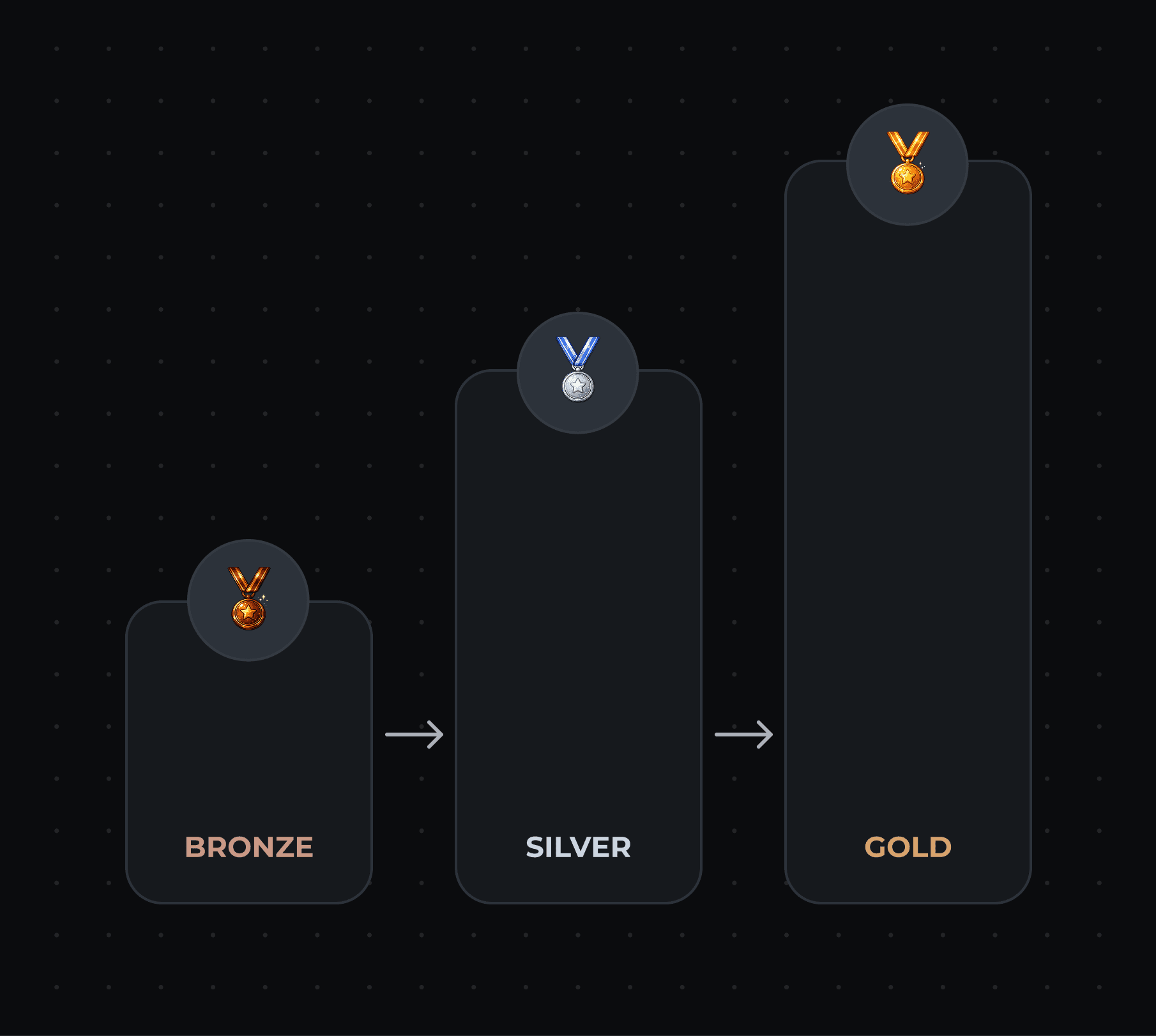
The asset type defines how customers interact with rewards. Utility tokens are fungible, meaning one point is identical to another. They work best for simple, transactional rewards like discounts or cash-back equivalents. Non-fungible tokens (NFTs) are unique and can represent tier status, exclusive access, or collectible items, adding gamification and perceived value.
| Feature | Utility Tokens | NFTs (Non-Fungible Tokens) |
|---|---|---|
| Best Use Case | Points, cash-back, simple discounts | Tier status, exclusive access, collectibles |
| Transferability | High (fungible) | Variable (can be restricted) |
| Development Cost | Lower (standard ERC-20) | Higher (ERC-721/1155 complexity) |
| Customer Perception | Transactional, utilitarian | Experiential, collectible, status-driven |
Utility tokens are easier to integrate into existing e-commerce checkout flows. NFTs require more user education but offer deeper engagement. If your brand relies on exclusivity or community identity, NFTs are the stronger choice. If the goal is straightforward retention through discounts, stick to utility tokens.
Design the token economy and reward structure
A sustainable tokenized loyalty program requires a closed-loop economy where supply, distribution, and redemption are mathematically balanced. Without this structure, tokens can inflate or become worthless, destroying customer trust. Define the initial supply and the mechanics of how tokens enter and exit the system.
Set a fixed total supply or a clear, predictable minting schedule. Unlike traditional points, which are often infinite liabilities, tokens have a finite value proposition. Determine if tokens are minted on-demand based on purchases (burn-mint model) or if a fixed amount is allocated at launch. Avoid unlimited minting unless you have a corresponding, equally unlimited burn mechanism.

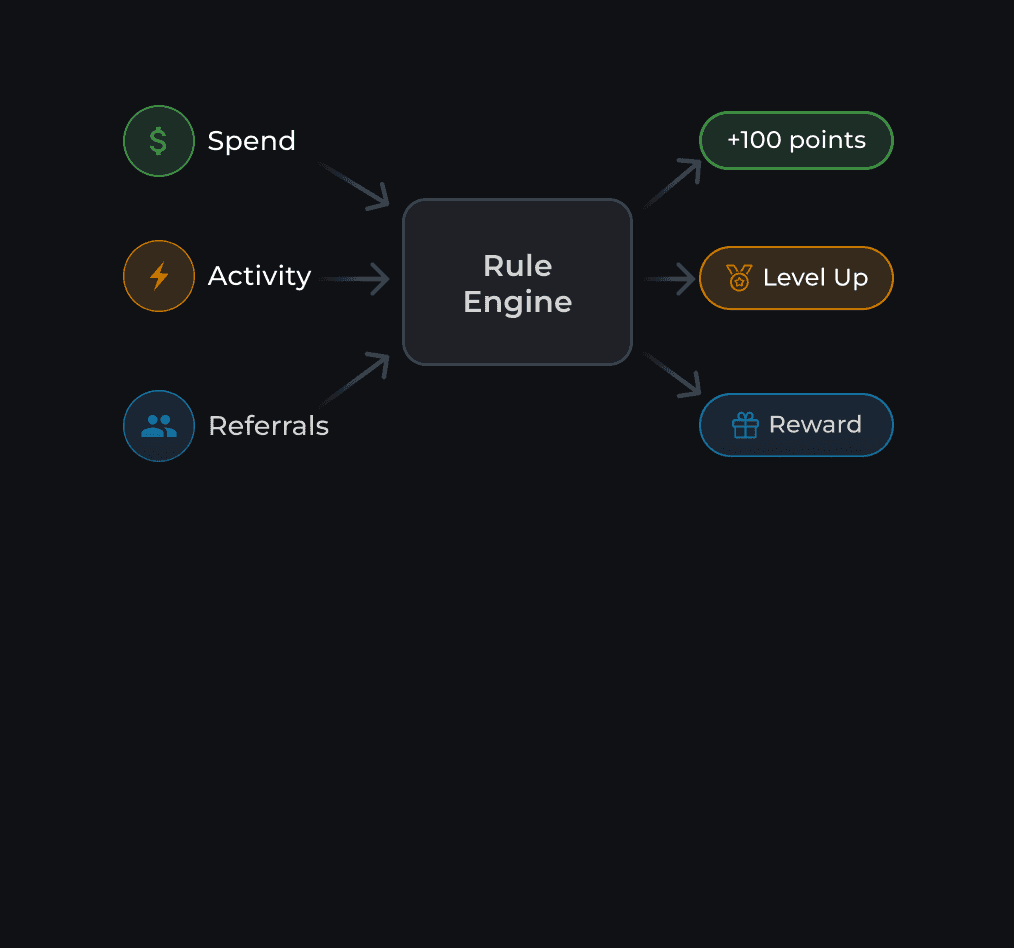
Map out exactly how users earn tokens. Common mechanisms include transaction-based rewards (e.g., 1 token per $1 spent), engagement bonuses (e.g., daily login streaks), or referral incentives. Ensure the earn rate is sustainable against your margins. If you give away 5% of revenue in tokens, the token price must appreciate or the utility must drive enough incremental sales to offset that cost.

Define what tokens can buy. Redemption options should range from low-cost, high-frequency items (discounts, free shipping) to high-value, low-frequency rewards (exclusive products, experiences). If the token’s market price fluctuates wildly, consider pegging redemption value to a stable currency or a fixed basket of goods to protect customer purchasing power.
To prevent inflation, tokens must leave the ecosystem. Implement a burn mechanism where tokens are destroyed upon redemption or transaction fees. Additionally, consider decay mechanisms, such as expiration dates or staking requirements, to encourage active use rather than hoarding. This ensures a dynamic economy where circulating supply matches actual demand.
Implement smart contracts and integration
Tokenized loyalty programs work best as a clear sequence: define the constraint, compare realistic options, test the tradeoff, and choose the path with the fewest hidden costs. This order keeps the advice usable.
Address compliance and security risks
Tokenized loyalty programs bridge the gap between consumer rewards and financial assets, triggering strict regulatory oversight. Navigate securities laws, know-your-customer (KYC) protocols, and robust wallet security before launching.
Determine if tokens are securities
If your program offers investment-like features—such as the expectation of profit from the efforts of others, or if tokens are traded on secondary markets—they may be classified as securities. In the United States, the Howey Test is the primary benchmark used by the SEC. Consult with legal counsel early to classify your token structure correctly. Misclassification can result in enforcement actions, fines, or forced shutdowns. If tokens are strictly utility-based with no speculative element, they generally face lighter regulatory burdens, though this distinction is not always clear-cut.
Implement KYC and AML checks
Anti-Money Laundering (AML) and Know Your Customer (KYC) requirements are non-negotiable for tokenized assets holding financial value. Verify the identity of every user before allowing them to mint, hold, or transfer tokens. Integrate identity verification services that handle digital onboarding efficiently to minimize friction for legitimate users while maintaining a rigorous audit trail for regulators.
Secure wallet infrastructure
Security is the final pillar of compliance. Since users hold their own keys in many tokenized models, provide secure wallet infrastructure and educate users on best practices. This includes multi-signature wallets for corporate accounts and hardware wallet support for high-value holders. Regular security audits of smart contracts are essential to prevent irreversible loss of funds.
Launch and measure retention impact
Post-launch analysis requires tracking how token tradability and interoperability influence long-term customer value. Unlike traditional points, tokenized rewards can move across platforms, creating a dynamic ecosystem.
Track cross-platform redemption
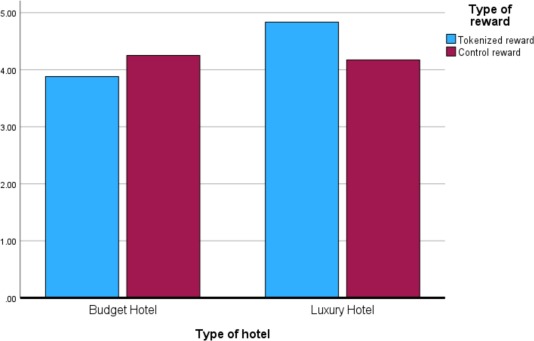
Interoperability is the primary differentiator for tokenized loyalty. Customers can use rewards across different businesses, increasing perceived utility. Research indicates this flexibility drives higher engagement compared to closed-loop systems [1]. Monitor redemption rates on external partners to gauge integration success.
Measure long-term retention
Tokenized rewards enable hotels and retailers to offer tangible, liquid assets [2]. Analyze customer lifetime value (CLV) over a 12-month period to see if token holders exhibit higher retention than non-holders. Look for correlations between token trading activity and repeat purchase frequency.
Audit program performance
Regularly review the technical performance of the token contract and the user experience of the redemption flow. Ensure transaction costs do not erode the value of small rewards. Use this data to refine tokenomics and adjust rewards for high-value segments.
-
Track cross-platform redemption rates
-
Analyze 12-month customer lifetime value
-
Audit token contract performance
-
Adjust rewards based on trading activity
[1] https://www.coinmetro.com/learning-lab/crypto-loyalty-programs [2] https://www.sciencedirect.com/science/article/pii/S0160738324001282
Common questions about blockchain loyalty
Users often ask how tokenized loyalty programs handle practical hurdles like wallet management and taxes.
Do I need a crypto wallet to use tokenized rewards?
Yes. Unlike traditional points stored in a central database, tokenized rewards live on a blockchain. Customers must have a compatible digital wallet to receive, store, and spend these assets. This shifts custody from the brand to the user, enabling interoperability across different platforms and businesses.
Are tokenized rewards taxable?
Tax treatment depends on your jurisdiction. In many regions, receiving tokens is considered taxable income at their fair market value at the time of receipt. Spending or trading them may trigger capital gains tax if the value has changed. Consult a tax professional to understand your specific obligations. Official sources like the IRS provide guidance on virtual currency transactions.
Can I lose my rewards if the company shuts down?
If the rewards are true on-chain tokens, you likely won't lose them if the issuing company goes bankrupt, provided you hold the private keys to your wallet. The tokens exist independently of the company's servers. However, if the company issues "off-chain" tokens relying on their internal database, you could lose access if their systems go offline.
How do I cash out tokenized rewards?
You can sell tokens on cryptocurrency exchanges or swap them for other assets using decentralized finance (DeFi) protocols. Some loyalty programs allow direct redemption for goods, services, or stablecoins. The ease of cashing out depends on the token's liquidity and specific redemption options. Exchange fees and network transaction costs (gas fees) will reduce your final payout.
No comments yet. Be the first to share your thoughts!