
Why tokenized loyalty programs matter now
Tokenized loyalty programs are replacing static points with blockchain-based assets that customers can actually own. This shift addresses a fundamental flaw in traditional rewards: the lack of liquidity. When points are trapped in a single brand’s ecosystem, they hold little value for the consumer beyond a narrow set of redemptions. Tokenization changes this dynamic by making rewards tradable, turning them into digital assets with real-world utility.
The economic urgency for businesses is clear. Research indicates that offering tokenized rewards significantly increases booking intentions, particularly in the hospitality sector. Unlike traditional loyalty programs where rewards are redeemed only for future purchases, tokenized programs introduce tradability. This allows customers to sell, trade, or transfer their rewards, creating a secondary market that enhances the perceived value of the points.
Consumer expectations are evolving toward ownership. Shoppers no longer view points as mere discounts; they view them as personal property. By adopting tokenized loyalty programs, brands align with this shift, offering a more transparent and flexible reward structure. This approach not only drives engagement but also builds trust by giving customers control over their rewards.
How tokenized loyalty programs work
Tokenized loyalty programs replace traditional points databases with tokenized digital assets and smart contracts. Instead of storing points in a siloed ledger, brands issue loyalty points as fungible tokens on a blockchain. This shift transforms points from static database entries into liquid assets that can be tracked, transferred, and traded with immutable proof of ownership.
The most common approach treats loyalty points as fungible tokens, similar to shares of stock. This standardization allows for easier integration with decentralized finance (DeFi) protocols and secondary markets. When a customer earns points, the smart contract automatically mints tokens to their digital wallet. These tokens carry specific metadata defining their value, expiration, and redeemable categories, ensuring the brand maintains control over the program's economics.
Callout: Unlike traditional databases, blockchain ledgers provide immutable proof of reward issuance and transfer.
Smart contracts automate the reward lifecycle. They enforce the rules of the program without human intervention, handling everything from point accrual to redemption. When a customer redeems points for a product or service, the smart contract burns the tokens, removing them from circulation. This automation reduces administrative overhead and eliminates the friction of manual point reconciliation.
ComparisonTable: Traditional loyalty programs rely on centralized databases that are prone to errors and lack transparency. Tokenized programs use blockchain ledgers to ensure every transaction is recorded and verifiable. This transparency builds trust with consumers who want to know exactly how their points are being managed and valued.
This mechanism creates a more dynamic ecosystem. Customers can see the real-time value of their rewards and potentially trade them with others or sell them on secondary markets. Brands benefit from increased engagement and valuable data on customer behavior. The result is a loyalty system that is not just a marketing tool, but a functional financial instrument.
How Tradability Creates a Liquid Ecosystem
Traditional loyalty programs function like closed loops: you earn points, you spend them, and the value resets. Tokenized loyalty programs break that cycle by introducing tradability. This feature allows customers to sell, trade, or gift their rewards on secondary markets, transforming static points into liquid assets.
Unlike standard programs where rewards are limited to future purchases within a single brand, tokenized rewards can be exchanged for other cryptocurrencies, fiat currency, or even rewards from partner brands. This liquidity creates a secondary market where the value of a token is determined by supply and demand, not just the issuing company's redemption catalog.
Why Customers Value Liquidity
The ability to trade rewards aligns member value with broader market objectives. When customers can sell their tokens, they perceive higher value in earning them, similar to how people value cash more than store-specific vouchers. This flexibility encourages deeper engagement, as members see their loyalty as an investment rather than a discount mechanism.
For brands, this shift creates a more transparent and efficient loyalty ecosystem. It reduces the liability of unredeemed points on balance sheets and opens new revenue streams through transaction fees on secondary marketplaces.
Chart shows the liquidity and trading volume of a major token, illustrating the market activity that traditional loyalty points cannot replicate.
Gifting and Transferring Rewards
Beyond selling, tradability enables seamless gifting. Members can transfer tokens to friends or family, expanding the brand's reach organically. This social component turns loyalty into a network effect, where each transaction introduces new potential customers to the ecosystem.


As an Amazon Associate, we may earn from qualifying purchases.
How to launch a tokenized loyalty program
Building a tokenized loyalty program requires shifting from closed-loop points to open, tradable assets. This transition demands careful planning around platform infrastructure, token economics, and user accessibility. The goal is to create a system where points hold real value for customers while maintaining brand control.
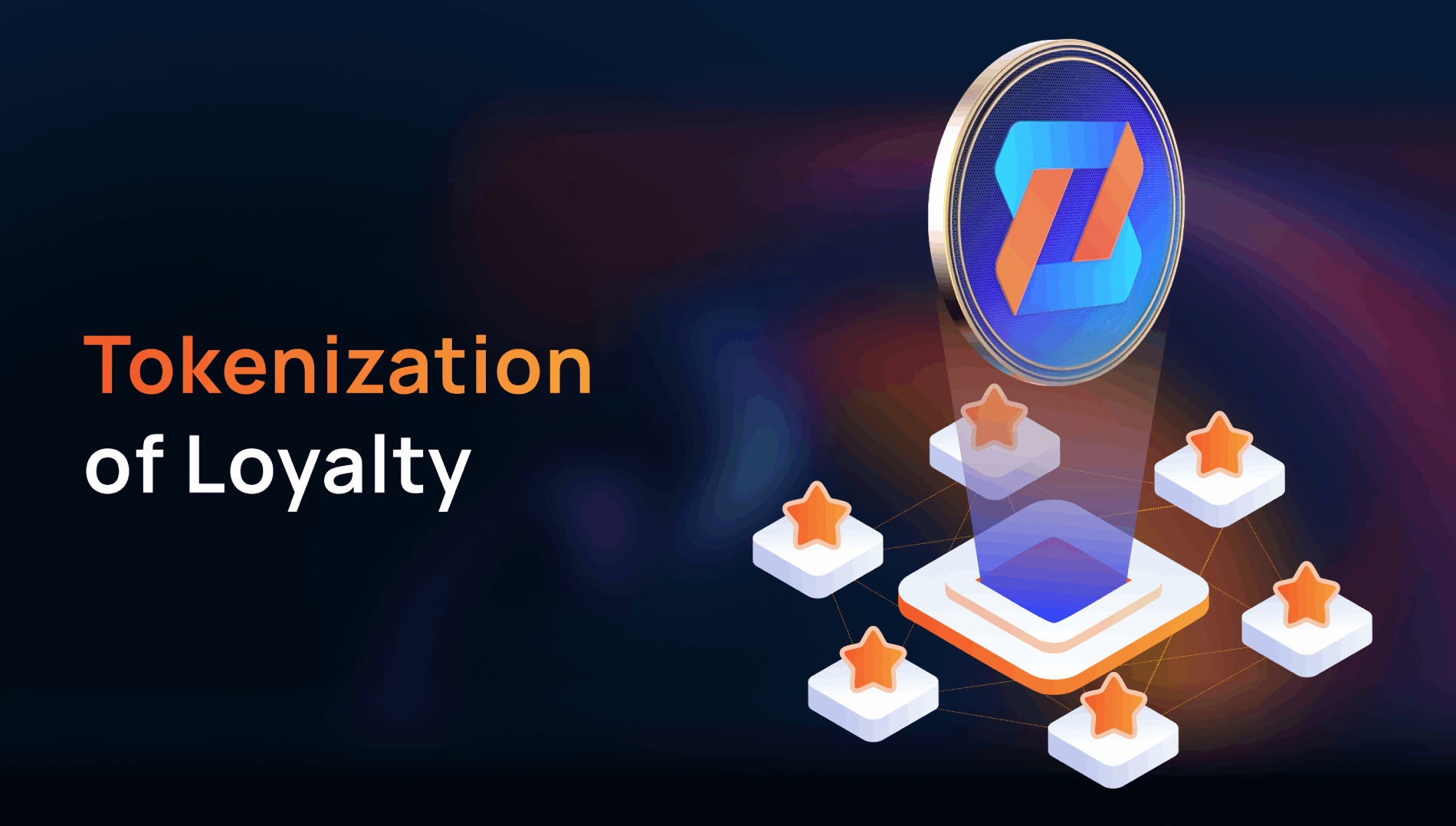
Choose a blockchain infrastructure that aligns with your target audience. For consumer brands, layer-2 solutions like Polygon or Base offer low transaction fees and fast settlement times. Platforms like Enable3 provide white-label solutions that simplify the integration of tokenization into existing CRM systems without requiring customers to manage complex wallets directly.
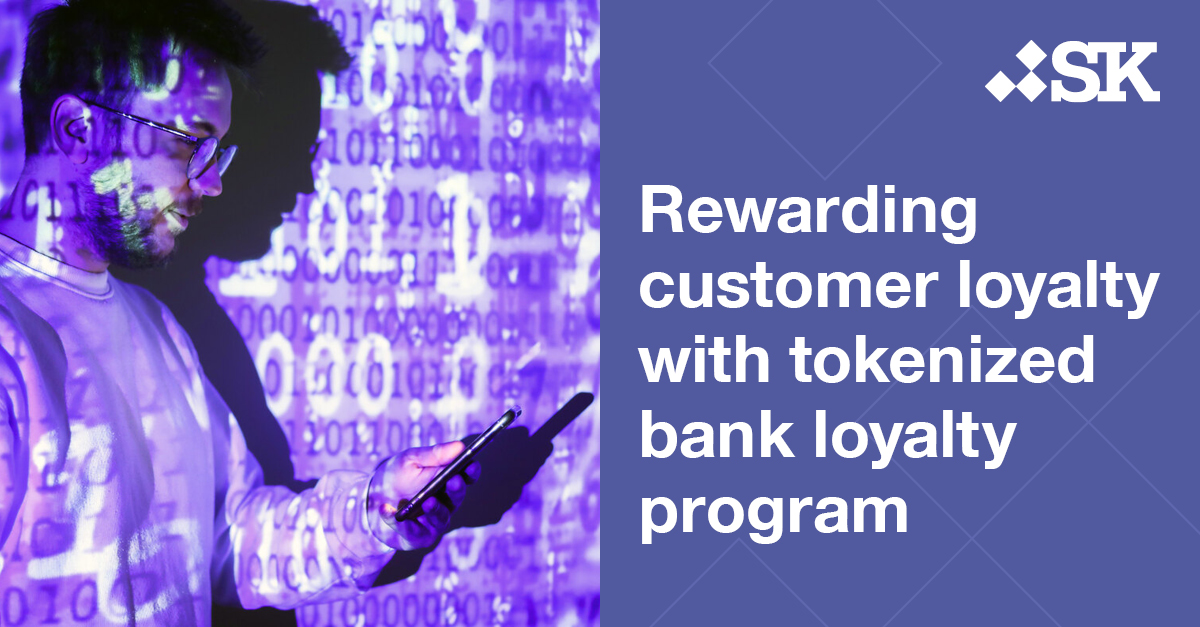
Define how tokens are earned, spent, and burned. Unlike traditional points, tokens can be transferred or sold, which introduces inflation risks. Set clear rules for supply caps and redemption rates. For example, Starbucks Odyssey used a fixed supply model to ensure scarcity and value retention, preventing the devaluation that often plagues traditional loyalty points.

Connect your token smart contracts to your e-commerce or POS backend. This ensures that every purchase automatically mints or burns tokens. Use APIs to sync customer data so that tier status and rewards are updated in real time. The integration must be seamless; if the process feels like a technical hurdle, adoption will drop.
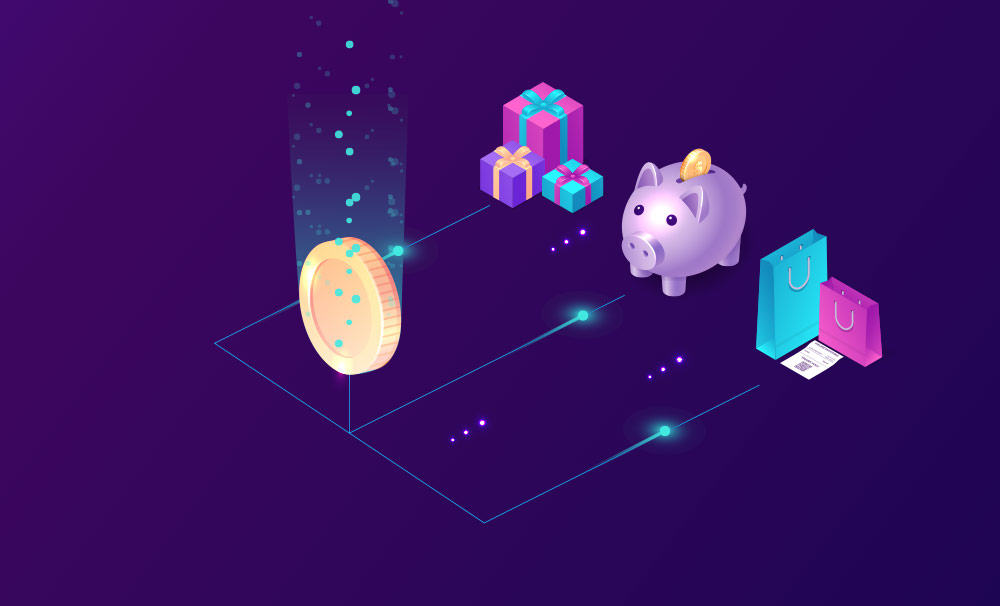
Most consumers do not have crypto wallets. Implement "social login" or custodial wallet solutions that allow users to sign up with an email or phone number. The backend can manage the private keys, while the frontend presents a familiar app interface. This reduces friction and makes the token feel like a standard digital asset rather than a complex financial instrument.
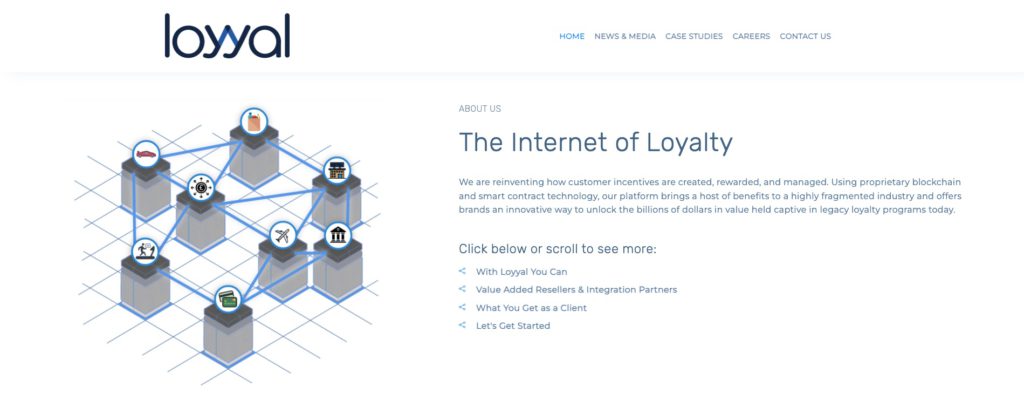
Release the program to a small segment of loyal customers first. Monitor transaction volumes, redemption rates, and support tickets. Adjust the tokenomics based on real-world behavior before a full-scale rollout. This phase helps identify bugs in the smart contracts and ensures the user experience is intuitive.
Market performance and adoption trends
Tokenized loyalty programs are moving from experimental pilots to core retention strategies. Research indicates that offering tokenized rewards directly increases booking intentions and customer engagement, particularly in the hospitality sector. Brands like Starbucks, Nike, and Dolce & Gabbana have already integrated these systems, signaling a shift toward Web3-native customer relationships.
The financial infrastructure supporting this shift is maturing. As brands issue loyalty tokens, their value becomes tied to broader crypto market dynamics. A TechnicalChart below illustrates the volatility and growth patterns of related digital assets, which often serve as the underlying liquidity for these programs.
Adoption rates correlate with the stability of these underlying assets. When tokenized rewards maintain value, retention metrics improve. This section highlights the growing intersection of traditional loyalty mechanics and decentralized finance, where customer data and rewards are increasingly treated as transferable assets.
Common Implementation Mistakes
Building a tokenized loyalty program requires more than just issuing a digital asset. Most projects fail because they treat the token as a marketing gimmick rather than a functional utility. When the underlying economics or user experience are flawed, retention drops and regulatory risks rise.
Poor Tokenomics Design
A common error is creating tokens with no clear utility or unsustainable reward rates. If the token supply inflates faster than the value it provides, holders will sell immediately, causing a death spiral. Tokenomics must align incentives: rewards should be earned through meaningful engagement, not just sign-ups. Without a deflationary mechanism or clear burn utility, the program becomes a liability rather than an asset.
Complex Onboarding
Blockchain friction kills adoption. Forcing customers to set up wallets, manage private keys, or understand gas fees creates a massive barrier. Successful programs abstract this complexity away. Users should interact with the token as seamlessly as they do with traditional points, using custodial wallets or account abstraction on the backend. If onboarding takes more than two minutes, you will lose the majority of your potential members.
Regulatory Non-Compliance
Treating loyalty tokens as pure rewards is safe; treating them as investment vehicles is not. If a token appreciates in value or can be traded on secondary markets, it may be classified as a security by regulators like the SEC. Programs must clearly define whether tokens are non-transferable rewards or tradeable assets. Legal counsel should review the smart contract structure to ensure compliance with local securities laws before launch.
No comments yet. Be the first to share your thoughts!