
Define your loyalty token goals
Before writing a single line of smart contract code, you must establish what the token is meant to achieve. Traditional loyalty programs are siloed databases where points are locked into a single brand ecosystem. Tokenized programs replace these databases with transferable digital assets, fundamentally changing the customer relationship from a closed loop to an open economy.
The primary strategic advantage of tokenization is tradability. Unlike standard points that can only be redeemed for future purchases from the issuing merchant, tokens can be exchanged, sold, or traded on secondary markets. This liquidity transforms rewards from a static discount into a dynamic asset, significantly increasing customer lifetime value by giving holders real-world economic agency.
Interoperability is the second critical goal. By issuing tokens on public blockchains, brands can allow points to be used across partner networks or even outside their own ecosystem. This creates a utility that traditional points cannot match, as customers are no longer restricted to a single vendor’s inventory.
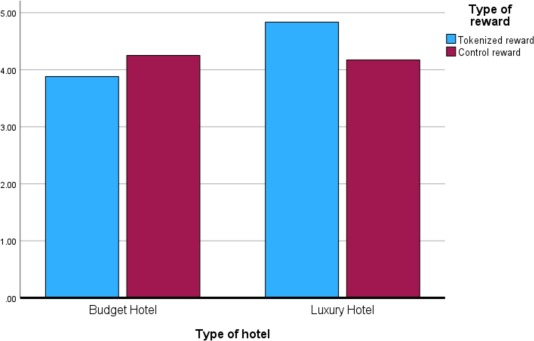
Research indicates that this shift in value perception drives higher engagement. When customers view rewards as tradable assets rather than simple discounts, they are more likely to accumulate and actively manage their balances, leading to deeper brand loyalty and increased transaction frequency.
Choose the right blockchain and token standard
Selecting the correct infrastructure is the foundation of a tokenized loyalty program. Your choice determines transaction costs, user accessibility, and the flexibility of your rewards. You need to balance technical capability with the actual needs of your customers.
Start by choosing the token standard. ERC-20 tokens are fungible, meaning each token is identical and interchangeable. This is the standard for points-based systems where customers earn and redeem value like currency. ERC-721 tokens are non-fungible (NFTs). These represent unique items, such as limited-edition collectibles or tier-specific status badges. Most loyalty programs benefit from ERC-20 for everyday rewards, while using ERC-721 for premium, exclusive experiences.
Next, select the blockchain network. Layer-1 chains like Ethereum offer high security but often have high gas fees that make small reward transactions impractical. Layer-2 solutions like Polygon or Solana provide near-instant finality with fractions of a cent in fees. This low cost is essential for micro-rewards that drive frequent customer engagement.
| Feature | ERC-20 Token | ERC-721 Token | Layer-2 Chain (e.g., Polygon) | Layer-1 Chain (e.g., Ethereum) |
|---|---|---|---|---|
| Best Use Case | Points, cashback, fungible rewards | Unique collectibles, tier badges | High-volume micro-transactions | High-value, low-frequency rewards |
| Transaction Cost | Low | Low | Fraction of a cent | High (variable gas fees) |
| User Experience | Simple, familiar | Requires wallet management | Fast, low friction | Slower, higher friction |
| Flexibility | High (interchangeable) | Low (unique ownership) | High (scalable) | Medium (limited throughput) |
| Feature | ERC-20 | ERC-721 | Layer-2 | Layer-1 |
|---|---|---|---|---|
| Best Use Case | Points, cashback, fungible rewards | Unique collectibles, tier badges | High-volume micro-transactions | High-value, low-frequency rewards |
| Transaction Cost | Low | Low | Fraction of a cent | High (variable gas fees) |
| User Experience | Simple, familiar | Requires wallet management | Fast, low friction | Slower, higher friction |
| Flexibility | High (interchangeable) | Low (unique ownership) | High (scalable) | Medium (limited throughput) |
The decision often comes down to volume. If your program relies on frequent, small interactions, a Layer-2 chain with ERC-20 tokens is usually the most efficient path. For high-value, exclusive rewards, a Layer-1 chain may provide the necessary security and prestige. Ensure your choice aligns with your customers' technical comfort level to avoid friction at redemption.
Design the token economy and rewards
A tokenized loyalty program fails if the token inflates or becomes worthless. You must structure the economy so that earning is predictable, redemption is valuable, and supply is managed. This section outlines the core mechanics to keep your token stable and attractive to customers.
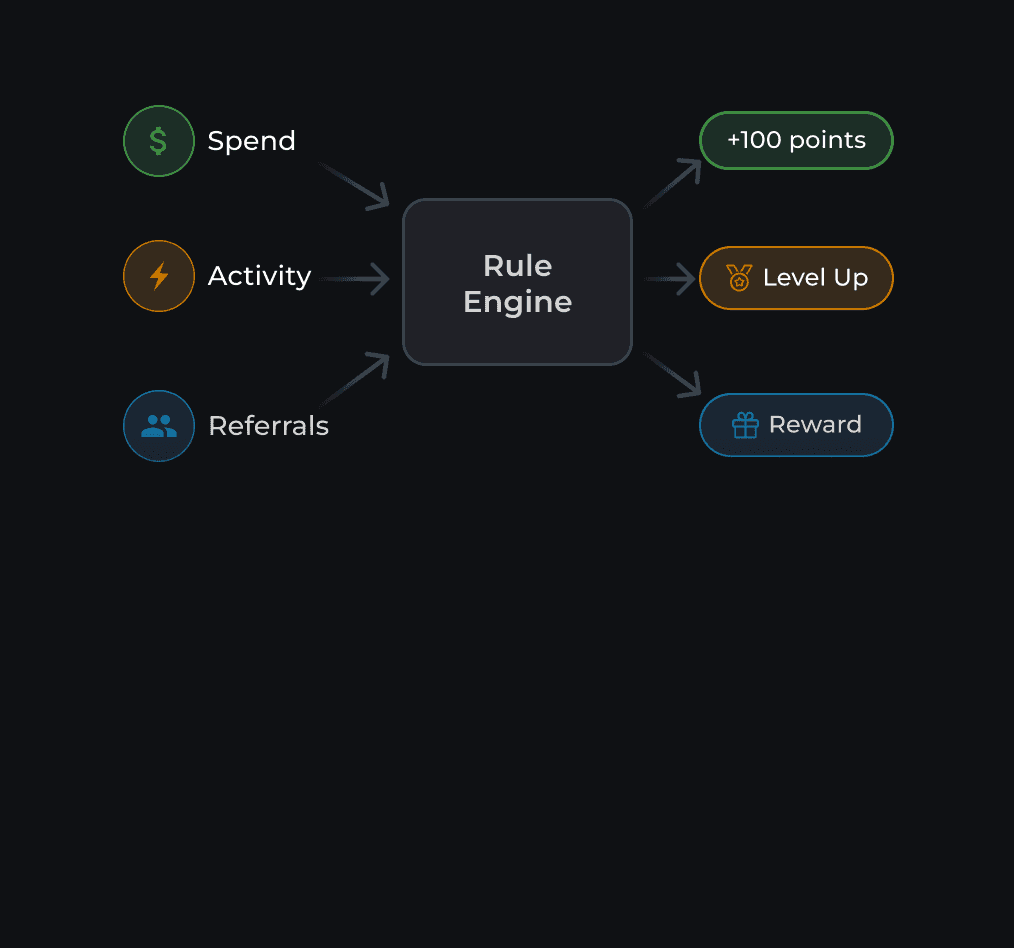
Set clear, automated rules for when customers earn tokens. Link issuance directly to measurable actions like purchases, referrals, or engagement milestones. Avoid vague criteria that confuse users or create accounting liabilities. Smart contracts should execute these rewards instantly to build trust and transparency.
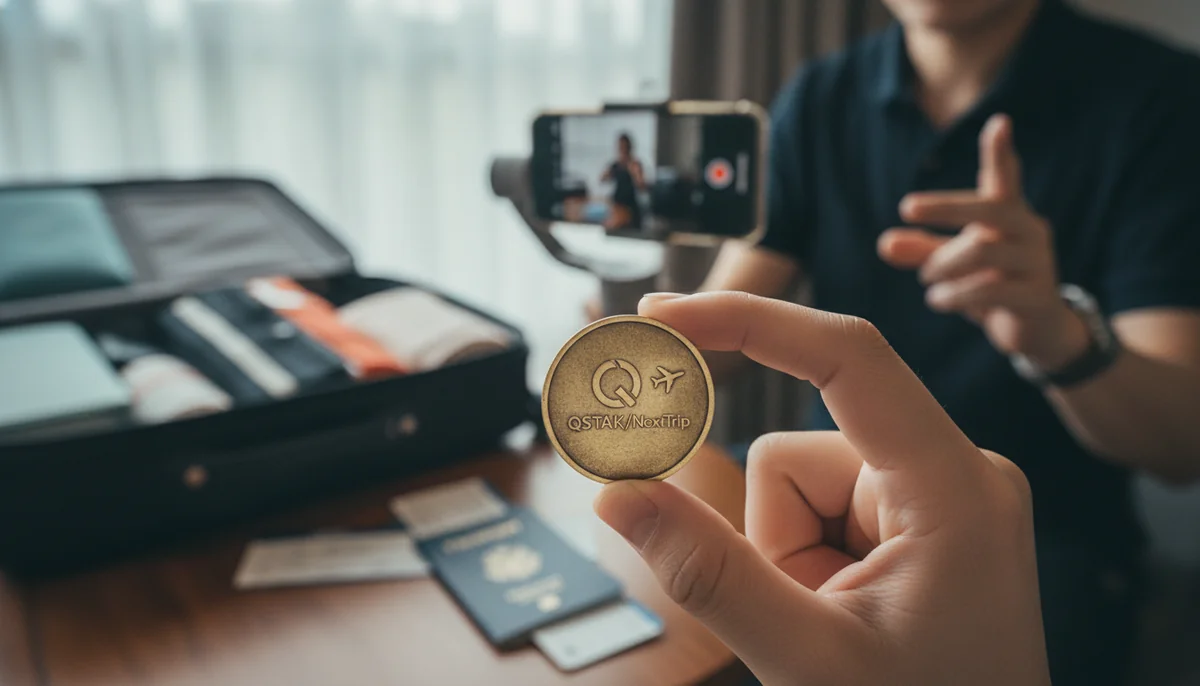
Implement a deflationary pressure to prevent supply from outpacing demand. A portion of tokens should be permanently removed from circulation (burned) when they are used for redemptions, secondary market fees, or specific premium upgrades. This scarcity helps maintain the token’s purchasing power over time, protecting the value of remaining holdings.
Create a tiered redemption structure that offers varying levels of value. Basic tiers might allow small discounts or digital goods, while premium tiers unlock exclusive experiences or high-value physical items. This structure encourages users to accumulate more tokens to reach higher tiers, increasing engagement and lifetime value. Ensure the exchange rate is clearly communicated to avoid frustration.
Research indicates that tokenized rewards can significantly increase booking intentions and customer loyalty when designed correctly. By focusing on sustainable tokenomics rather than aggressive acquisition, you build a program that retains users long-term. The goal is a self-sustaining economy where tokens feel like valuable currency, not just points.
Integrate with existing customer systems
Linking blockchain infrastructure to legacy CRM and POS systems is the most complex phase of launching a tokenized loyalty program. The goal is to make token issuance and redemption invisible to the end user while ensuring real-time synchronization with your existing customer data.
1. Map customer identities to digital wallets
You must establish a secure bridge between traditional customer records (email, phone, CRM ID) and blockchain wallet addresses. This process, often called "wallet onboarding," allows you to assign a unique wallet to each customer profile without requiring them to manage private keys manually. Use custodial or smart contract wallets that abstract away complexity. This ensures that when a customer earns tokens, they appear in their existing account interface, not just a separate crypto wallet.
2. Connect POS systems to trigger token issuance
Integrate your point-of-sale (POS) software with the blockchain network via API. When a transaction is completed, the POS system should send a validated event to your backend. This event triggers a smart contract to mint and transfer the appropriate token amount to the customer's wallet. Ensure this process happens in near real-time to maintain trust. If the token appears hours later, the perceived value and immediacy of the reward diminish significantly.
3. Sync redemption logic with CRM and inventory
Your CRM must be able to read the token balance from the blockchain and deduct it during redemption. This requires a two-way sync: the POS checks the wallet balance before applying the discount, and the smart contract updates the ledger immediately upon redemption. This prevents double-spending and ensures that loyalty liabilities are accurately reflected in your financial records. Interoperability is key here; as noted by industry experts, tokenized rewards offer the advantage of being transferable and usable across different platforms, but your internal systems must handle this consistency first.
4. Implement robust error handling and reconciliation
Blockchain transactions can fail due to network congestion or gas issues. Your integration must include retry logic and a reconciliation dashboard. If a token transfer fails, the POS should hold the transaction or flag it for manual review rather than losing the sale. Regularly audit the difference between your internal CRM ledger and the on-chain token supply to ensure they match. This reconciliation step is critical for maintaining financial accuracy and customer trust in the program's integrity.
Common Mistakes in Tokenized Loyalty Programs
Building a tokenized loyalty program requires more than just minting a digital asset. Many brands stumble on technical and regulatory hurdles that frustrate users and create legal exposure. Avoiding these pitfalls ensures your program drives engagement rather than churn.
Ignoring Gas Fees and Network Costs
High transaction fees can destroy the value of small-point rewards. If a user pays $5 in gas to redeem 50 points, the program feels broken. Deploy on low-cost Layer 2 networks or use account abstraction to sponsor fees. This keeps the experience frictionless for the average consumer who doesn’t understand blockchain mechanics.
Poor User Experience (UX)
Requiring users to manage private keys and seed phrases is a major barrier. Most customers aren’t crypto-native. Integrate wallet onboarding tools that abstract away complexity, such as social logins or email-based wallets. If the setup takes more than two minutes, you will lose most of your sign-ups.
Regulatory Non-Compliance
Tokenized rewards can sometimes be classified as securities depending on how they are structured and traded. This varies by jurisdiction. Consult legal experts early to ensure your tokens are structured as utility assets, not investment contracts. Non-compliance can lead to fines or program shutdowns.
Launch checklist for tokenized rewards
Before going live, verify that your tokenized loyalty program is secure, compliant, and ready for user adoption. A rushed launch can lead to smart contract vulnerabilities or regulatory penalties, so treat this phase as a final gate rather than a formality.
1. Audit smart contracts
Engage a reputable third-party auditor to review your token contract and reward distribution logic. Ensure the code is free of reentrancy vulnerabilities and that token minting/burning functions are properly restricted. This step is non-negotiable for maintaining user trust and asset security.
2. Test wallet integration
Run end-to-end tests with major wallets like MetaMask and Coinbase Wallet. Verify that users can receive tokens, view balances, and redeem rewards without transaction failures. Test edge cases, such as low gas fees or network congestion, to ensure a smooth experience.
3. Review legal compliance
Consult with legal counsel to ensure your token structure complies with local securities laws and anti-money laundering (AML) regulations. Clearly define the terms of service, especially regarding token transferability and redemption rights. This protects your business from potential regulatory scrutiny.
4. Set up monitoring
Deploy real-time monitoring tools to track transaction volumes, token distribution, and potential anomalies. Set up alerts for unusual activity, such as sudden spikes in redemptions or failed transactions. This allows your team to respond quickly to technical issues or security threats.
5. Prepare customer support
Train your support team on the specifics of tokenized rewards, including how to troubleshoot common wallet issues and explain token value. Create a comprehensive FAQ and help center articles to reduce ticket volume. Clear communication is key to user adoption and satisfaction.
No comments yet. Be the first to share your thoughts!