

NFT Loyalty Cards for Retail Brands: Building Tradable Blockchain Rewards Programs

Retail brands face fierce competition for customer loyalty, but NFT loyalty cards powered by blockchain are rewriting the rules. Imagine turning routine purchases into collectible, tradable digital assets that customers cherish, share, and redeem across platforms. This isn’t hype; it’s a strategic shift backed by giants like Starbucks and Nike, who have already seen engagement soar through these innovative programs.

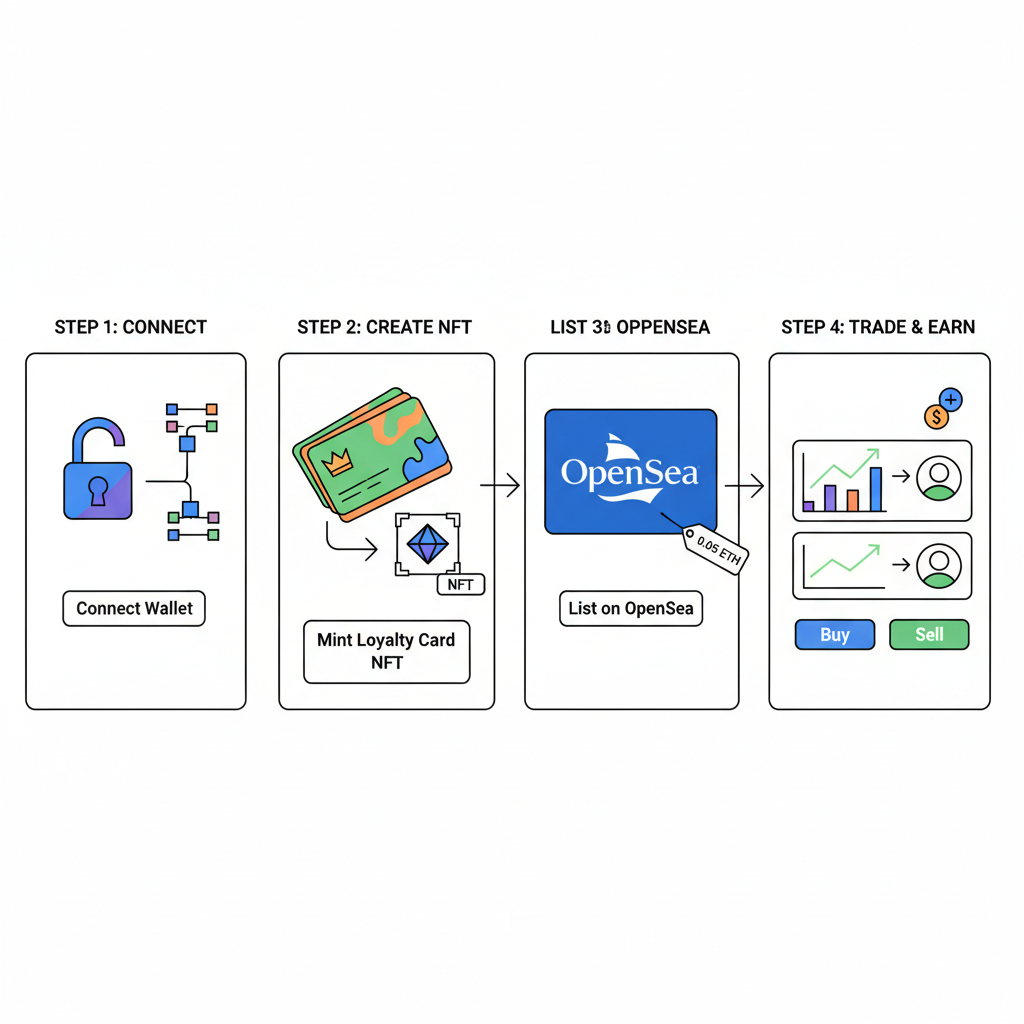
Traditional loyalty points gather dust in apps, often forgotten or devalued by expiration dates and limited redemption options. Enter tokenized loyalty programs blockchain, where NFTs become unique loyalty cards offering exclusivity and ownership. Customers earn them for purchases, referrals, or social shares, then trade them on marketplaces or hold for escalating perks. This model boosts retention while opening new revenue from secondary markets.
Why Retail Brands Can’t Ignore NFT Loyalty Cards Anymore
The data speaks volumes. Recent studies from ScienceDirect highlight how blockchain-based NFTs in loyalty programs reshape consumer behavior, driving higher motivation through scarcity and provenance. Antavo calls it the latest industry trend, shaking up marketing by fostering genuine brand love. For Shopify stores and e-commerce players, Mintology reports top brands using NFTs to spike retention rates.
Brands offering NFT rewards see customers returning 30-50% more frequently, per industry benchmarks.
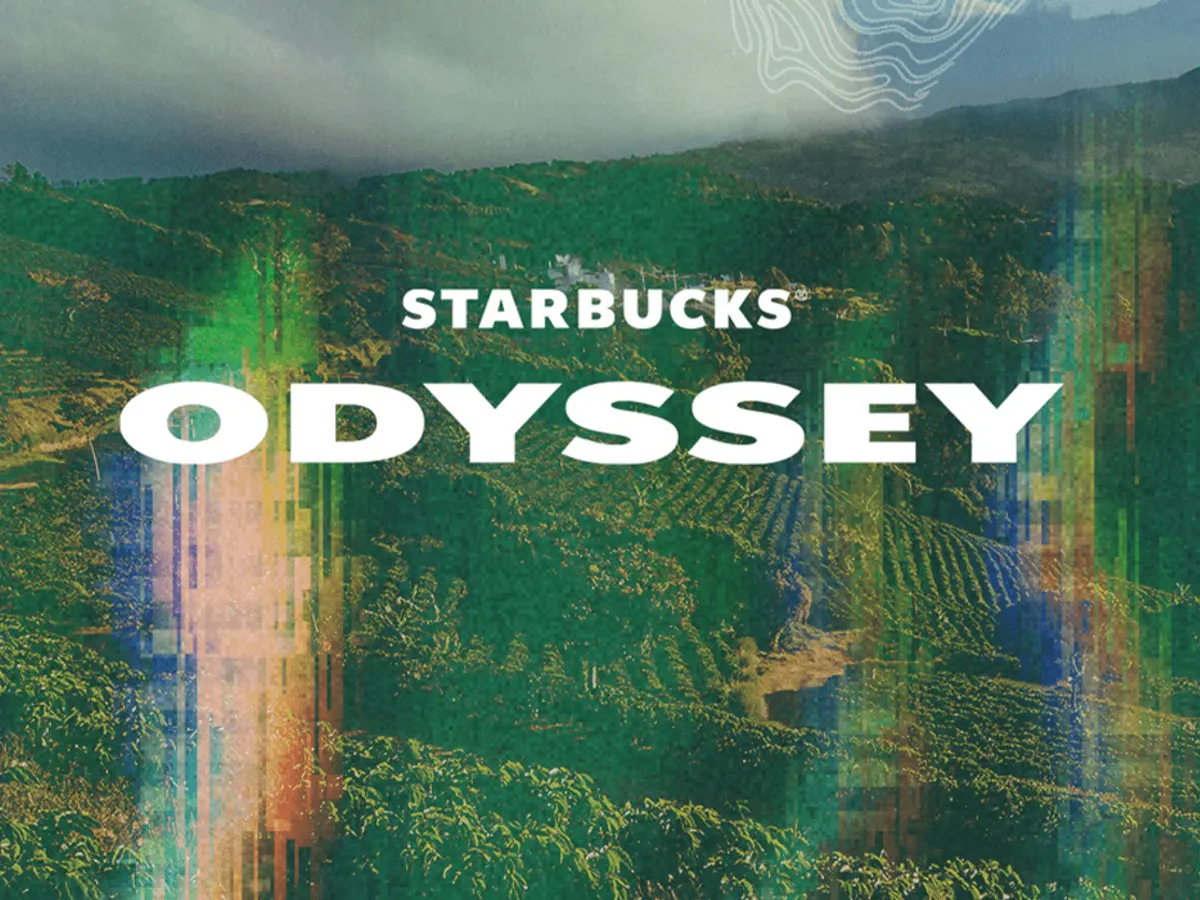
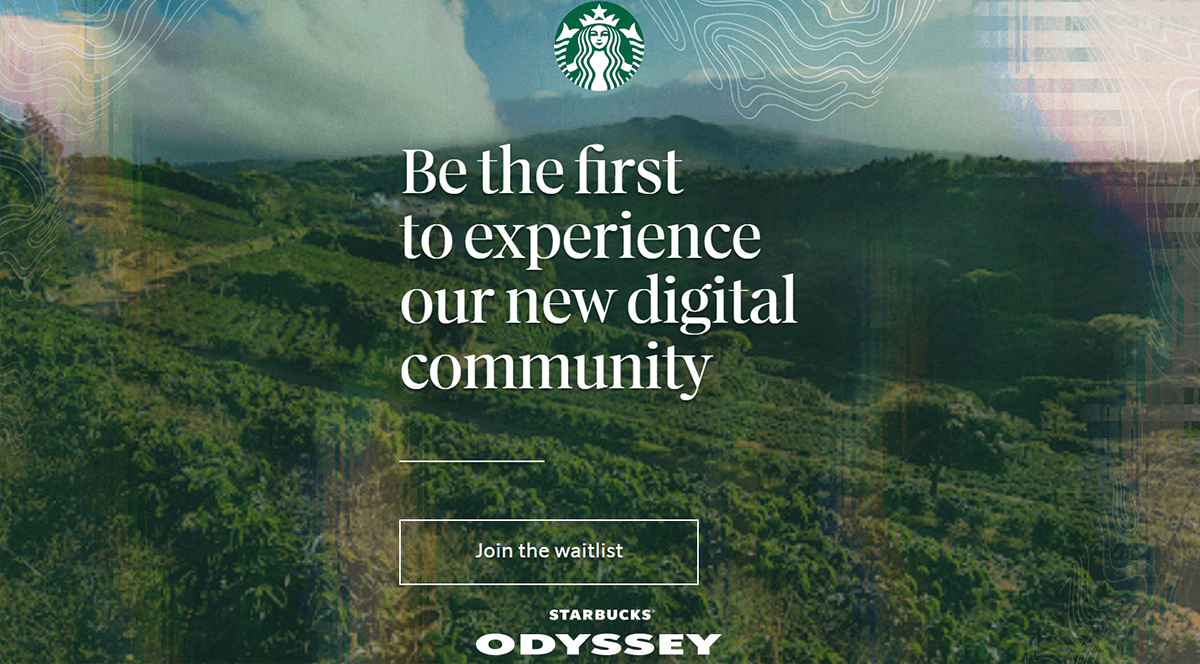
Take Starbucks Odyssey: customers earn digital stamps without needing a crypto wallet, unlocking journeys with real-world rewards like merchandise and events. Nike’s. Swoosh lets users collect virtual sneakers, join challenges, and access drops. These aren’t gimmicks; they’re blockchain customer retention retail tools that leverage transparency to build trust. Retailers adopting early position themselves as Web3 leaders, reassuring stakeholders of forward-thinking strategies.
Unlocking Tradable Loyalty Tokens for Deeper Engagement
Tradable loyalty tokens elevate rewards beyond silos. Unlike static points, NFT cards live on blockchains like those from BNB Chain or thirdweb, enabling cross-platform use. Customers trade a fashion brand’s limited-edition card for coffee perks or event access, creating viral loops. Krayon Digital’s 2024 guide notes this interoperability combats fraud and unlocks liquidity.
Strategically, this reassures brands: tokenized assets appreciate, incentivizing long-term holding. Enable3’s 2026 beginner guide explains how unique, ownable tokens reward engagement, turning shoppers into advocates. For retail, it’s a win-win; customers feel empowered, while data from on-chain activities informs hyper-personalized campaigns. Check out how tokenized loyalty programs transform engagement for deeper insights.
Deploy Dynamic NFT Loyalty Cards with thirdweb: Secure, Scalable Rewards for Retail Brands
Strategic Benefits Tailored for E-Commerce Giants
In the realm of crypto rewards e-commerce, NFT loyalty cards deliver measurable ROI. Aetsoft emphasizes enterprise-grade programs where rewards span platforms, amplifying value. Coinmetro spotlights crypto loyalty as a retention powerhouse, with OAE Publishing detailing blockchain models for sectors like agribusiness that translate seamlessly to retail.
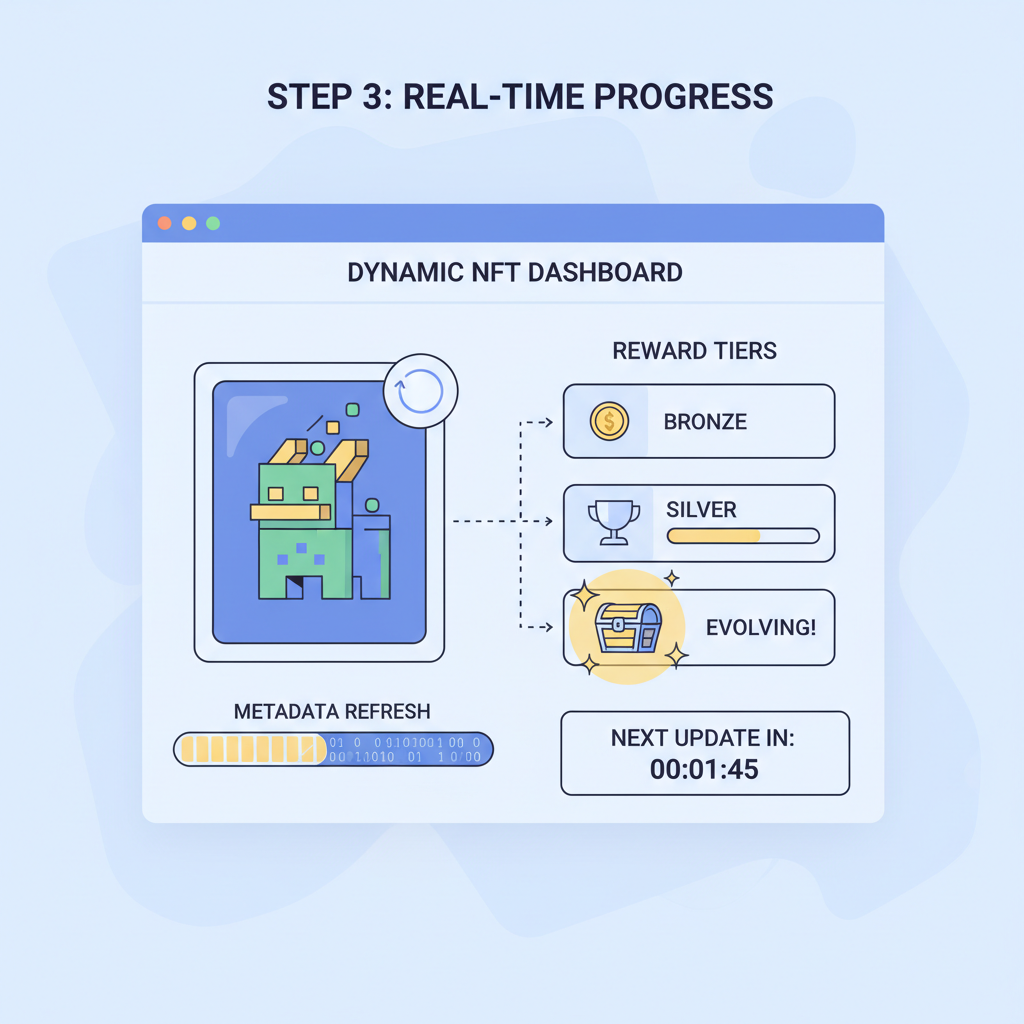
Key advantages include tamper-proof ownership, reducing redemption fraud by 90% in piloted programs. Dynamic NFTs evolve with user actions, like thirdweb’s loyalty contracts that update perks automatically. Retailers gain from secondary trading fees and brand exposure on marketplaces. Rest assured, this isn’t a tech gamble; it’s a balanced allocation in the token economy, diversifying beyond fiat points to thrive amid Web3 adoption.
Brands starting now mitigate risks by partnering with proven platforms, ensuring seamless integration without disrupting core operations. The reassurance comes from real results: higher lifetime value, organic virality, and resilient customer bonds in volatile markets.
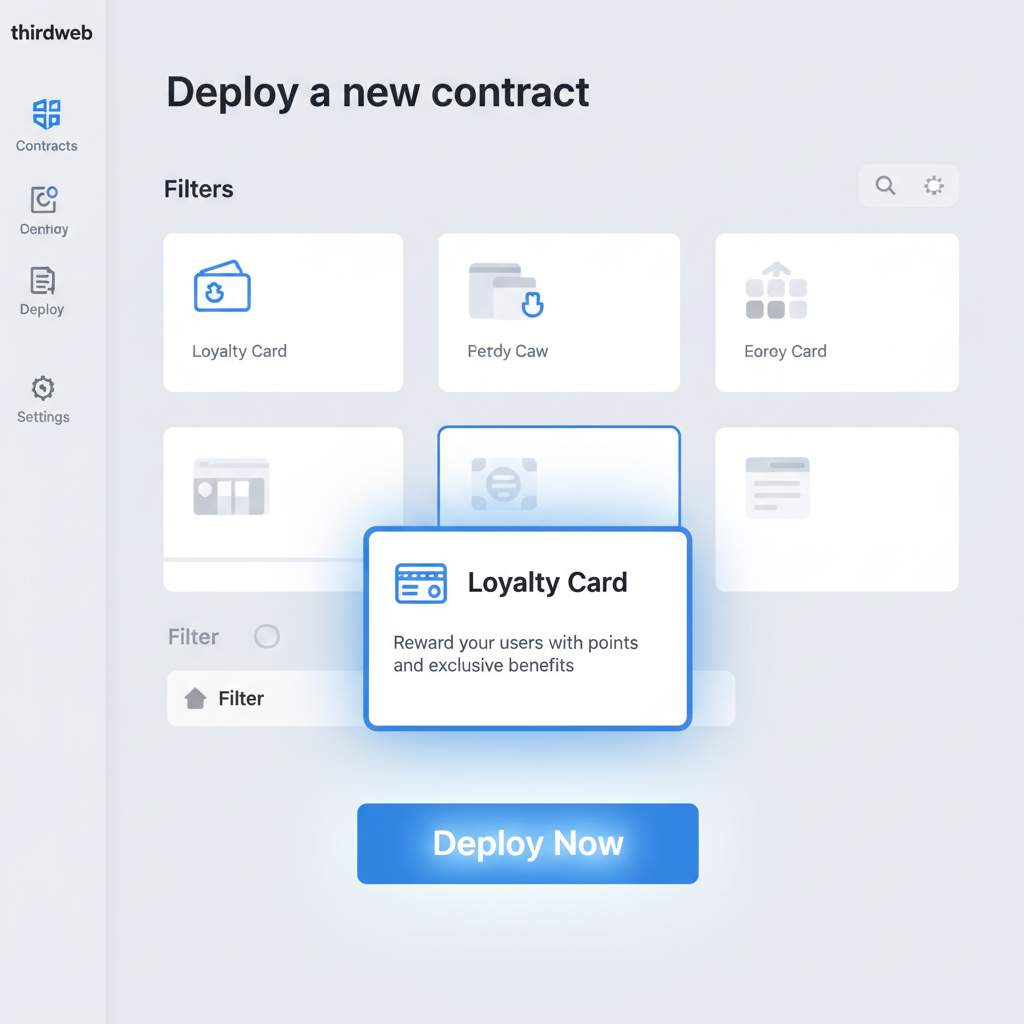
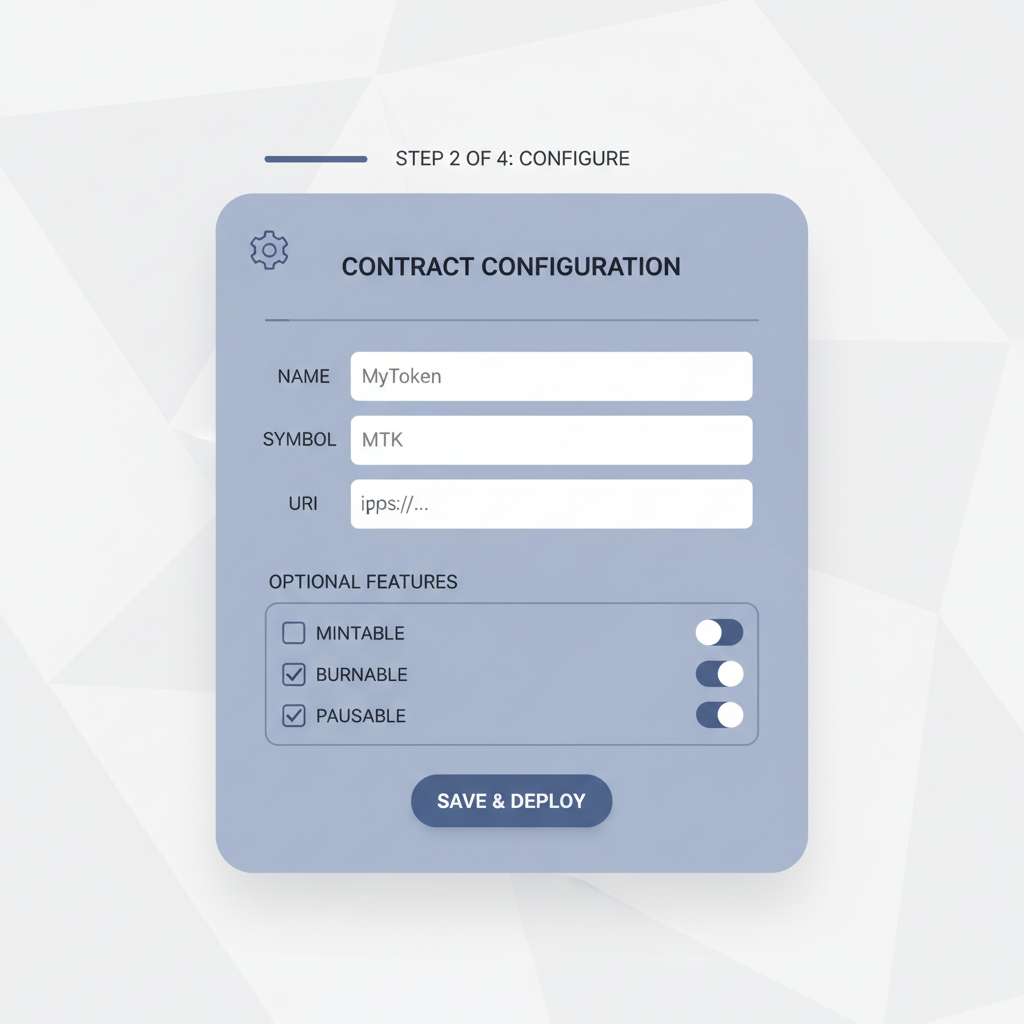
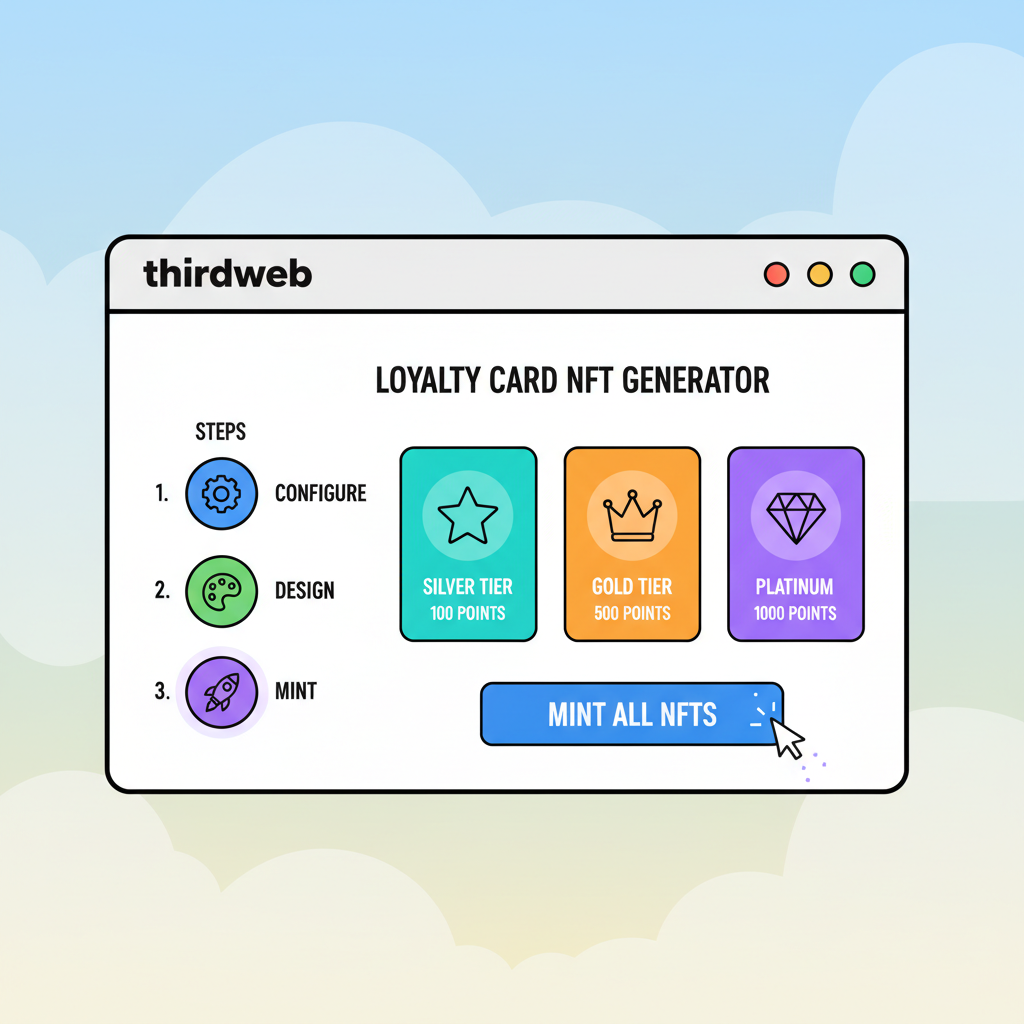
Implementing these programs requires a measured approach, blending Web3 innovation with retail realities. Start by assessing your customer base: do they crave exclusivity? Tools like thirdweb’s Loyalty Card contracts simplify dynamic NFTs that level up with engagement, reassuring even non-technical teams.
Step-by-Step Roadmap to Launching Your NFT Loyalty Program
Launch Tradable NFT Loyalty Cards: Your 6-Step Strategic Guide
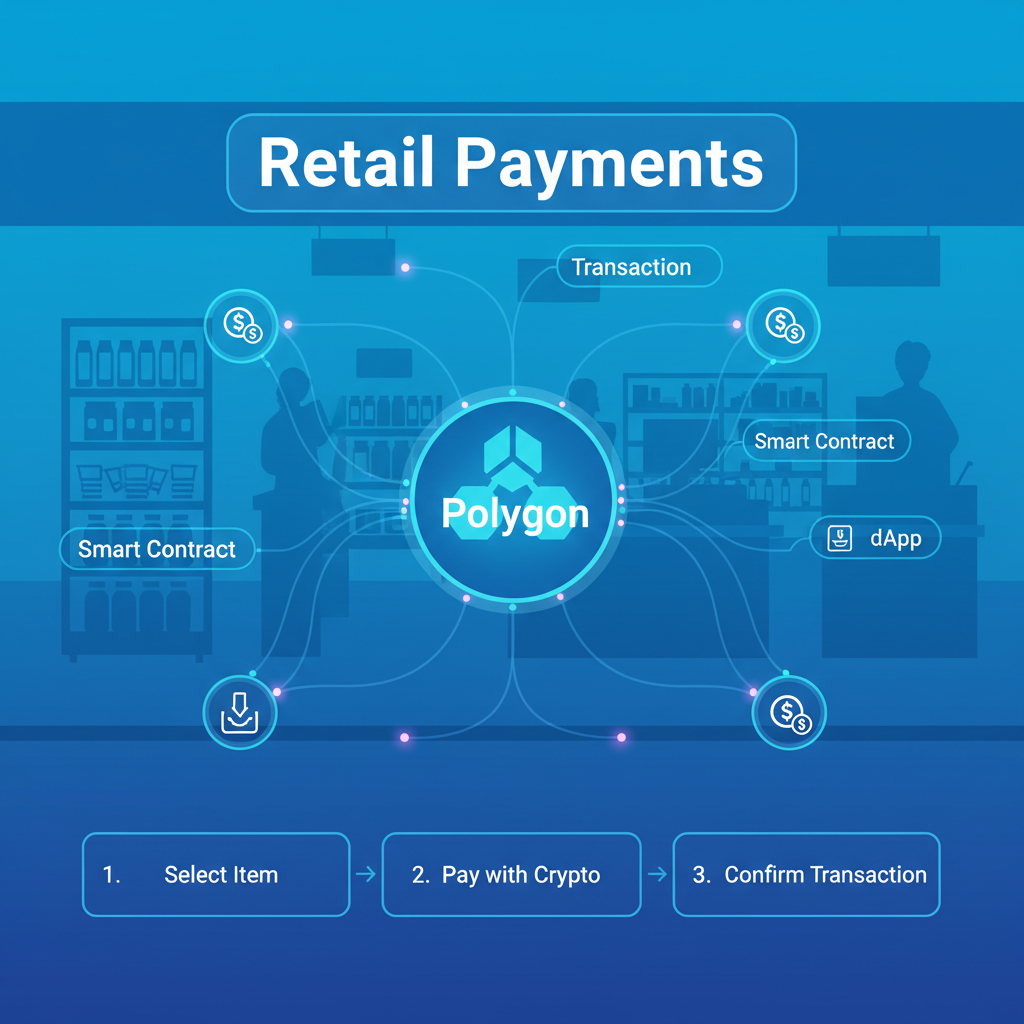
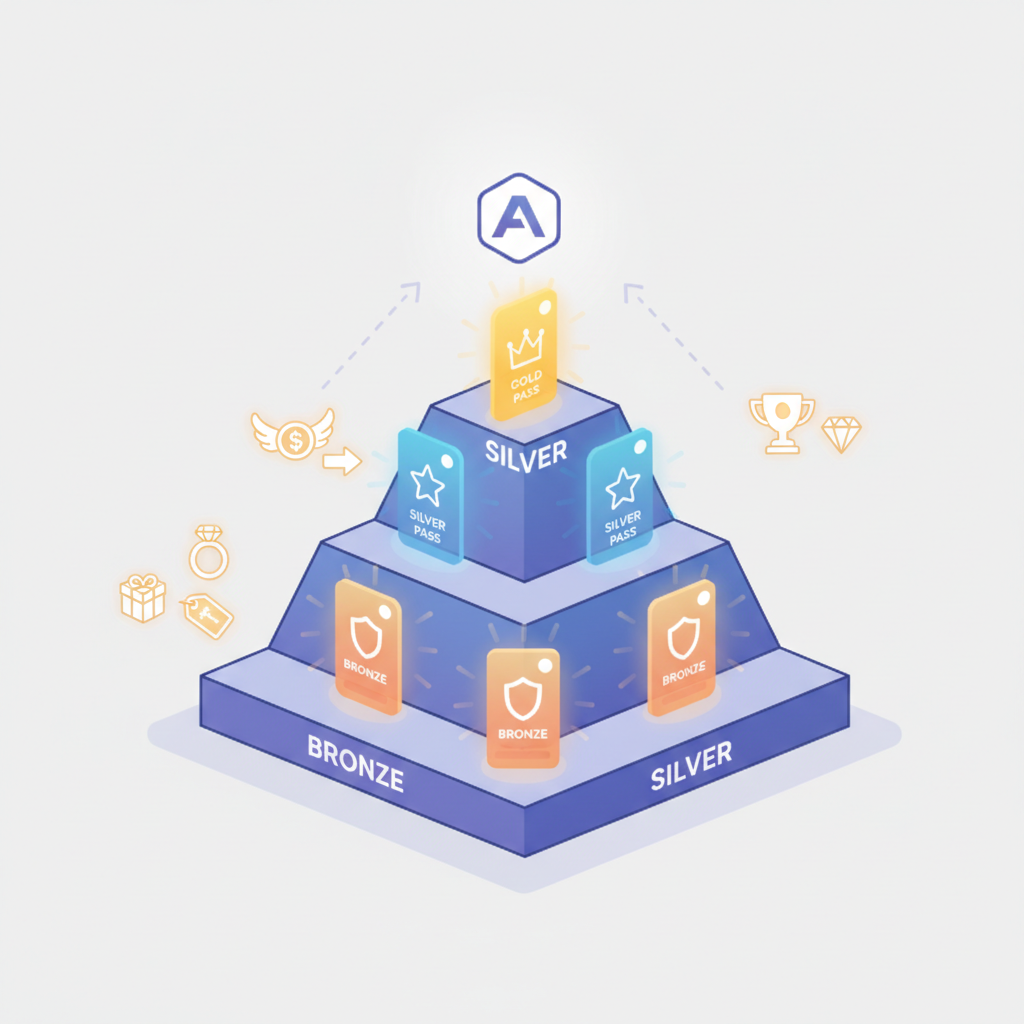
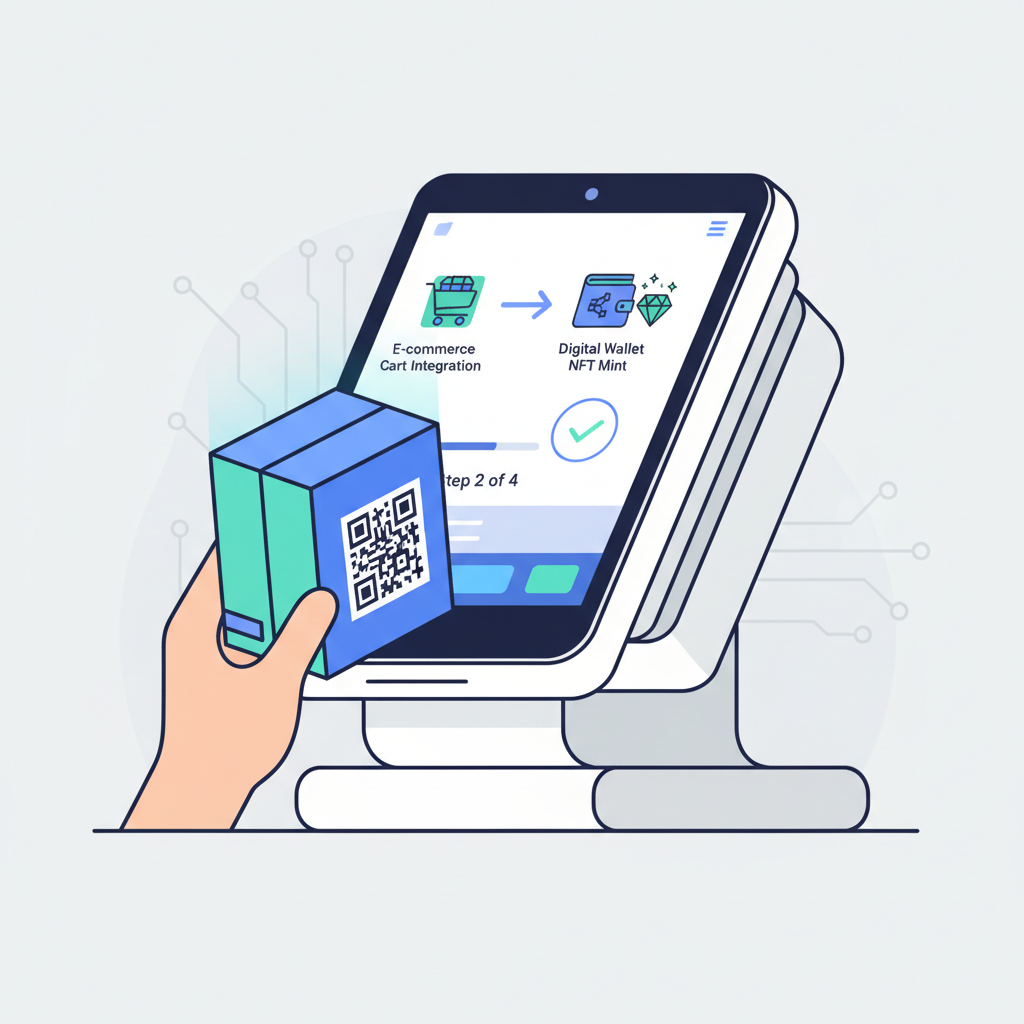
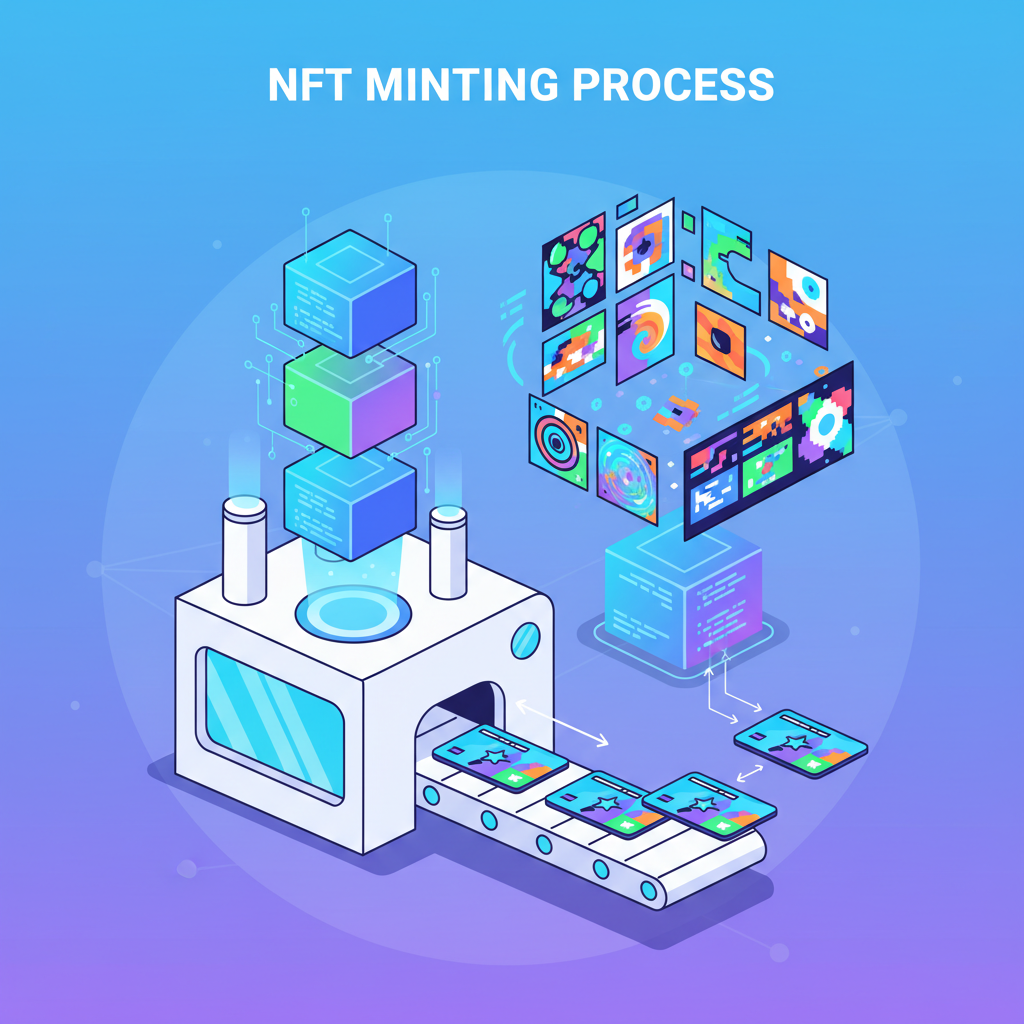
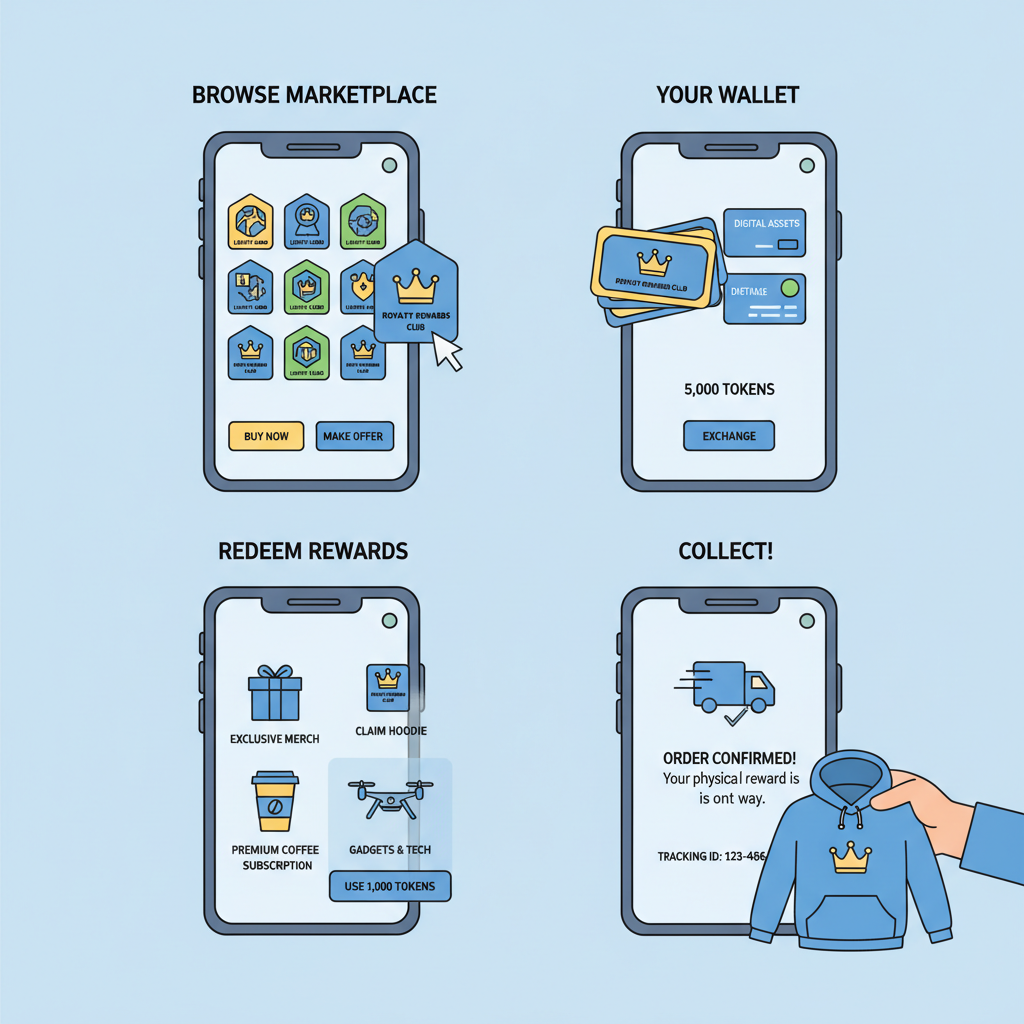
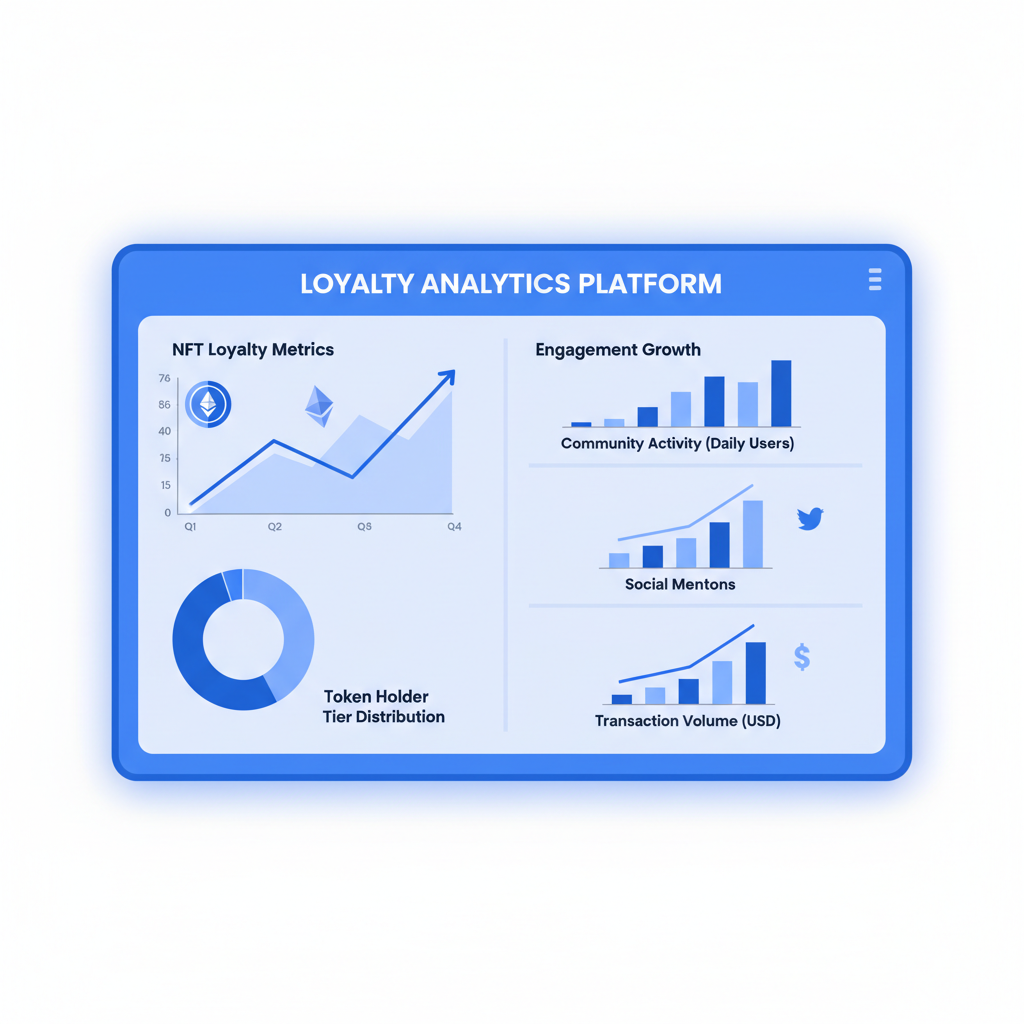
Once live, monitor on-chain metrics to refine offerings. This roadmap, drawn from Enable3’s 2026 guide and Mintology’s Shopify integrations, positions your brand for sustained growth without overcommitting resources.
Real-world proof abounds. Starbucks Odyssey has minted thousands of stamps, blending accessibility with blockchain magic; no wallet needed upfront keeps barriers low. Nike’s. SWOOSH turns sneakerheads into stakeholders, with digital collectibles unlocking physical drops. Smaller retailers echo this: a boutique chain using BNB Chain NFTs reported 40% referral uplift, per club membership models. These cases underscore tradable loyalty tokens as a retention multiplier.
Yet success hinges on strategy over speculation. As a portfolio manager steering Web3 loyalty assets, I advocate balanced rollouts: pilot with 10% of customers, iterate based on redemption data. Antavo’s trend analysis confirms NFT programs build lasting affinity, far outpacing points-based fatigue. ScienceDirect’s consumer study reveals heightened motivation from NFT scarcity, translating to repeat visits and higher carts.
Overcoming Hurdles in Blockchain Customer Retention
Skeptics cite complexity or volatility, but reassuring solutions exist. Use gasless minting on Layer 2s to sidestep fees; platforms like Aetsoft handle enterprise scalability. Educate via in-app tutorials, mirroring Starbucks’ wallet-free entry. Fraud? Blockchain’s immutability slashes it, as OAE’s agribusiness model proves adaptable to retail.
Regulatory clarity is advancing too; focus on utility NFTs avoids securities pitfalls. Diversify rewards – mix digital art, VIP access, merch – to hedge trends. Coinmetro’s crypto loyalty overview highlights tokenized incentives retaining users amid economic shifts.
The payoff? Resilient ecosystems where loyalty tokens accrue value, fostering communities that evangelize your brand. Retailers ignoring this risk obsolescence; those embracing it, like early adopters, command premium loyalty in a fragmented market.
Picture your shelves buzzing with NFT-fueled repeaters, secondary trades amplifying reach. This is the token economy’s promise: strategic depth meets customer delight. Allocate thoughtfully, launch iteratively, and watch retention metrics climb steadily.