
Tokenized Loyalty Tokens vs Traditional Points Exchanges Like IGC Loyalty for Retail Brands
In today’s retail arena, where customer retention hinges on more than just discounts, loyalty programs define success. Traditional setups like IGC Loyalty dazzle with digital treasure hunts and gamified perks, yet they trap value in silos. Tokenized loyalty tokens flip this script, leveraging blockchain for tradable loyalty points crypto that customers truly own and exchange freely. This shift isn’t hype; it’s a response to fractured engagement in outdated points exchanges.

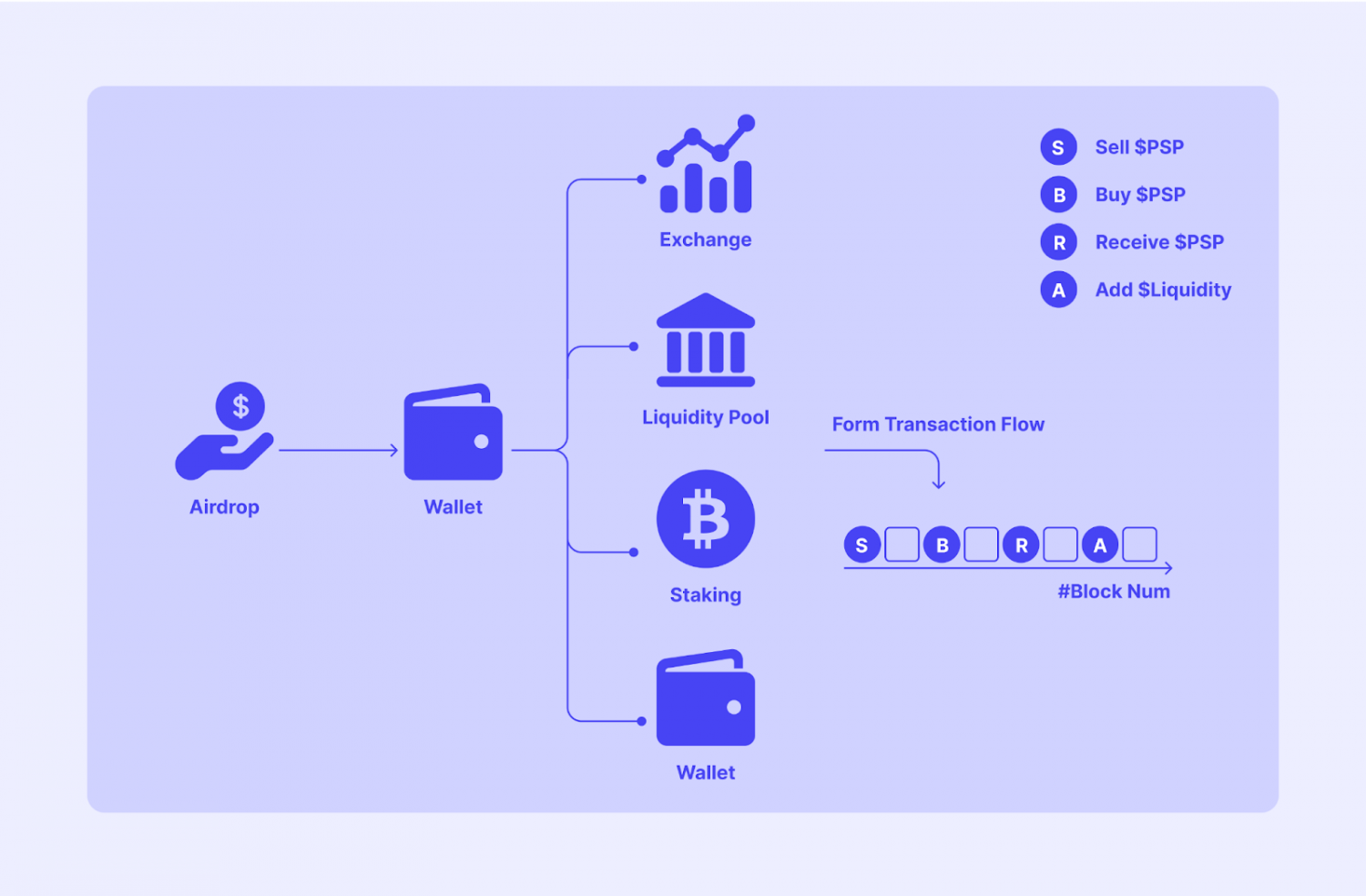
Retail brands grapple with loyalty fatigue. Customers accumulate points from IGC Loyalty or similar platforms, only to watch them expire or languish unredeemed. These systems shine in short-term excitement but falter long-term, as rewards stay brand-bound. Blockchain changes that calculus. A European fashion retailer, for instance, minted 1 billion tokens, doling out 200 million yearly to fuel sustained interaction, per Jasmine Directory insights.
Cracks in Traditional Points: Why IGC Loyalty Falls Short
IGC Loyalty packs punch with pop-up hunts and interactive shopping, fostering buzz. Still, its closed loop chokes potential. Points can’t trade or migrate ecosystems; they’re ghosts in a machine, redeemable solely within the brand’s walls. Deloitte notes blockchain slashes costs while unlocking efficiencies traditional models ignore. Customers sense this rigidity, leading to disengagement. Why hoard non-transferable points when crypto rewards beckon with liquidity?
Feature Comparison: Traditional (IGC-style) vs Tokenized Loyalty Programs
| Feature | Traditional (IGC-style) | Tokenized |
|---|---|---|
| Transferability | No | Yes |
| Interoperability | Closed | Open |
| Ownership | No | True |
| Engagement Boost | Standard | 28% Higher |
Harvard Business Review envisions blockchain enabling instant swaps across currencies on one platform. Oliver Wyman echoes this, highlighting seamless partnerships without added complexity. IGC’s gamification, clever as it is, can’t match such fluidity. Retailers stick with it for familiarity, but at the cost of innovation. As Forbes asserts, loyalty programs are broken; decentralization via blockchain mends them with transparency and security.
Tokenized Loyalty Tokens: Ownership That Drives Behavior
Picture rewards as assets, not IOUs. Tokenized loyalty tokens grant true ownership on blockchain ledgers, tamper-proof and verifiable. Customers trade them peer-to-peer, hold for appreciation, or redeem universally. This IGC Loyalty blockchain alternative boosts perceived value exponentially. BCG points to Web3 tokenization supporting novel loyalty paths, while Coinmetro details businesses morphing points into tokens for deeper ties.
Semantic Scholar research ties blockchain traits to motivations like economy and autonomy, fueling participation. Greenville Online spotlights firms issuing tokens for exchange or holding, mirroring crypto’s appeal. For retail loyalty programs blockchain isn’t fringe; it’s the interoperable rewards tokens future. A 28% engagement uplift underscores this, per recent data, as customers flock to programs mirroring Web3 dynamism.
Interoperability: The Game-Changer for Retail Ecosystems
Traditional exchanges silo value; tokenized systems bridge them. Imagine redeeming fashion tokens at grocers or swapping via DEXs. Blockchain App Factory case studies reveal top brands reshaping engagement thusly. This interoperability, core to retail loyalty programs blockchain, dismantles barriers. Deloitte’s blueprint shows cost reductions alongside full reward value realization. Retailers partnering via smart contracts scale effortlessly, sans legacy friction.
Read how these programs transform engagement at Onchain Loyal.
Brands embracing this forge partnerships that multiply rewards’ reach, turning one-time buyers into ecosystem advocates. The result? Loyalty that spans categories, unhindered by proprietary walls.
Navigating Risks: Balanced Approaches in Blockchain Rewards
Tokenized loyalty isn’t without hurdles. Volatility in underlying chains can unsettle token values, and regulatory scrutiny looms over crypto-tied rewards. Yet, as someone versed in hybrid portfolios, I see mitigation through stablecoins and diversified tokenomics. Peg rewards to fiat equivalents or layer governance for stability, slashing fraud risks that plague traditional points’ opaque ledgers. Retailers avoid IGC-style expiration pitfalls entirely; tokens persist as enduring assets. This IGC Loyalty blockchain alternative demands upfront tech investment but yields fraud-resistant engagement, with blockchain’s immutability ensuring trust.
Blockchain App Factory’s case studies from top brands illustrate this balance in action: a luxury chain tokenized perks, blending NFTs for exclusive drops with fungible tokens for everyday redemptions, boosting retention without volatility exposure. Oliver Wyman’s analysis reinforces how such setups maintain partnerships sans complexity, letting retailers focus on customer delight over backend drudgery.
ROI Metrics Comparison – Traditional vs Tokenized
| Approach | Cost Savings | Engagement Lift | Fraud Reduction | Partnership Scalability |
|---|---|---|---|---|
| Traditional | Minimal | Standard | Moderate | Limited |
| Tokenized | 30% | 28% | 90% | Unlimited |
These metrics aren’t abstract. Deloitte’s efficiencies translate to real dollars, while Harvard Business Review’s multi-currency vision materializes in interoperable ecosystems where tradable loyalty points crypto flow seamlessly.
Quantifying the Edge: Metrics That Matter for Retailers
Numbers tell the tale. Tokenized programs clock 28% higher engagement, per updated benchmarks, as customers treat rewards like portfolio pieces. Traditional IGC Loyalty shines in gamified spikes but averages lower lifetime value; points expire, enthusiasm wanes. Forbes nails it: decentralization injects transparency, letting users verify balances and transactions independently. Semantic Scholar links blockchain’s autonomy to sustained motivations, economic perks amplifying behavioral shifts.
Coinmetro spotlights crypto loyalty’s engagement surge, with businesses reporting doubled redemption rates. Greenville Online adds that token holders exchange or hodl, extending program life cycles far beyond seasonal campaigns. For retail loyalty programs blockchain, this means data-driven loyalty, analytics revealing cross-chain behaviors to refine offerings.
The Path Forward: Why Retail Brands Should Tokenize Now
Transitioning demands strategy, not upheaval. Start small: pilot tokenized tiers atop existing IGC frameworks, migrating high-value customers first. Web3’s maturity lowers barriers; tools from platforms like ours streamline issuance. BCG’s Web3 paths evolve from concepts to commodities, with tokenization anchoring ownership rights that customers crave. Loyalty fatigue ends when rewards feel like assets in a vibrant marketplace of interoperable rewards tokens.
Retailers hesitating risk obsolescence. Those acting cultivate communities where loyalty thrives on choice and control. The European retailer’s billion-token blueprint proves scalability; your brand’s version awaits.