

Tokenized Loyalty Programs for Retail: Turning Points into Tradable Blockchain Assets

In the competitive retail arena, loyalty programs have long been the cornerstone of customer retention, yet most operate on outdated rails that limit their potential. Imagine converting mundane points earned from coffee purchases into tradable blockchain assets that customers can swap, hold, or redeem across ecosystems. This is the promise of tokenized loyalty programs for retail, where blockchain loyalty tokens redefine value exchange. As brands grapple with fraud, low redemption rates, and siloed rewards, tokenization emerges not as a gimmick, but a risk-managed evolution toward interoperable loyalty rewards.

Why Traditional Loyalty Systems Fall Short
Conventional loyalty schemes, reliant on centralized databases, suffer from persistent vulnerabilities. Fraudsters exploit weak authentication, siphoning points worth millions annually; a 2023 Deloitte report pegged global losses at over $1 billion. Moreover, points often expire unused, with redemption rates hovering below 20% for many programs. Customers face fragmented experiences: airline miles unusable at grocery stores, retailer points locked to single brands. This rigidity stifles engagement in an era where consumers demand flexibility.
From my vantage in risk management, these flaws amplify operational risks. Mutable ledgers invite manipulation, while opaque accrual processes erode trust. Retailers pour resources into programs that fail to drive repeat business effectively, leaving value stranded on balance sheets.
5 Drawbacks of Traditional Loyalty Programs
-

Fraud Vulnerability: Traditional loyalty programs are susceptible to fraud, including account takeovers, fake enrollments, and point manipulation, as centralized databases lack blockchain-level security.
-
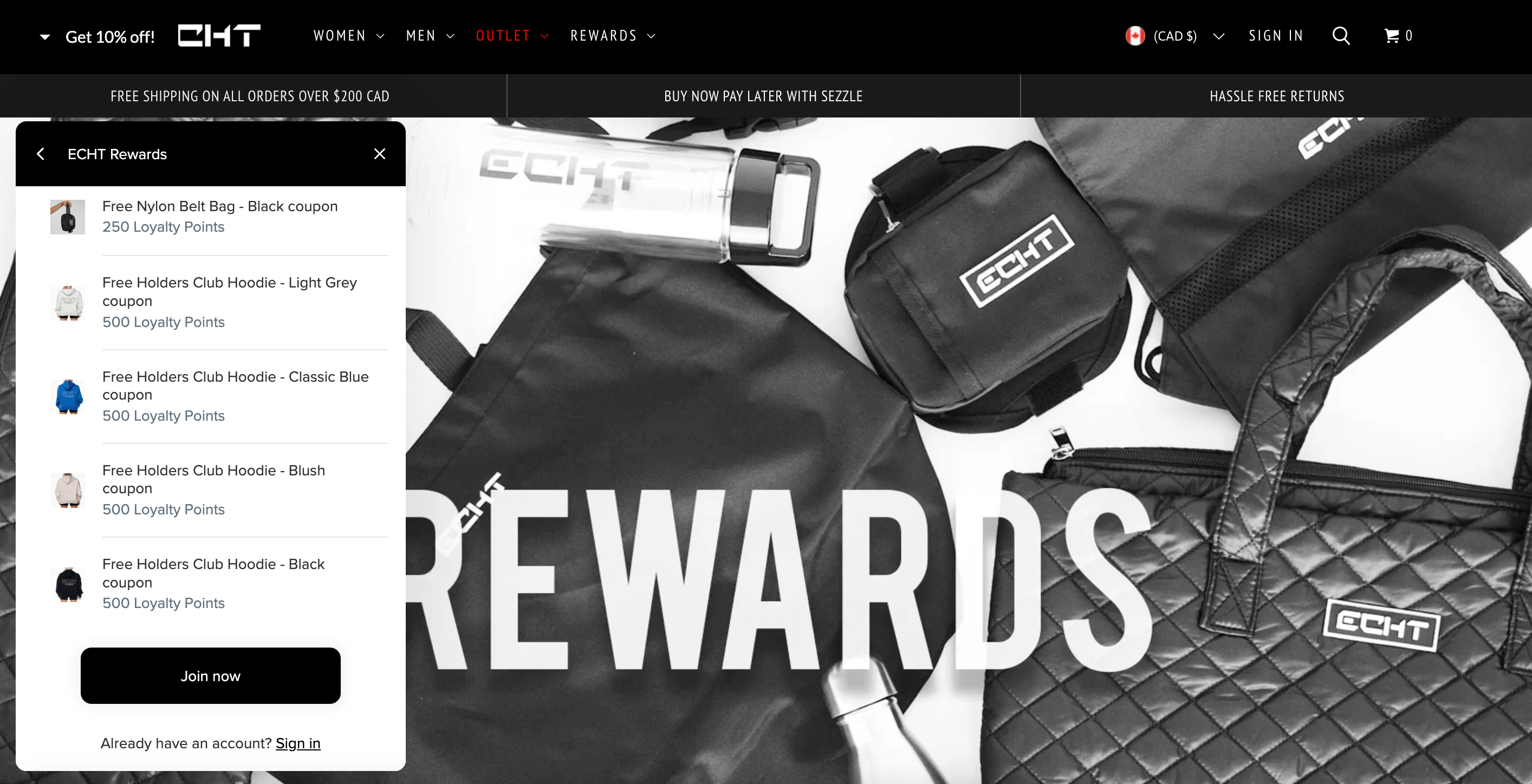
Low Redemption Rates: Customers often fail to redeem points, with industry averages around 20-30% redemption, leading to significant breakage where unredeemed points benefit issuers disproportionately.
-
Lack of Interoperability: Points are typically siloed within a single brand or limited partners, preventing use across diverse merchants unlike tokenized cross-platform assets.
-

Expiration Issues: Points frequently expire after set periods, frustrating customers and eroding trust, as seen in common 12-24 month policies.
-
Poor Transparency: Customers struggle to track balances, transactions, and value due to opaque systems, fostering disputes and dissatisfaction.
Unlocking Value with Blockchain Loyalty Tokens
Tokenized loyalty programs pivot this model by minting points as blockchain loyalty tokens or even NFT loyalty cards blockchain-based. Each token resides on an immutable ledger, verifiable by all parties. Customers earn crypto rewards e-commerce style during purchases, instantly accruing via smart contracts that settle in seconds, not days.
This shift introduces tradability: tokens function like digital assets, exchangeable on secondary markets or partner platforms. Interoperability shines here; standards like ERC-20 or ERC-721 enable cross-chain use, turning isolated points into a unified reward economy. Security bolsters with cryptographic proofs, slashing fraud risks that plague legacy systems.
Yet caution tempers enthusiasm. Volatility in underlying blockchains demands stablecoin pairings or hedging mechanisms, lessons drawn from my forex tenure. Retailers must audit smart contracts rigorously to avert exploits, prioritizing networks like Hedera for low fees and high throughput.

🏆 Tiered Loyalty Rewards
Bronze, Silver, Gold — each tier linked to your café’s token. The more tokens a customer holds, the more perks they unlock: free drinks, priority seating, or exclusive menu items. https://t.co/9TzS6H4okO

Start building your economy today → https://t.co/Ba1PsZmrdo
Engagement surges as gamification layers in: quests for bonus tokens, leaderboards for top holders. Data from early adopters shows 40% uplift in purchase frequency, per Hedera case studies. For risk-averse brands, this means measurable ROI without upending core operations.
Pioneering Case Studies in Tokenized Retail Loyalty
Real-world traction validates the approach. Singapore Airlines’ KrisPay exemplifies seamless extension of KrisFlyer miles into a blockchain wallet, spendable at merchants nationwide. Users convert miles to KrisPay tokens, redeemable for dining or retail, fostering everyday utility beyond flights.
Nike’s. Swoosh platform pushes boundaries with NFT loyalty cards blockchain-integrated. Customers collect digital sneakers via challenges, unlocking physical perks and resale rights. This blends Web3 exclusivity with tangible rewards, driving viral participation among sneaker enthusiasts.
Starbucks Odyssey, though short-lived from 2022 to 2024, offered poignant insights. Journey Stamps as tradable NFTs on Nifty Gateway rewarded interactive quests with merchandise access. Discontinuation underscores integration hurdles, yet its 18-month run proved gamified tokens boost retention. Learn more on how these dynamics play out at this dedicated resource.
These implementations highlight a pattern: success hinges on user-friendly wallets and clear redemption paths. By 2025, 12% of Fortune 500 retailers tested such systems, eyeing 30% adoption by 2026 amid consumer clamor for versatile rewards.
While these pioneers chart the path, tokenized loyalty programs for retail demand a balanced assessment of upsides against inherent complexities. Retailers eyeing blockchain loyalty tokens must weigh enhanced utility against deployment hurdles, ensuring programs align with robust risk frameworks.
Core Advantages Driving Adoption
Tokenization elevates customer engagement by transforming static points into dynamic, gamified assets. Customers chase crypto rewards e-commerce through challenges or referrals, mirroring successful NFT drops that spiked participation. Transparency via immutable ledgers fosters trust; every accrual and redemption logs publicly, curbing disputes that erode confidence in opaque systems.
Interoperability stands out as a game-changer for interoperable loyalty rewards. Tokens flow across partners seamlessly, unlike siloed points confined to one brand. A coffee chain’s token might redeem at partnered gyms or online marketplaces, amplifying perceived value and spend velocity. Early metrics from Hedera implementations reveal 35-50% higher redemption rates, directly correlating to revenue lifts.
Traditional vs. Tokenized Loyalty Programs: Key Metrics Comparison
| Metric | Traditional | Tokenized |
|---|---|---|
| Fraud Risk | High 🚨 | Low ✅ |
| Redemption Rate | Low 📉 | High 📈 |
| Interoperability | None ❌ | Full 🌐 |
| Settlement Time | Days ⏳ | Seconds ⚡ |
| Tradability | No 🚫 | Yes 💱 |
From a risk lens, these gains materialize without proportional exposure when paired with stable infrastructures. Brands avoid the pitfalls of volatile cryptos by pegging tokens to fiat equivalents, a strategy honed in forex stabilization tactics.
Risks and Safeguards in Blockchain Loyalty Tokens
No innovation lacks friction. Volatility, though mitigated, lingers if tokens tie to fluctuating chains; smart contract vulnerabilities invite exploits, as seen in DeFi incidents costing billions. Regulatory ambiguity clouds cross-border redemptions, while wallet adoption barriers sideline non-crypto natives.
In my 14 years managing bond and forex risks, the antidote lies in layered defenses. Opt for permissioned networks with proven uptime, conduct third-party audits pre-launch, and integrate KYC for high-value redemptions. Immutable ledgers deter fraud, but only if oracles feed accurate off-chain data. Starbucks’ Odyssey pivot highlighted UX pitfalls; overcomplicated interfaces drove churn, underscoring the need for intuitive mobile integrations.
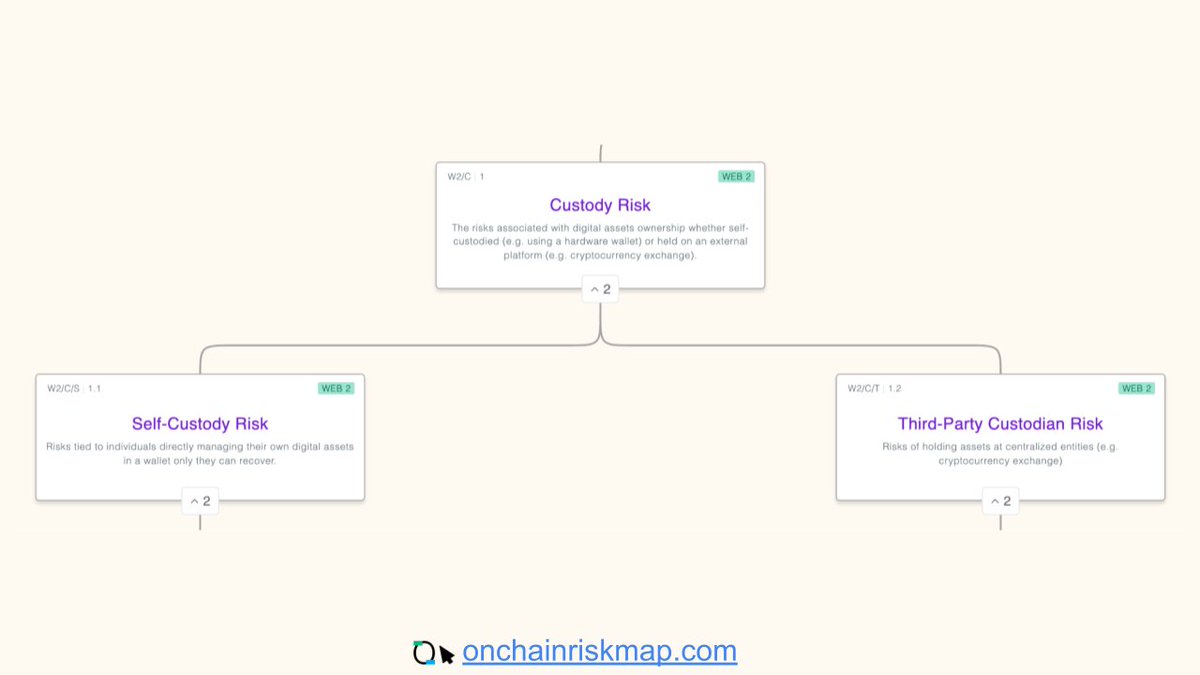

Users often approve transactions based on simplified wallet prompts.
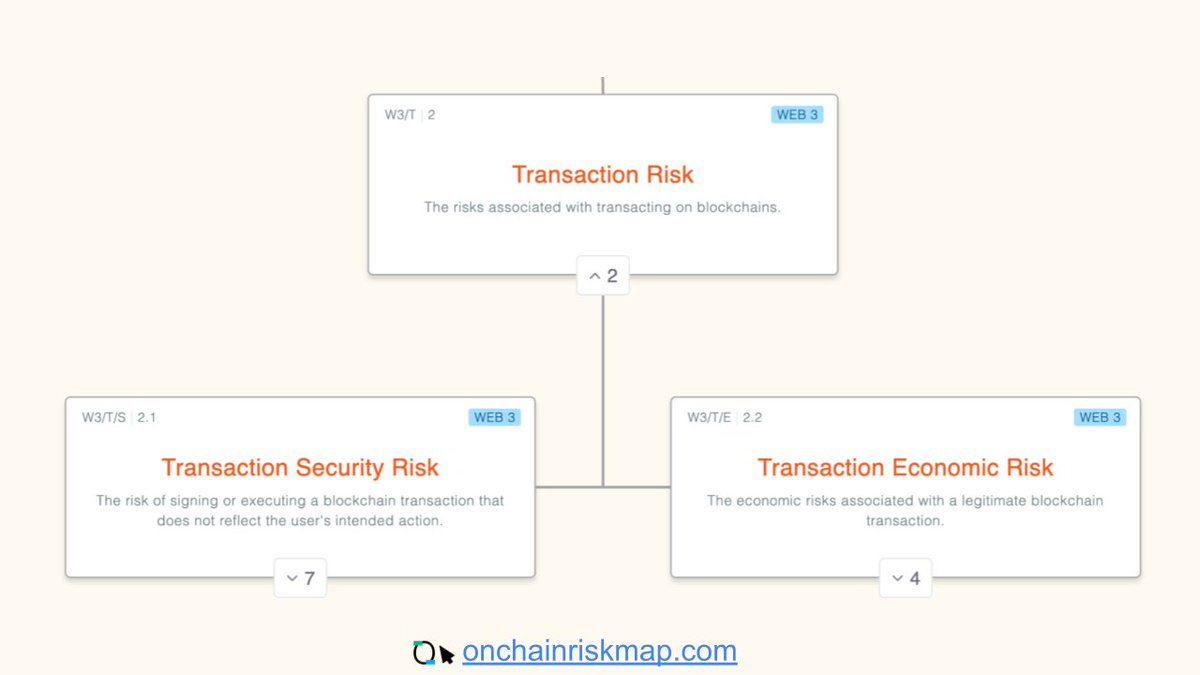
Execution mechanics can introduce security risk and economic extraction. https://t.co/sqrSHFeObP
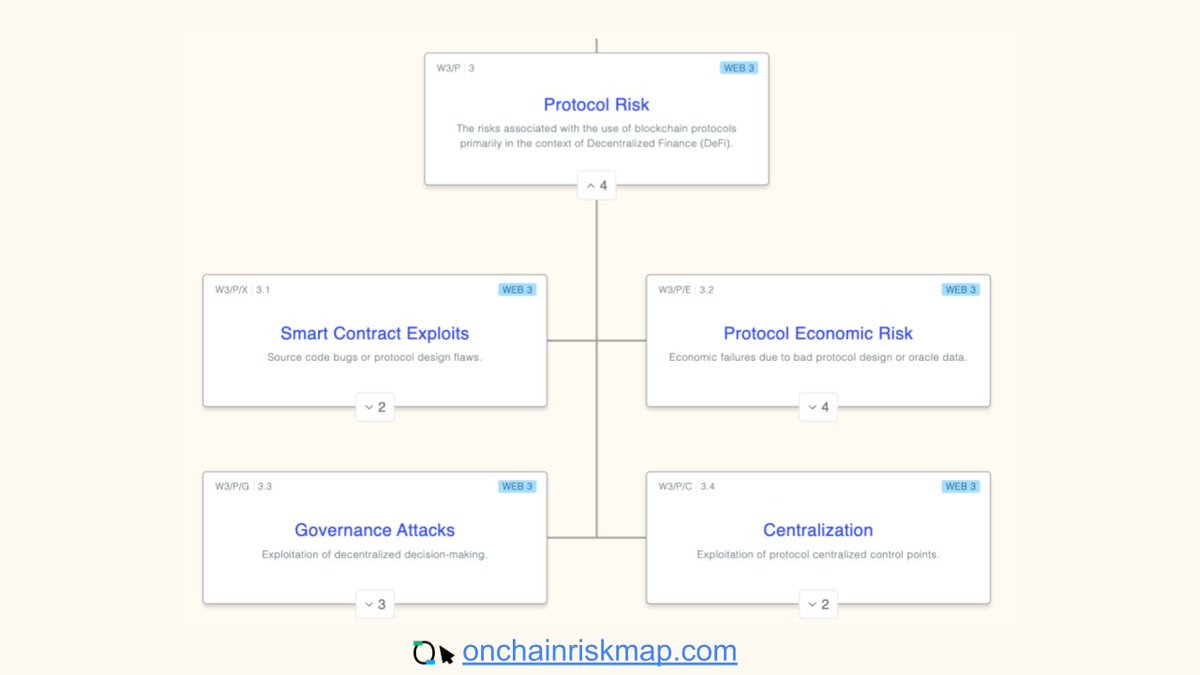
More than just code vulnerabilities, Protocol Risk includes oracle failures, liquidation breakdowns, governance attacks, and centralisation risk. https://t.co/ErOiTrZLDu
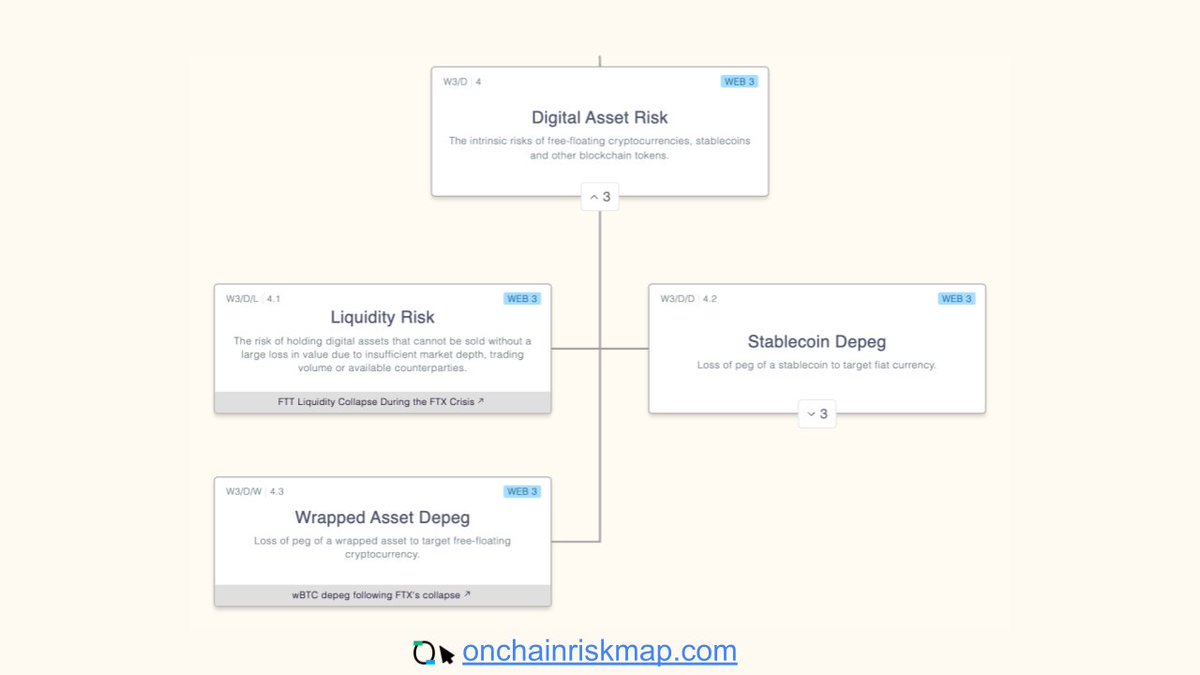
Liquidity constraints, stablecoin depegs, and wrapped asset depegs can propagate losses across protocols. https://t.co/PGS0OGa4YC
Slashing, validator penalties, liquid staking liquidity stress, and restaking dependency risk. https://t.co/09Sm6TiXik

Consensus failures, chain reorganisations, and majority control attacks.
Low probability, high impact events that affect the network itself. https://t.co/HsN82UagY7
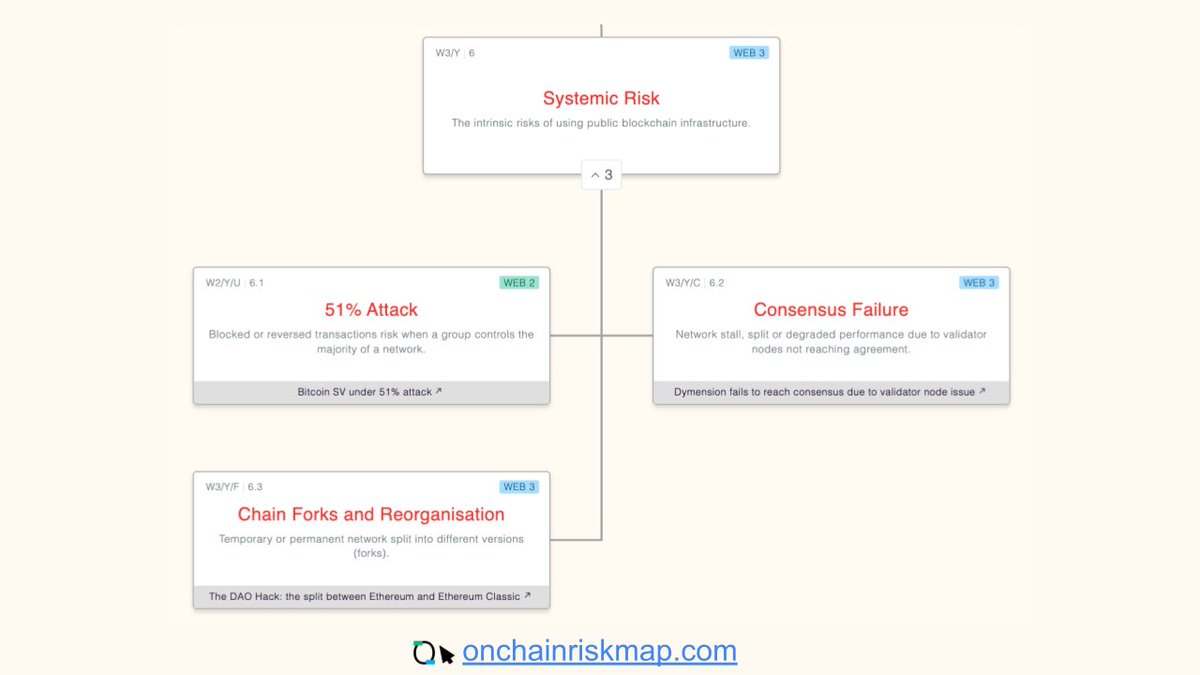
Explore the interactive framework and dive deeper into each category:
Projections for 2026 paint a maturing landscape: 30% Fortune 500 uptake, fueled by plug-and-play tools from platforms like Tokenized Loyalty Programs. Yet success favors the prepared; hasty rollouts risk reputational hits outweighing gains.
Charting Implementation for Retail Brands
Launching demands methodical steps. Begin with pilot cohorts on testnets, validating tokenomics like accrual rates and burn mechanisms to control supply. Partner with compliant wallets for seamless bridging, ensuring NFT loyalty cards blockchain appeal to collectors without alienating casual users.
Monetize secondary markets judiciously: a 2-5% royalty on trades funnels value back to issuers, sustaining program vitality. Track KPIs rigorously – engagement depth, token velocity, fraud incidents – adjusting via governance votes if DAO elements engage communities.
Small retailers find entry via white-label solutions, sidestepping dev overheads. Larger chains layer onto existing CRMs, syncing points to chains asynchronously for minimal disruption. This phased approach, rooted in risk staging, mirrors enterprise forex rollouts where incremental exposure builds resilience.
As Web3 matures, tokenized loyalty programs retail will normalize, blending crypto’s edge with retail’s scale. Brands prioritizing security and usability stand to capture loyalty in a fragmented market, turning everyday transactions into enduring asset ecosystems. The immutable ledger not only safeguards value but redefines incentives, positioning risk-managed Web3 as the enduring backbone of customer retention.