
Retroactive Rewards in Tokenized Loyalty from RaylsLabs Campaigns
In the evolving landscape of tokenized loyalty programs, retroactive rewards have emerged as a powerful mechanism for fostering genuine user engagement without the pitfalls of speculative frenzy. RaylsLabs, with its $RLS token trading at $0.8500 after a 6.25% 24-hour gain, exemplifies this trend through campaigns that reward past and ongoing participation post-Token Generation Event. This approach aligns incentives with verifiable contributions, mitigating sybil attacks via Proof-of-Humanity checks and compliance screening.

RaylsLabs’ strategy leverages blockchain’s immutability to distribute retroactive loyalty rewards, turning historical interactions into claimable $RLS assets. Launched in August 2025, the program has drawn significant traction, backed by $38 million in funding. Participants accumulate Rayls Points through social tasks, referrals, and NFT mints, positioning them for airdrops that reflect sustained involvement rather than one-off hype.
Mechanics of Retroactive Rewards in RaylsLabs Campaigns
At its core, retroactive rewards scan on-chain and off-chain activities to credit users fairly. For RaylsLabs, this means evaluating wallet connections, Galxe task completions, and community contributions from the program’s inception. Unlike prospective drops that favor early insiders, raylslabs social rewards extend eligibility to all verified users, old and new, ensuring broad distribution. This conservative design prioritizes long-term retention over viral spikes, a philosophy that resonates with my view on sustainable blockchain adoption.
RaylsLabs Loyalty Program: Activities and Points Earned
| Activities | Points Earned | Examples |
|---|---|---|
| Social Tasks | 10-50 RP | Twitter follows, retweets |
| Referrals | 100 RP per valid | Share unique link |
| NFT Mints | 200 RP | Qualifying collections |
| Galxe Quests | Variable | Educational modules |
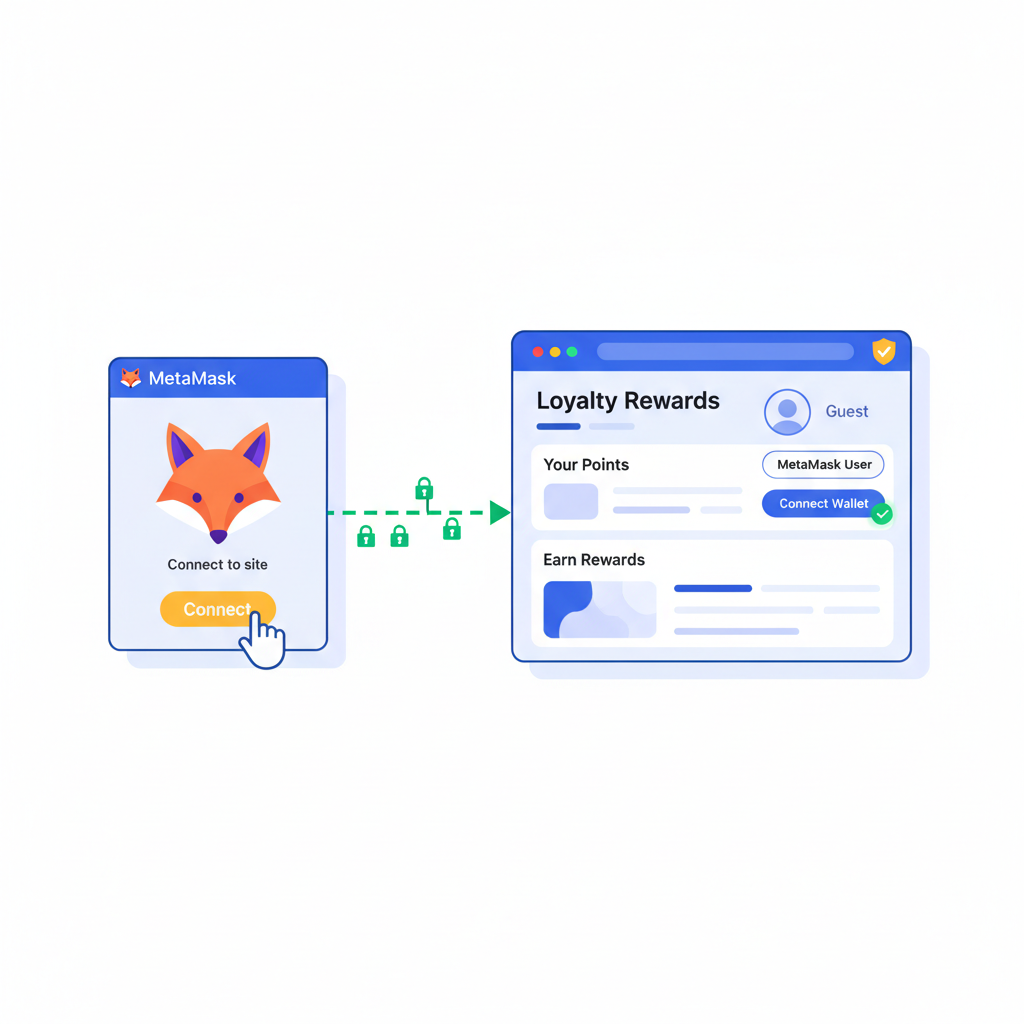
The dashboard on platforms like Fuul. xyz allows real-time tracking, blending transparency with usability. By requiring email or wallet sign-ins via OKX or MetaMask, RaylsLabs enforces authenticity, reducing fraud risks that plague many web3 loyalty campaigns.
Tokenized Retroactive Crypto: RaylsLabs’ Edge Over Competitors
What sets RaylsLabs apart is its native compliance on a scalable blockchain tailored for banks, incorporating quantum-safe features and governance controls. Partnerships, such as with Animoca Brands, amplify this by tokenizing real-world assets, enhancing $RLS liquidity. Retroactive distributions post-TGE convert points into tokens at $0.8500 valuation, rewarding loyalty without diluting early value through unchecked emissions.
Rayls is a scalable private and public blockchain for financial institutions with native compliance.
This model counters the dilution common in hype-driven airdrops. Analytically, with $RLS at $0.8500 and a 24-hour high of $0.9000, the token demonstrates resilience amid market volatility. Retroactive mechanics ensure points holders capture upside from network growth, fostering ecosystems where everyday actions yield compounding value.
Quantifying Impact: Points to $RLS Conversion Dynamics
Participants track progress via loyalty dashboards, claiming incentives tied to verified tasks. Sources like Bitget Wallet and CryptoRank outline steps: connect wallet, complete quests, request testnet gas. The emphasis on tokenized retroactive crypto means past engagements, like early alpha joins, qualify for multipliers. Conservatively, this builds defensible moats against copycats, as immutable ledgers prevent retroactive disputes.
RaylsLabs (RLS) Price Prediction 2027-2032
Projections based on current $0.85 price, loyalty program adoption, Animoca partnership, and market cycles
| Year | Minimum Price | Average Price | Maximum Price | Potential % Change (from 2026 Avg) |
|---|---|---|---|---|
| 2027 | $0.90 | $1.05 | $1.20 | +23.5% |
| 2028 | $1.10 | $1.35 | $1.60 | +58.8% |
| 2029 | $1.30 | $1.70 | $2.10 | +100% |
| 2030 | $1.50 | $2.20 | $3.00 | +158.8% |
| 2031 | $2.00 | $3.00 | $4.50 | +252.9% |
| 2032 | $2.50 | $4.00 | $7.00 | +370.6% |
Price Prediction Summary
RLS shows strong short-term potential from $0.85, reaching $1.20 max by 2027 amid loyalty rewards and airdrops. Medium-term growth to $3+ by 2030 driven by institutional adoption and partnerships, with bullish max of $7 by 2032 assuming favorable regulations and market cycles; bearish mins reflect competition and downturns.
Key Factors Affecting RaylsLabs Price
- Tokenized loyalty programs and retroactive airdrops boosting community engagement
- Animoca Brands partnership enhancing RWA liquidity and DeFi integration
- Scalable blockchain for banks with native compliance and quantum-safety
- Proof-of-Humanity verification ensuring genuine participation
- Broader crypto market cycles, regulatory clarity, and competition from similar protocols
- Technology upgrades and TradFi adoption trends
Disclaimer: Cryptocurrency price predictions are speculative and based on current market analysis.
Actual prices may vary significantly due to market volatility, regulatory changes, and other factors.
Always do your own research before making investment decisions.
Funding rounds totaling $38 million underscore investor confidence, with campaigns live across X, Facebook, and Galxe. As $RLS holds $0.8500, retroactive rewards position RaylsLabs to capture institutional interest, bridging TradFi and DeFi through compliant, rewarding loyalty structures.
Retroactive loyalty rewards shine brightest when they convert verifiable history into tangible value, and RaylsLabs executes this with precision. Early participants who joined during the alpha phase now see their efforts compounded through multipliers, a feature that rewards persistence over predation. This structure appeals to my analytical bent: it favors quality engagement, as seen in the program’s Proof-of-Humanity mandates, which filter out bots and inflate participation metrics.
Guide to Joining RaylsLabs Loyalty Program and Earning Points
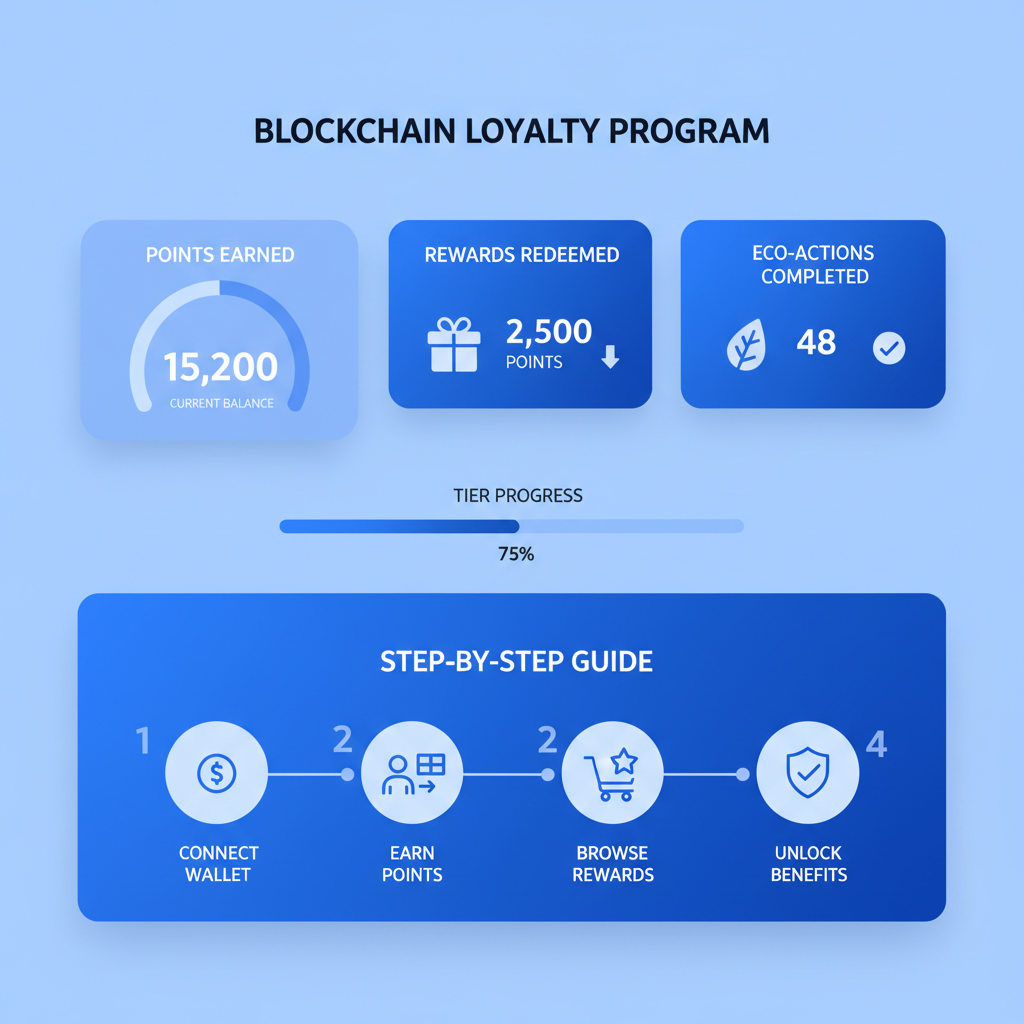

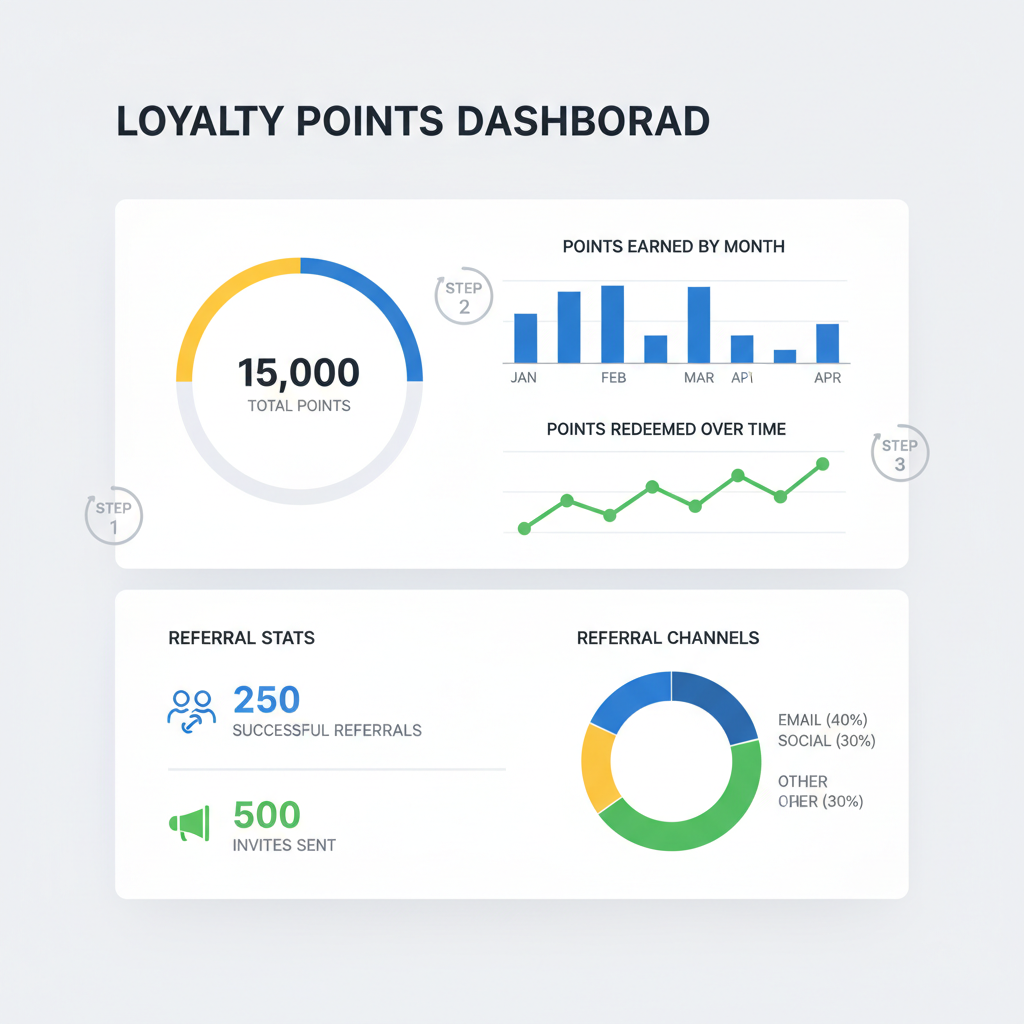

Once enrolled, users dive into a ecosystem where raylslabs social rewards blend seamlessly with on-chain actions. Social follows and retweets net 10-50 Rayls Points, while referrals yield 100 per valid signup, scaling with network effects. NFT mints from qualifying collections add heft at 200 points each, tying loyalty to appreciating digital assets. Galxe quests, often educational, introduce variable rewards that build knowledge alongside holdings. This tiered system discourages gaming, as compliance screens retroactively validate contributions post-TGE.
Risks and Mitigation in Web3 Loyalty Campaigns
No blockchain initiative escapes volatility, and RaylsLabs’ model is no exception. With $RLS steady at $0.8500 after touching a 24-hour low of $0.8000, token value hinges on adoption velocity. Retroactive drops risk front-running if points leak prematurely, yet RaylsLabs counters this via gated dashboards and phased claims. Quantum-safe architecture further insulates against future threats, a prudent nod to longevity that traditional loyalty schemes ignore. In my 18 years analyzing tokenized assets, I’ve seen hype erode value; here, conservative emissions tied to proven loyalty preserve $RLS integrity.
Early Alpha – The Rayls Loyalty Program is LIVE for all old and new users, with potential airdrop rewards.
Critically, the Animoca Brands partnership elevates this beyond retail gimmicks. By tokenizing real-world assets, RaylsLabs unlocks liquidity for loyalty points, letting users trade or redeem $RLS across ecosystems. Imagine banks integrating these rewards: a customer’s purchase history morphs into interoperable tokens, redeemable globally without fraud. This bridges TradFi silos with DeFi openness, driving retention rates that outpace conventional programs by orders of magnitude.
Sustainable Growth: Lessons for Tokenized Loyalty Strategies
RaylsLabs’ playbook offers blueprints for e-commerce and retail brands eyeing web3 loyalty campaigns. Retroactive rewards demand robust oracles for activity attestation, but yield tamper-proof ledgers that combat disputes. Funding at $38 million signals viability, yet success pivots on governance: over-rewarding dilutes tokens, under-rewarding stifles uptake. At $0.8500, $RLS reflects balanced incentives, with 6.25% daily gains underscoring market approval.
From a fundamental standpoint, these programs thrive when aligned with utility. RaylsLabs enforces this via native compliance, appealing to institutions wary of regulatory gray zones. Participants in pre-TGE quests position for post-distribution windfalls, but true winners are those embedding loyalty into daily workflows. Platforms like Fuul. xyz streamline this, offering referral dashboards that gamify growth without excess speculation.
The quantum-safe backbone positions Rayls for endurance, as tokenized retroactive crypto evolves. Businesses adopting similar mechanics sidestep fraud, boost retention, and tap crypto economies. RaylsLabs proves sustainable growth trumps fleeting pumps: points earned today compound tomorrow, forging ecosystems where loyalty pays dividends indefinitely.
6-Month Price Performance: RaylsLabs (RLS) vs. Loyalty Token Competitors
Comparison of current prices, 6 months ago prices, and 6-month changes for RLS and similar loyalty-focused tokens amid tokenized loyalty campaigns
| Asset | Current Price | 6 Months Ago | Price Change |
|---|---|---|---|
| RaylsLabs (RLS) | $0.007011 | $0.0133 | -47.1% |
| Chiliz (CHZ) | $0.0450 | $0.0500 | -10.0% |
| Rally (RLY) | $0.000037 | $0.000050 | -25.7% |
| Galxe (GAL) | $1.23 | $1.50 | -18.0% |
| Bitcoin (BTC) | $76,338.00 | $65,000.00 | +17.4% |
| Ethereum (ETH) | $2,270.47 | $3,800.00 | -40.3% |
Analysis Summary
Over the past six months, RaylsLabs (RLS) has declined sharply by 47.1%, underperforming Bitcoin’s +17.4% gain and lagging behind loyalty peers like Chiliz (-10.0%) and Galxe (-18.0%), reflecting broader altcoin weakness amid market volatility.
Key Insights
- RaylsLabs (RLS) experienced the steepest decline at -47.1%, worse than Ethereum’s -40.3%.
- Bitcoin (BTC) stands out with a +17.4% increase, bucking the altcoin trend.
- Chiliz (CHZ) showed relative resilience among loyalty tokens with only a -10.0% drop.
- Rally (RLY) and Galxe (GAL) declined by -25.7% and -18.0%, respectively.
- Overall, loyalty tokens faced downturns, aligning with regulatory and macro pressures.
Data sourced exclusively from provided real-time market references (CoinMarketCap, CoinGecko, CoinDesk) as of 2026-02-04T05:09:47Z. 6-month changes calculated from prices approximately 6 months prior (e.g., 2025-08-08 for RLS); percentages formatted as provided.
Data Sources:
- Main Asset: https://coinmarketcap.com/currencies/rayls/
- Bitcoin: https://www.coindesk.com/markets/2025/07/21/solana-takes-the-altcoin-rally-baton-as-eth-xrp-btc-stall
- Ethereum: https://www.coindesk.com/daybook-us/2025/08/11/ether-s-rally-pulls-bitcoin-along-crypto-daybook-americas
- Chiliz: https://www.coingecko.com/en/coins/chiliz/historical_data
- Rally: https://www.coingecko.com/en/coins/rally/historical_data
- Galxe: https://www.coingecko.com/en/coins/galxe/historical_data
- BitTorrent Token: https://www.coingecko.com/en/coins/bittorrent/historical_data
- OMG Network: https://www.coingecko.com/en/coins/omg-network/historical_data
Disclaimer: Cryptocurrency prices are highly volatile and subject to market fluctuations. The data presented is for informational purposes only and should not be considered as investment advice. Always do your own research before making investment decisions.