
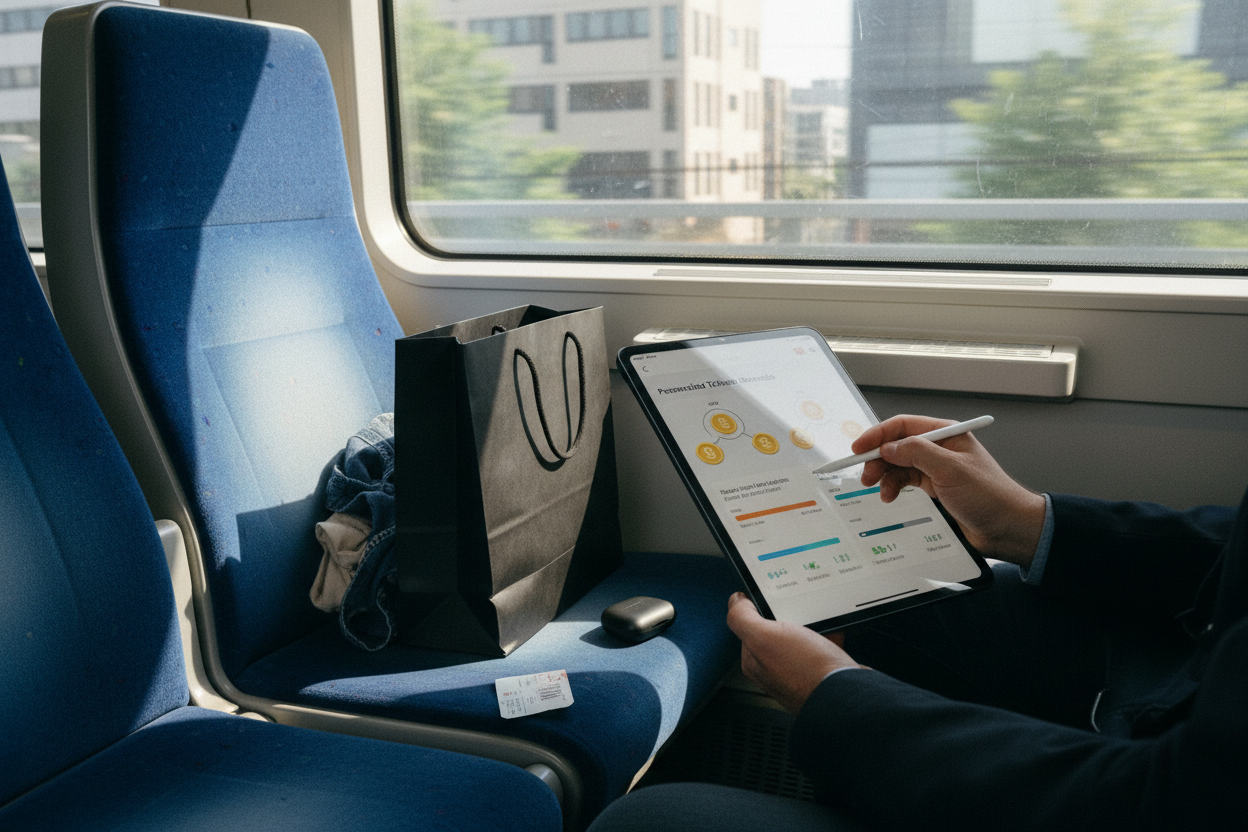
In the fast-evolving world of retail loyalty 2026, a seismic shift is underway: personalized tokenized rewards are eclipsing rigid transactional loyalty programs. Customers, weary of generic points that expire unused, now demand rewards that feel tailor-made, powered by blockchain's unassailable transparency and AI's predictive prowess. This transition isn't mere hype; it's a data-backed imperative. As of February 2026, industry reports highlight how tokenization infuses loyalty with real-time personalization, turning one-off purchases into ongoing value streams that customers actively manage and trade.
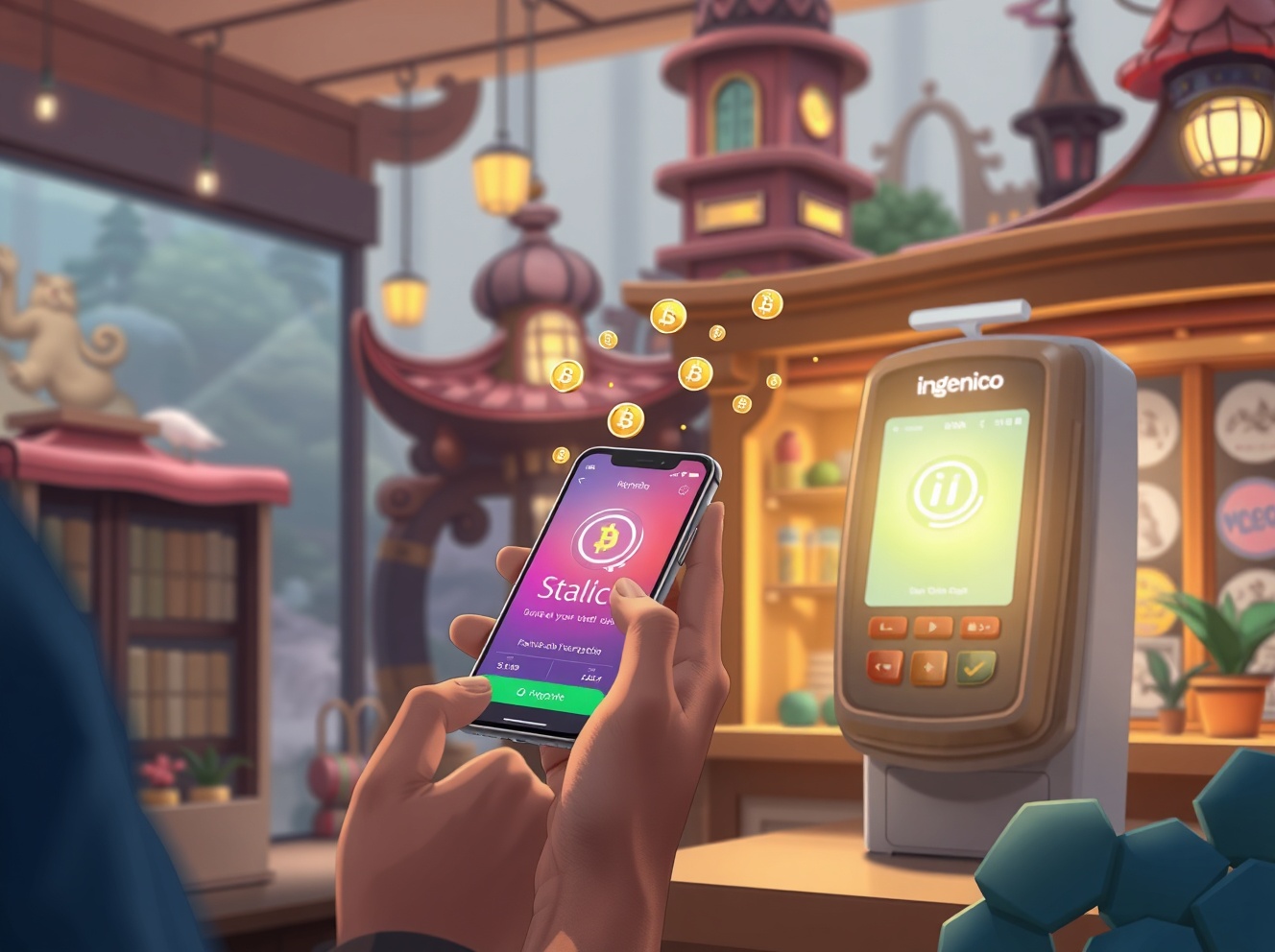
Traditional programs, reliant on static point accumulation, suffer from abysmal redemption rates-often below 20%-and fragmentation across brands. Blockchain changes this calculus by enabling blockchain loyalty personalization, where digital tokens encode customer preferences, purchase history, and even emotional triggers. These aren't just points; they're interoperable assets redeemable across ecosystems, fostering what I call continuous loyalty programs that adapt dynamically to user behavior.
Why Transactional Loyalty is Fading Fast
Consider the fundamentals: transactional models reward volume over value. A customer buys coffee daily, racks up points, but rarely redeems them because the effort outweighs the payoff. Deloitte's analysis underscores this, noting blockchain's role in slashing costs and boosting efficiencies in loyalty programs. By 2026, retailers like those profiled in Retail TouchPoints are leveraging blockchain for cross-sector partnerships, issuing collectible AR cards and game-integrated rewards that surprise and delight.
Challenges abound in legacy systems-fraud, breakage (unredeemed points costing billions), and poor data portability. PYMNTS reports from mid-2025, now validated in early 2026 implementations, show AI-token hybrids automating personalization. Tokens carry permissioned data, securing transactions while unlocking hyper-relevant offers. Advance Auto, Just Salads, and Planet 13's new programs, as noted in The Wise Marketer, exemplify this pivot, blending crypto rewards with everyday retail.
Tokenization's Core Mechanics in Retail Rewards
At its heart, personalized tokenized rewards digitize loyalty into blockchain-native assets. Imagine earning a token for a purchase that not only grants discounts but evolves based on your profile-gaining value through staking or trading on secondary markets. Enable3's 2026 guide details how these programs function: tamper-proof ledgers ensure instant settlements, eliminating intermediaries that plague traditional setups.
Max Loyalty on Medium pinpoints three levers: transparency for trust, instantaneity for gratification, and interoperability for ecosystem play. Novus Loyalty echoes this, promising safer experiences via blockchain efficiencies. For retailers, this means unprecedented retention; AWS Builder Center trends forecast AI-blockchain fusion in loyalty apps, with personalization feeling intuitive per Happy Rewards.
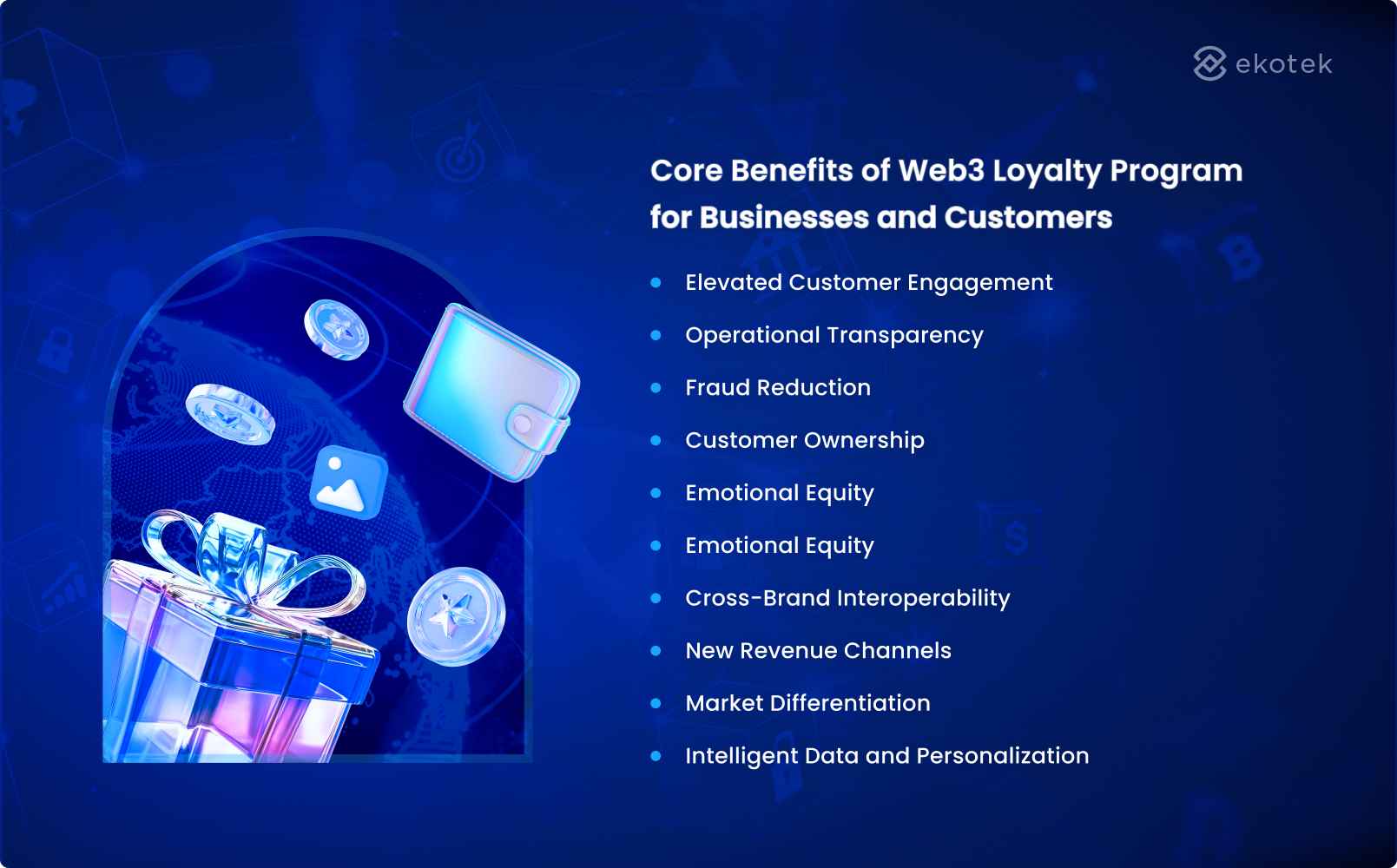
Key Blockchain Loyalty Advantages
- Transparency: Blockchain's immutable ledger allows customers to verify every reward earned and redeemed in real-time, eliminating 'black box' programs. Source: Medium · Max Loyalty
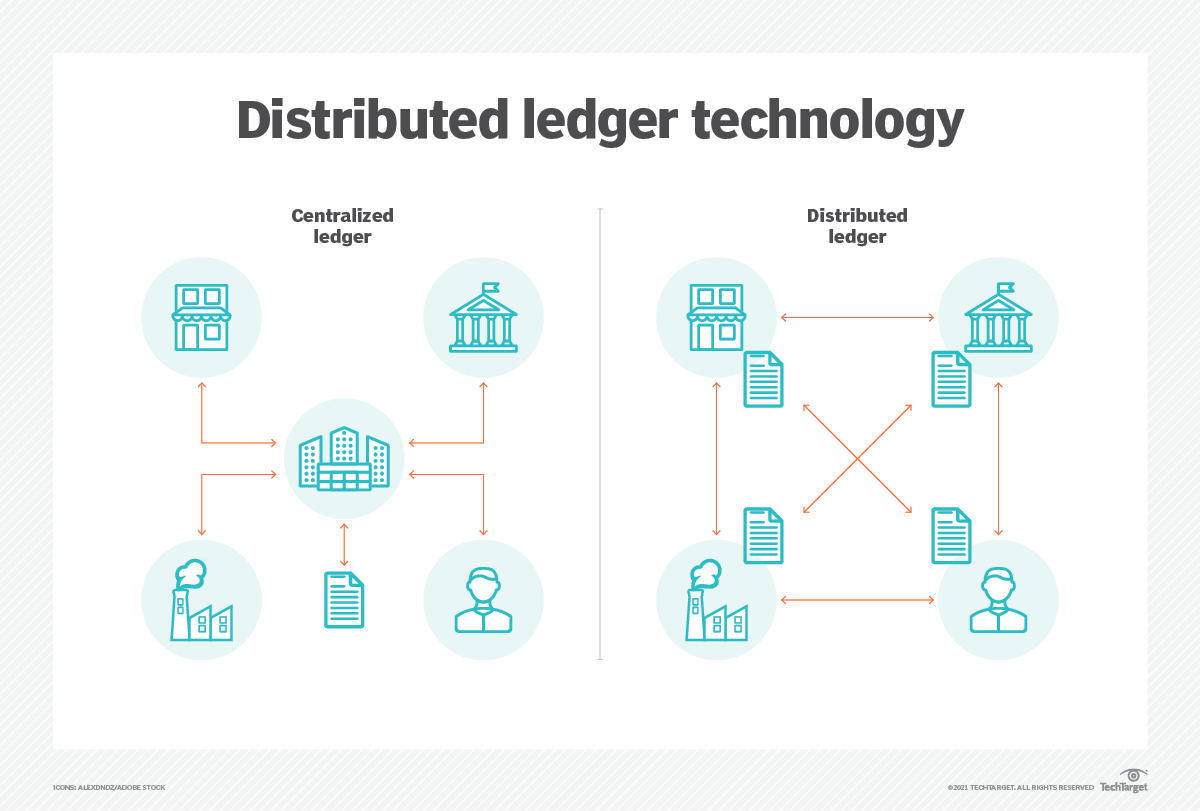
- Interoperability: Tokens seamlessly transfer across platforms and wallets, enabling fluid reward ecosystems without proprietary silos. Source: Deloitte
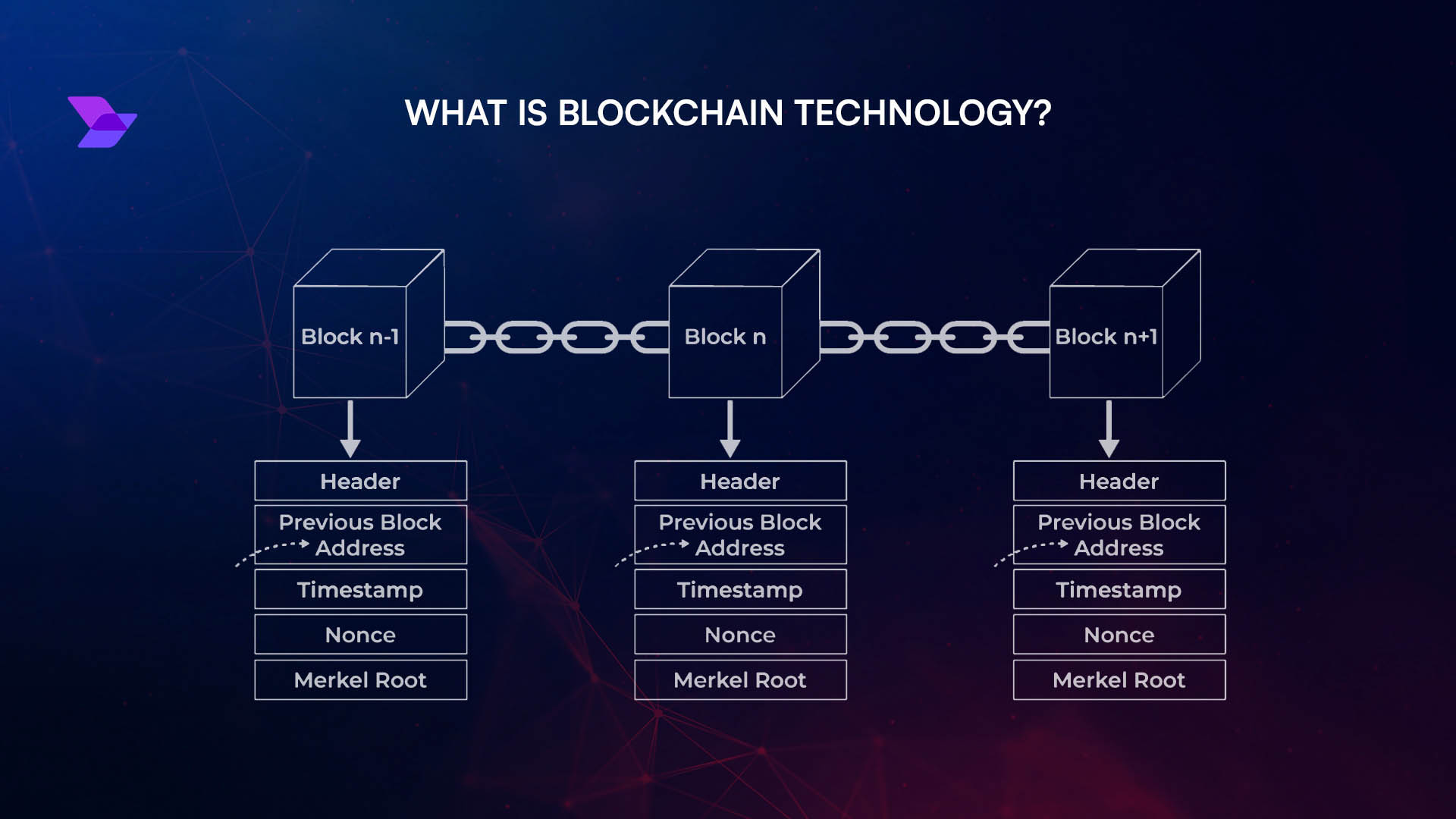
- Fraud Resistance: Decentralized verification and cryptography prevent double-spending or counterfeiting, ensuring secure loyalty assets. Source: AWS Builder Center

- AI-Driven Adaptation: AI analyzes on-chain data for hyper-personalized rewards that evolve with customer behavior. Source: IDC FutureScape
- Cross-Brand Redeemability: Tokens redeemable across partner networks, expanding value beyond single retailers. Source: Retail TouchPoints
AI Amplifies Tokenized Rewards into Intelligent Experiences
AI isn't a sidekick; it's the brain. IDC FutureScape's January 2026 outlook reveals how data analytics deliver bespoke rewards, from VIP event access to predictive product drops. Brandmovers argues points are obsolete; emotional loyalty via experiences trumps them. Trifft Loyalty's collaborative pooling-friends combining tokens for group perks-adds social stickiness.
Blockchain App Factory's hospitality-retail cases show custom tokens enabling this. Customers trade surplus rewards peer-to-peer, reducing waste. Access Development's trends post-2025 learnings emphasize instant value and AI engagement, positioning intelligent crypto rewards as 2026's differentiator. Retailers ignoring this risk commoditization in a Web3-native market.
Early adopters report 30-50% uplift in engagement, per aggregated sources. Yet success hinges on disciplined implementation: start with pilot tokens tied to high-margin categories, scale via partnerships. For deeper insights on blockchain's transformative power, explore this expert analysis.
Disciplined execution demands a roadmap that marries technology with customer psychology. Retailers must first audit existing programs, identifying breakage hotspots and personalization gaps. Then, layer in tokenomics: design tokens with utility beyond discounts, such as governance rights in brand DAOs or access to exclusive metaverse events. This elevates continuous loyalty programs from reactive to proactive engagement engines.
Case Studies: Retailers Leading the Tokenized Charge
Planet 13's cannabis retail tokenized program, launched in early 2026, exemplifies the shift. Customers earn NFT-linked tokens for purchases, redeemable for strain-specific experiences or traded for partner perks in wellness ecosystems. The Wise Marketer reports redemption rates soaring past 60%, dwarfing industry averages. Similarly, Advance Auto integrates blockchain tokens with auto-parts loyalty, allowing staking for service discounts or swapping with tire brands. Just Salads pools tokens collaboratively, per Trifft's model, where groups unlock farm-to-table events.
These aren't anomalies. Brandmovers details how 2026 strategies sidestep points fatigue via emotional hooks-VIP passes to product launches or AR treasure hunts. Blockchain App Factory's retail cases reveal custom tokens bridging hospitality, where hotel stays earn retail credits, fostering seamless ecosystems. Deloitte's blueprint for blockchain loyalty underscores cost reductions up to 40% through eliminated intermediaries, a boon for margin-squeezed grocers and fashion houses alike.
Quantifying impact, AWS trends show AI-blockchain apps retaining 45% more customers via intuitive personalization. Happy Rewards forecasts software evolving to predict lapses, auto-issuing recovery tokens. Access Development's post-2025 analysis confirms instant value as the killer app, with collaborative and experiential rewards defining winners.
Traditional vs Tokenized Loyalty Programs
| Metric | Traditional | Tokenized |
|---|---|---|
| Redemption Rate | <20% ❌ | >60% ✅ |
| Cost per Reward | High breakage 💸 | Low via trading 💰 |
| Engagement | Static points 📊 | AI-personalized experiences 🤖✨ |
| Fraud Risk | High 🔓 | Blockchain-secured 🔒 |
| Portability | Brand-locked 🏪 | Cross-ecosystem 🌐 |
This table crystallizes the pivot's rationale. Tokenized models reclaim billions in dormant points, channeling them into liquid assets customers control. Fraud evaporates under immutable ledgers, per Novus Loyalty, while Retail TouchPoints highlights cross-sector surprises like AR cards redeemable in gaming realms.
Your Step-by-Step Path to Tokenized Loyalty Dominance
Transitioning isn't daunting if structured. Begin with customer data mapping, ensuring compliance via permissioned tokens. Pilot on Ethereum Layer 2s for low fees, then expand to multi-chain for interoperability. Monitor via on-chain analytics, iterating with AI feedback loops.
5 Steps to Launch Personalized Tokenized Rewards in Retail 2026

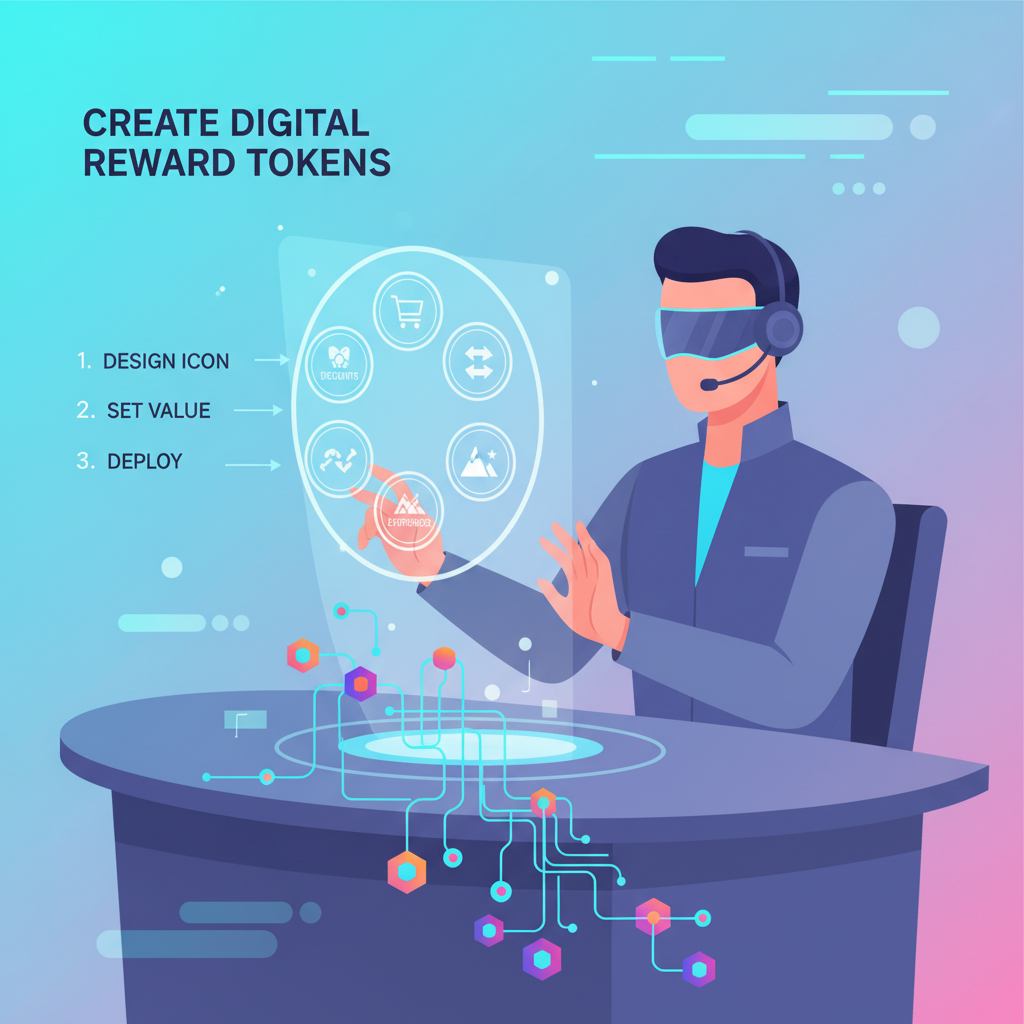
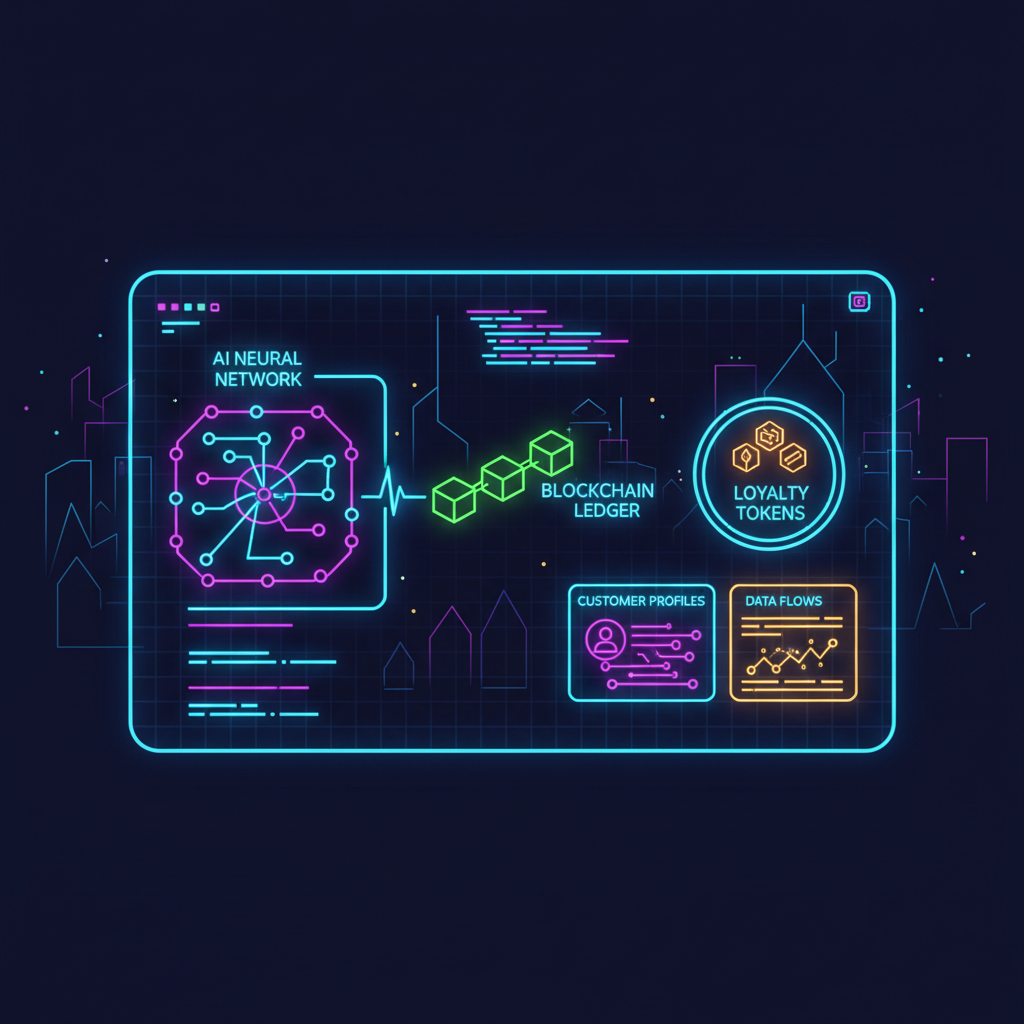


Enable3's ultimate guide aligns here, stressing real-world applications from tamper-proof issuance to secondary markets. I advise starting small-high-value niches like luxury goods yield quickest ROI, validating assumptions before full rollout.
Top 2026 Loyalty Trends
- AI Predictive Rewards: AI analyzes customer data for proactive, personalized tokenized rewards, boosting engagement as per IDC FutureScape and PYMNTS reports on agentic AI integration.

- Collaborative Token Pooling: Customers pool tokens with friends for shared rewards, enhancing social engagement per Trifft Loyalty's 2026 strategies.
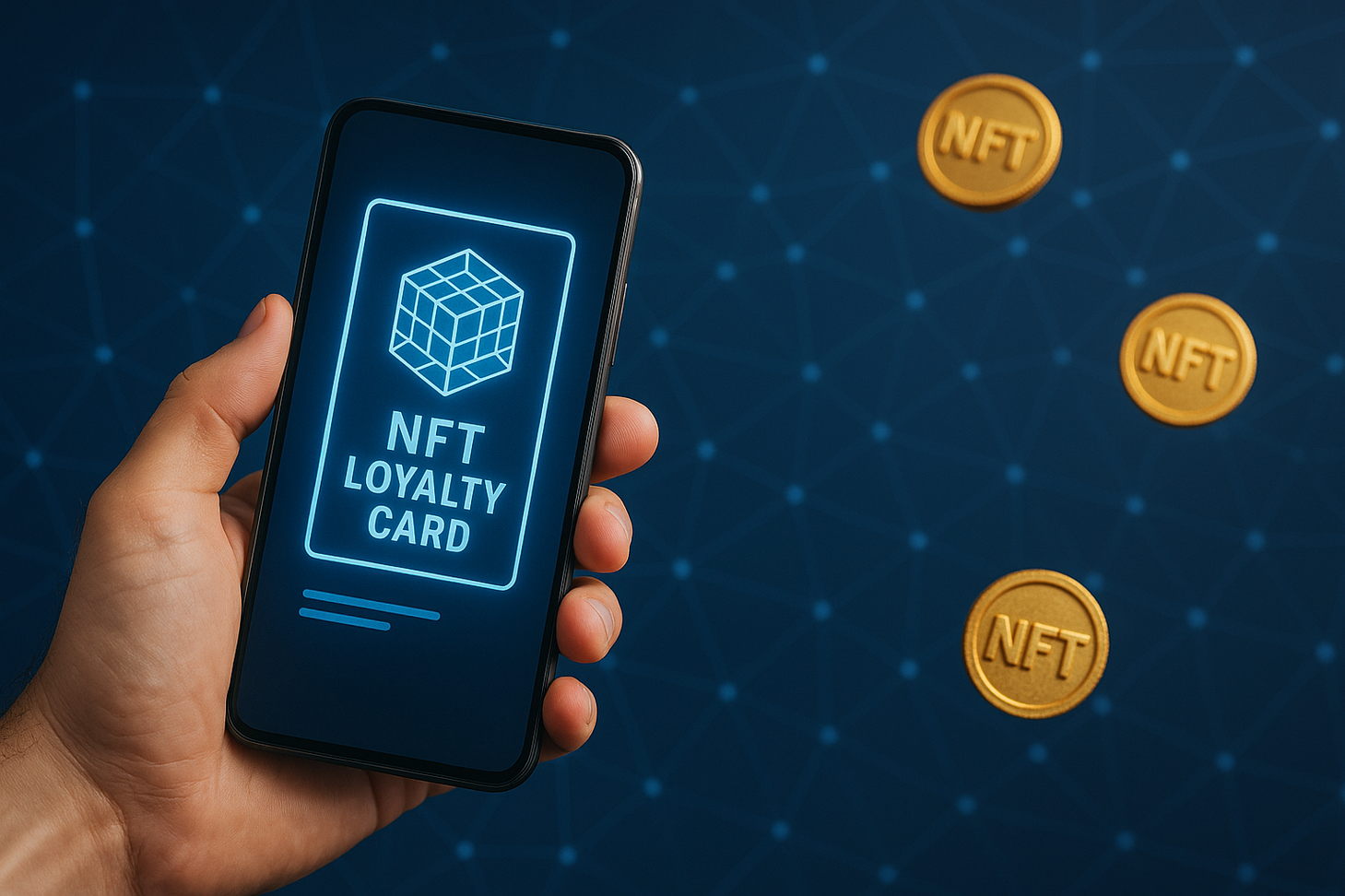
- NFT Experiential Perks: NFTs unlock exclusive events and VIP access, shifting to emotional loyalty as highlighted by Brandmovers and Retail TouchPoints.
- Multi-Brand Interoperability: Blockchain enables seamless token use across retailers and sectors, per Deloitte and Blockchain App Factory insights.
- On-Chain Emotional Loyalty Metrics: Blockchain tracks sentiment and experiences transparently, fostering deeper connections via Novus Loyalty and Enable3 platforms.
Looking ahead, retail loyalty 2026 hinges on this fusion. Retailers embracing personalized tokenized rewards won't just retain customers; they'll cultivate communities trading brand affinity as assets. Those clinging to transactional relics face erosion as Web3 natives demand more. Tokenized Loyalty Programs equips you with tools, guides, and success blueprints to lead this revolution, turning loyalty into enduring value creation.

No comments yet. Be the first to share your thoughts!